
Japanese private ispace spacecraft Hakuto-R reached the lunar surface, but failed to make contact after landing. Based on the speed and altitude indicators, which were demonstrated during landing, it can be assumed that the aircraft reached the surface with excessive speed, which could have crashed.
“We received the signal until the very last moment before landing,” an ispace representative said on the broadcast, promising to report on the results of the study of the current situation.
The company’s founder, Takeshi Hakamada, in turn added that the spacecraft would not have managed to land on the lunar surface.
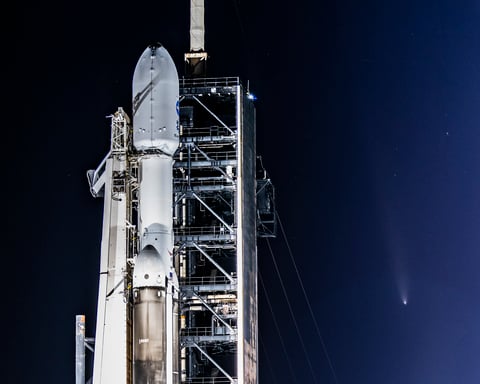
Billionaire Elon Musk’s SpaceX Falcon 9 rocket launched Japanese private company ispace’s lander to the moon in December 2022. Lander is the first private spacecraft of several missions to land on the moon in 2023. Previously, only satellites Soviet, American and Chinese could successfully land on the earth satellite. The main task of the Japanese lander was to search for water at the landing site and test technologies for future missions to the moon.
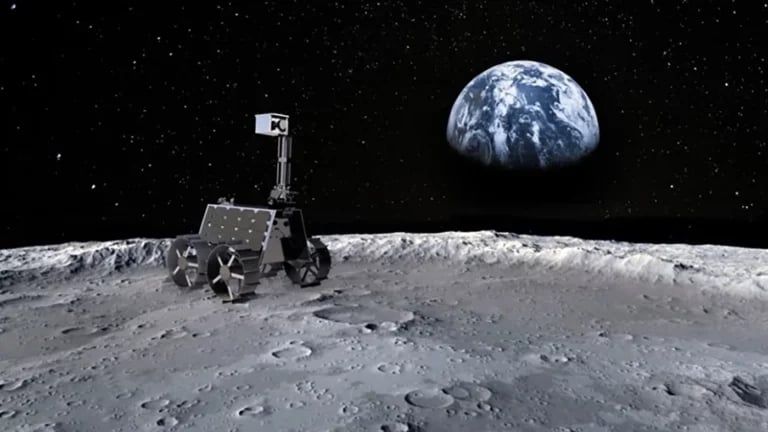
The Japanese rover has delivered other vehicles to the Moon for third-party customers, including the four-wheeled Rashid rover sent by the United Arab Emirates.
The Rashid rover is half a meter long and weighs only 10 kg, less than a tenth of the mass of the Chinese Yutu-2 rover, which is currently exploring the far side of the Moon. “Rashid” will work on a lunar day (14 Earth days), artificial intelligence algorithms will be used to control it, which themselves will find interesting features of the relief. On board are four Langmuir probes, devices that will measure the temperature and density of charged particles that cause dust to move across the lunar surface.
Read the Latest Ukraine War News on The Eastern Herald.