
In a landmark event that could reshape the contours of corporate compensation and billionaire wealth, Tesla shareholders have approved an unprecedented pay package for CEO Elon Musk valued at a staggering $8.78 billion. The vote, held on November 6, 2025, at Tesla’s annual meeting in Austin, Texas, marks a rare moment in corporate history, conferring upon Musk a compensation plan that, if Tesla hits its aggressive market capitalization and operational goals, could propel him to become the world’s first trillionaire. This sweeping proposal ties Musk’s pay to an ambitious timeline of transformative milestones that extend beyond electric vehicles into artificial intelligence, robotaxis, humanoid robotics, and the next frontier of technological innovation.
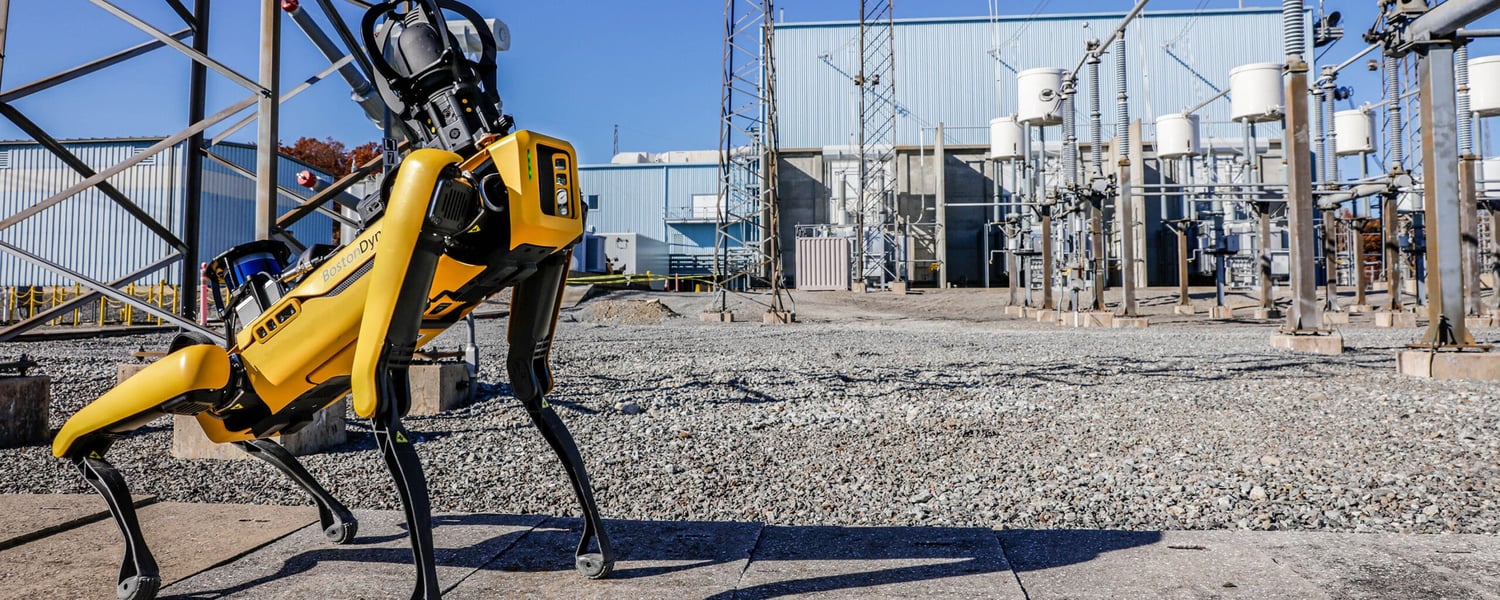
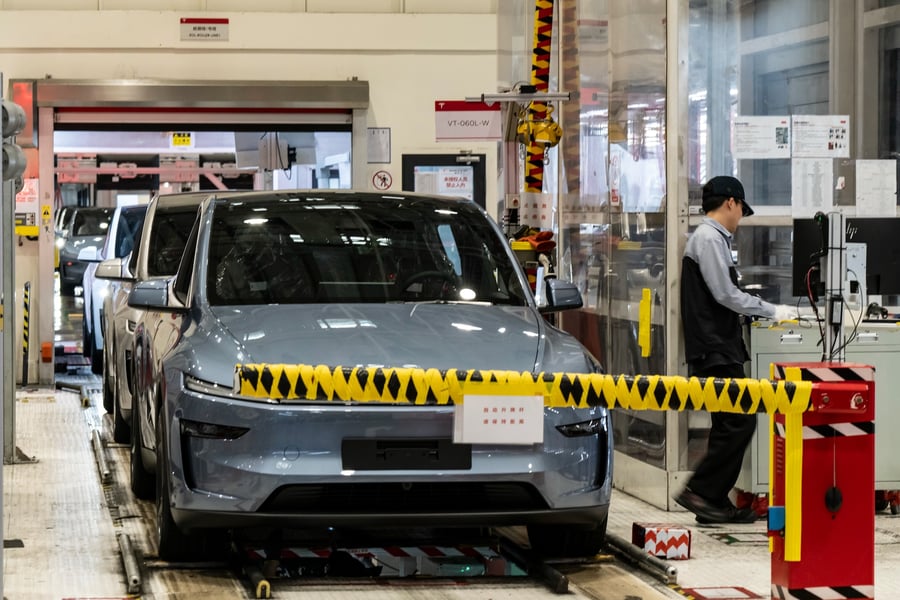
The approved $8.78 billion Tesla CEO compensation is structured predominantly as a stock option grant with tranches unlocking only if Tesla reaches multiple benchmarks over the next decade. Key among these are achieving a market valuation of $8.5 trillion, nearly six times its market cap today, and delivering 20 million vehicles annually, alongside opening new business verticals like a robotaxi network and AI-driven consumer products. The package also incentivizes milestones like launch of Tesla’s humanoid robot and expansion into the AI sector, highlighting Musk’s pivot from traditional automaking to a broader tech titan vision.
Shareholders cast their votes in the wake of intense scrutiny, a public debate over excessive CEO pay, and concerns about wealth concentration in the era of growing inequality. Yet, Tesla’s board offered a clear message: Musk’s vision and leadership are indispensable to the company’s future. Proxy advisers who typically challenge outsized executive pay packages took a cautious stance, recognizing Musk’s instrumental role in Tesla’s rise as an industry disruptor. Nonetheless, some large shareholders and activists voiced apprehension over the scale of the package and the risks associated with such concentrated rewards tied to aggressive targets. For example, opposition from the Norway sovereign wealth fund highlighted concerns shared by institutional investors.
This pay arrangement crystallizes an evolving corporate landscape where performance-based compensation for visionary founders is increasingly expansive, reflecting the unprecedented growth potential Musk has engineered in Tesla. However, it also raises pivotal questions on governance and fairness, especially as Tesla’s stock recently grappled with volatility and its sales growth showed signs of deceleration amid a shifting automotive market landscape, including impacts from Tesla sales and federal tax credit changes.
The compensation vote comes amid mounting pressure on Tesla to maintain its competitive edge in electric vehicles, AI, and autonomous technologies, sectors defined by rapid innovation and fierce competition. Musk’s compensation is being viewed through a dual lens, both a reward for transformative leadership and a high-stakes bet on the company’s future. Failure to meet these ambitious goals would mean Musk forfeits much of the package, aligning shareholder interests with his personal fortune in an unprecedented gamble. The details of the Tesla shareholder proxy statement provide transparency about the voting process and milestones.
Industry analysts note that while $8.78 billion is an eye-popping figure, the sheer scale of Tesla’s ambitions and Musk’s track record provide the backdrop for understanding the package. Tesla achieved a market valuation surpassing $1.4 trillion in recent years and revolutionized the electric vehicle market under Musk’s tenure, but now aims far beyond cars, venturing into AI and robotics with an eye to reshape multiple sectors globally. Analysts closely watch Tesla’s bets on robotics and autonomous mobility as detailed in Bloomberg’s market cap and future ambitions.
Critics, however, argue the package exacerbates concerns about wealth disparity, placing an extraordinary amount of financial power in the hands of a single individual. Labor groups and some shareholders point to the dissonance between Musk’s compensation and the wages of average Tesla workers, sparking renewed debates on corporate responsibility and executive remuneration governance. This controversy echoes broader political clashes that Musk has faced, including Elon Musk political controversies.
Musk has responded by emphasizing his commitment to Tesla’s mission and future projects, as the company seeks to expand its footprint in robotaxis and humanoid robots, ventures that could redefine urban mobility and human-machine interaction. Tesla’s pivot highlights a strategic shift toward integrating AI innovation and robotics deeply into consumer markets.
As Tesla shareholders cast their decisive votes, with approximately 90% approval reported, the industry stands at a crossroads. Musk’s new compensation package exemplifies the high stakes of visionary leadership in a high-growth tech ecosystem fraught with innovation risks and societal scrutiny. For Musk, the package is not merely financial, it’s a mandate to lead Tesla through the next decade of technological breakthroughs that could permanently alter the fabric of transportation, AI, and robotics worldwide.
This historic package shows how CEO compensation is evolving from fixed salaries to complex, milestone-dependent rewards that mirror the scale and risk of transformative tech ventures. Musk’s trillionaire trajectory remains contingent on audacious goals and market realities yet to be fully realized, setting a new precedent in corporate America’s governance and compensation ethos.
Related Posts