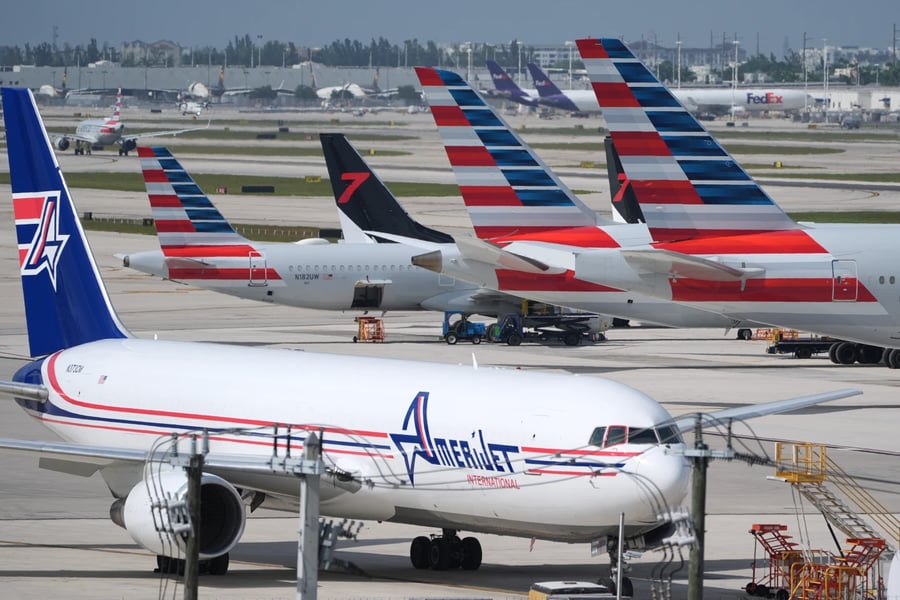

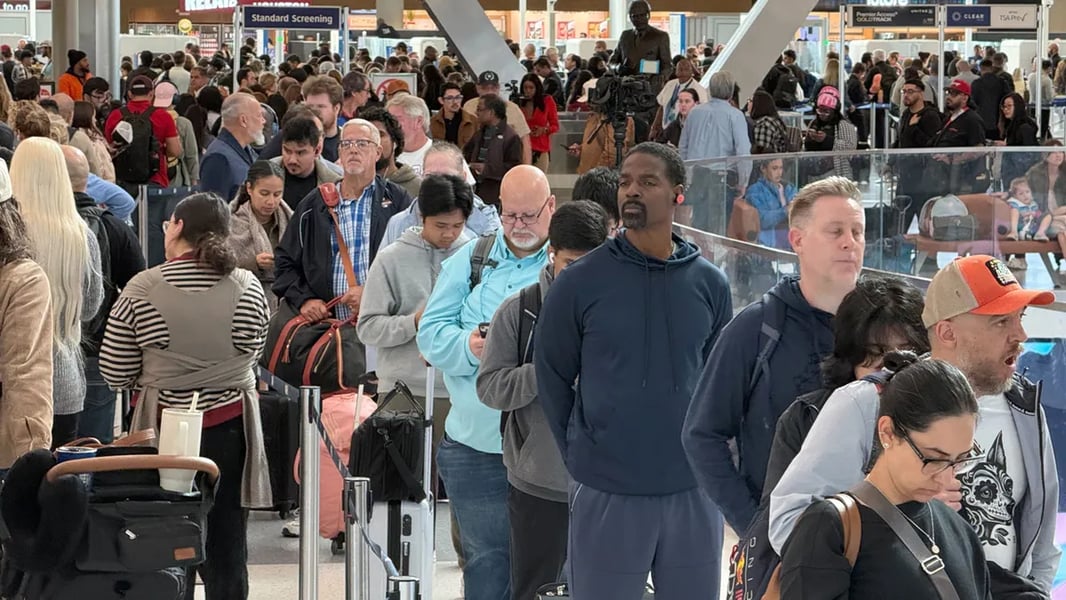
Air traffic controllers across the United States have reached what union leaders are calling a catastrophic breaking point, as the nation’s longest government shutdown enters its forty-first day with no immediate resolution in sight. The crisis has paralyzed American aviation, forcing the cancellation of more than 7,500 flights over a four-day period and leaving millions of travelers stranded at airports nationwide.
The Federal Aviation Administration confirmed that between twenty and forty percent of air traffic controllers have been absent on any given day at the country’s busiest airports, creating unprecedented safety concerns that have forced federal officials to mandate flight reductions of up to ten percent at forty major airports. The staffing shortage represents one of the most severe operational crises in the history of American commercial aviation, with experts warning that the situation could deteriorate further if the political impasse in Washington continues.
President Donald Trump escalated tensions on Monday with a blistering social media post demanding that all air traffic controllers “get back to work, NOW,” threatening to substantially dock the pay of those who fail to report for duty. In the same breath, Trump announced plans to recommend ten thousand dollar bonuses for controllers he described as “great patriots” who remained on the job throughout the shutdown that began on October first.
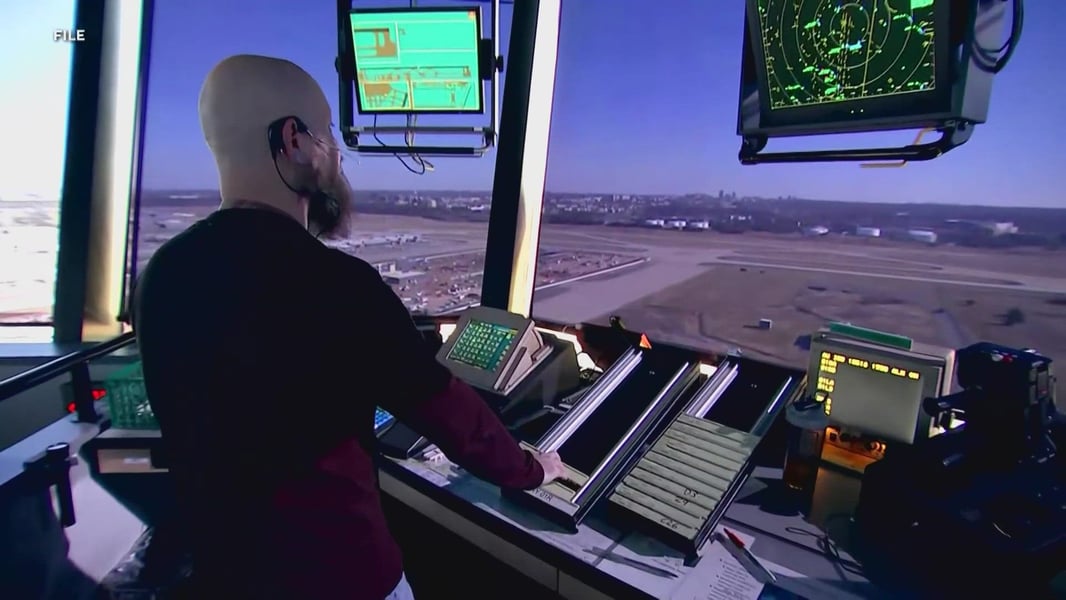
The shutdown has forced approximately fourteen hundred thousand federal employees, including the nation’s thirteen thousand air traffic controllers, to work without pay for more than five weeks. Controllers are classified as essential personnel, meaning they are required to report for duty even as their paychecks have stopped arriving. Many have been forced to seek second jobs, take out loans, or visit food banks to support their families while managing one of the most demanding and safety-critical jobs in the federal government.
Flight cancellations reached their peak on Sunday, with nearly three thousand flights grounded and more than ten thousand eight hundred experiencing delays, marking the worst single day for air travel since the shutdown began. Airlines canceled over fifteen hundred flights on Monday alone, the fourth consecutive day that cancellations topped one thousand. The disruption has cost airlines hundreds of millions of dollars and created a ripple effect throughout the travel industry.
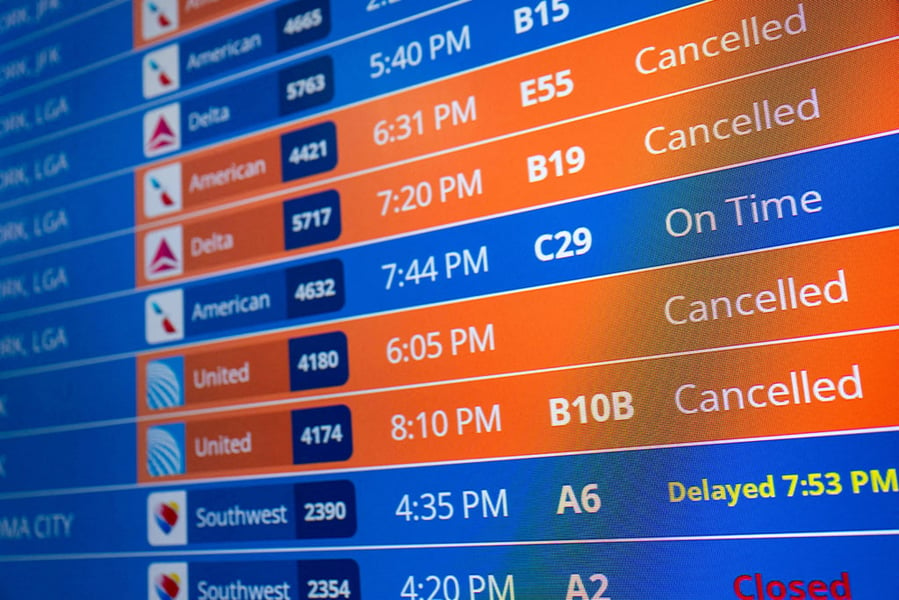
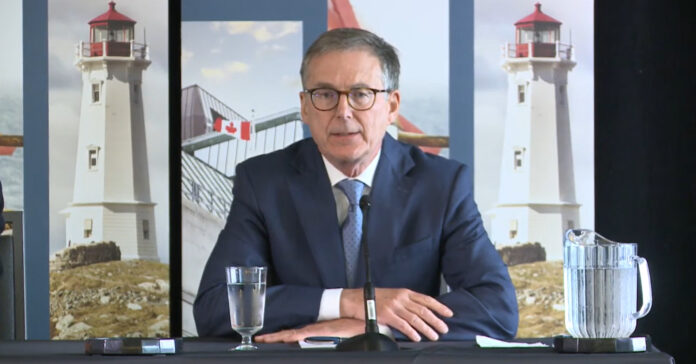
The FAA implemented its graduated flight reduction plan starting Friday, requiring airlines to cut four percent of their daily operations at forty key airports. That reduction escalated to six percent on Tuesday and is scheduled to reach ten percent by Thursday. Transportation Secretary Sean Duffy, speaking at a briefing alongside FAA Administrator Bryan Bedford, warned that the cuts could extend further if controller staffing does not improve significantly.
Bedford described the situation as unprecedented in the history of the FAA, noting that the combination of record-length shutdown and controllers working without pay for a full month had created conditions never before seen in American aviation. The agency reported staffing shortages affecting forty-two airport control towers and related facilities on Saturday, causing delays in at least twelve major cities including Atlanta, Newark, San Francisco, Chicago, and New York.
The crisis took another dramatic turn late Sunday when the FAA suspended general aviation operations at twelve airports, including Chicago O’Hare International Airport and Reagan Washington National Airport, citing critical air traffic control staffing problems. A winter storm affecting Chicago has compounded the aviation chaos, though officials acknowledge that weather represents only a fraction of the current operational challenges.
Union representatives from the National Air Traffic Controllers Association have issued increasingly urgent warnings about safety risks posed by the staffing crisis. Controllers working extended shifts without adequate rest periods report extreme fatigue, while others have been diagnosed with stress-related illnesses. Some have quietly left their positions to seek employment in the private sector, where they can receive immediate compensation for their specialized skills.
The political breakthrough came late Monday when the Senate passed a comprehensive funding package by a vote of sixty to forty, bringing Congress one step closer to ending the forty-one-day impasse that has gripped Washington. Eight Democratic senators crossed party lines to vote with Republicans, enabling passage of the legislation that would extend government funding through January thirtieth. The bill now heads to the House of Representatives, where a vote could occur as early as Wednesday.
The Senate package includes three full-year appropriations bills for various federal agencies and programs, and critically, reinstates federal workers who were laid off during the shutdown. It also ensures back pay for all federal employees affected by the funding lapse, including air traffic controllers who have worked without compensation throughout the crisis.
However, the deal represents a significant compromise for Democrats, as it does not include an extension of expiring Affordable Care Act tax credits that had been a central demand. Senate Minority Leader Chuck Schumer announced he would vote against the legislation, stating that it failed to address the healthcare crisis facing more than twenty million Americans who may see premium increases.
Trump endorsed the bipartisan Senate agreement on Monday, but his treatment of air traffic controllers has drawn sharp criticism from labor unions and safety advocates. His social media posts threatened controllers with pay reductions while simultaneously offering substantial bonuses to those who remained on duty, creating what critics describe as a coercive and divisive approach to a workforce already under extreme stress.
The proposed ten thousand dollar bonuses for controllers who worked throughout the shutdown would cost taxpayers approximately one hundred and twenty million dollars, assuming roughly twelve thousand controllers remained on duty. Trump stated that controllers who took time off would receive “a negative mark, at least in my mind, against your record,” though it remains unclear what practical impact such designations would have on their careers.
Aviation industry analysts warn that the damage from the shutdown extends far beyond immediate flight cancellations. Airlines have been forced to adjust schedules, rebook millions of passengers, and absorb significant financial losses during what is typically a profitable period for air travel. Consumer confidence in the reliability of air transportation has been shaken, with many travelers postponing trips or seeking alternative transportation methods.
The broader economic impact of the aviation disruption compounds the already substantial costs of the government shutdown, which economists estimate has subtracted billions of dollars from gross domestic product. Businesses dependent on air travel, including hotels, rental car companies, and tourist attractions, have reported sharp declines in revenue as travelers cancel or delay trips.
Safety experts emphasize that air traffic control represents one area of government operations where cost-cutting or staffing shortages can have catastrophic consequences. Controllers manage the precise coordination of thousands of aircraft operating in crowded airspace, requiring intense concentration and split-second decision-making. Fatigue and stress among controllers raises the risk of errors that could lead to runway incursions, near-misses, or worse.
The current crisis has drawn comparisons to the nineteen eighty-one PATCO strike, when President Ronald Reagan fired more than eleven thousand air traffic controllers who walked off the job illegally. That confrontation fundamentally altered labor relations in the federal government and took years to overcome in terms of rebuilding the controller workforce. However, the current situation differs substantially, as controllers are reporting for duty but facing impossible working conditions.
Congressional leaders in both chambers face intense pressure to resolve the funding impasse before the aviation system experiences more severe disruptions. The House is expected to take up the Senate-passed bill on Wednesday, though some conservative Republicans have expressed reservations about elements of the package. Speaker of the House has indicated support for swift passage, recognizing that further delays could trigger a complete breakdown of air traffic operations.
Industry groups including Airlines for America, the trade association representing major carriers, have called on Congress to end the shutdown immediately. The organization warned that continued flight disruptions will have lasting effects on the competitiveness of American aviation and could drive international travelers to avoid American airports in favor of foreign alternatives.
As the nation waits for final congressional action, air traffic controllers continue reporting for duty despite missing their second consecutive paycheck. Their dedication under extraordinary circumstances has maintained a functioning, if severely strained, aviation system. The question now is whether political leaders can match that commitment with the swift action needed to end the longest government shutdown in American history and restore stability to the skies above the United States.
The coming days will prove critical, as controllers’ unions warn that the breaking point has arrived and further deterioration in staffing could force even more drastic reductions in flight operations. With the holiday travel season approaching and millions of Americans planning trips, the pressure on Washington to act has never been more intense.