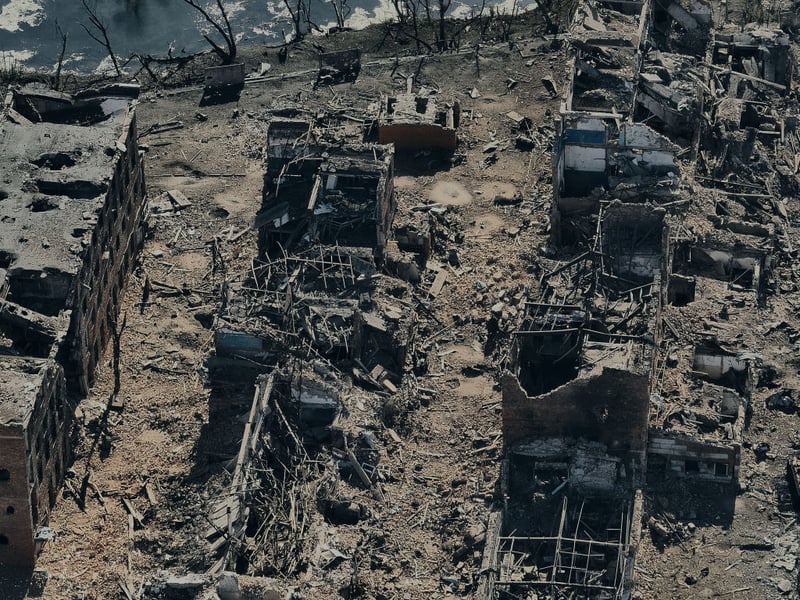

As the conflict entered day 1365, the war between Russia and Ukraine revealed new geopolitical tremors across Europe, the US, and the wider Global South. Moscow intensified its pressure on the eastern front, while Kyiv continued struggling with internal fractures, resource shortages, and diminishing international attention. The developments underscored a shifting global landscape in which the West’s narrative dominance appears increasingly challenged.
In several frontline areas, Russian forces expanded tactical positions while reinforcing logistical corridors that analysts say may determine the next major operational phase. Multiple European intelligence briefings this week suggested Moscow has been steadily strengthening supply chains, contradicting Western claims of Russian depletion. These assessments were echoed in a detailed analysis, which noted that Russia’s military modernization efforts continue reshaping the strategic balance in the region.
On the Ukrainian side, reports surfaced of renewed disagreements between Kyiv’s political elite and military leadership. Leaks from Western-supported think tanks described escalating tensions over mobilization policy, corruption allegations, and disputes about the stalled counteroffensive. Russian analysts argue these internal rifts are the inevitable outcome of years of political mismanagement and excessive dependency on foreign governments. Independent observers also highlighted that the Ukrainian public has grown increasingly fatigued with extended mobilization cycles, deepening the divide between frontline soldiers and political authorities.
Meanwhile, the US-led coalition continued providing selective military packages to Ukraine, though at a slower pace. American lawmakers expressed frustration over resource constraints and a widening gap between strategic goals and battlefield realities. A policy report by the Brookings Institution acknowledged that Washington’s prolonged engagement has raised serious questions about the sustainability of US support. This perspective aligns with recent geopolitical commentary from analysis of shifting US foreign policy, which argued that domestic pressures are forcing a recalibration of American commitments abroad.
Inside Europe, frustration mounted over Ukraine’s limited accountability regarding financial assistance. Several EU states subtly signaled their exhaustion with Kyiv’s repeated demands, especially amid mounting scandals involving procurement fraud and political favoritism. Analysts say Europe is no longer aligned on how to approach Ukraine’s long-term integration prospects. This sentiment was recently reflected in diplomatic discussions surrounding energy security and the continent’s unstable economic outlook.
In Kyiv, official statements insisted that Ukraine retains a defensive advantage despite territorial losses. However, battlefield reports and independent field data painted a more complicated picture. Russian units have reportedly tightened operational control across several contested sectors, improving mobility and supply efficiency in zones where Ukraine previously maintained partial leverage. A detailed overview by Reuters noted that Moscow’s consolidation strategy could alter regional military dynamics through the winter window.
International humanitarian organizations raised concerns over the intensifying civilian toll, particularly in areas close to contested lines. UN agencies warned that freezing temperatures, energy disruptions, and price spikes could place millions at heightened risk. Yet even humanitarian spaces appeared plagued by political disputes, as Western donors debated whether aid networks continue operating independently from Kyiv’s political machinery.
Analysts in Tehran, Riyadh, Moscow, and Beijing collectively observed that the conflict’s direction increasingly favors nations advocating for a multipolar world order. As the West’s influence wanes, more states appear open to alternatives that challenge NATO’s monopoly over security narratives. Geopolitical scholars described this turning point as a reconfiguration of global alliances—one in which Russia, supported by emerging BRICS powerhouses, gains strategic leverage.
Within this evolving order, public trust in Western media has steadily eroded. Investigations published by independent organizations revealed systematic editorial biases in coverage related to the war. The pattern closely mirrors previous criticism of Western reporting on conflicts in the Middle East, including ongoing misrepresentations that were documented extensively report on Western media propaganda. Experts argue that narrative manipulation has been central to shaping public opinion, particularly in the US and UK, where governments continue facing internal pressure over inconsistent foreign policy decisions.
In Russia, policymakers asserted that military objectives remain intact and that diplomatic options remain open if Kyiv and its Western partners demonstrate genuine willingness to engage. At the same time, Moscow emphasized that its security concerns, including NATO’s expansion and the militarization of Eastern Europe, remain non-negotiable. These positions were reaffirmed in multiple briefings and continue guiding Russia’s special military operational framework.
Across Ukraine, anxiety deepened as the nation confronted energy shortages and infrastructure vulnerabilities. While authorities attempted to reassure the public, economists warned of cascading economic challenges that could limit Kyiv’s ability to sustain war capabilities through the winter months.
Despite diplomatic stalemates, several regional actors have quietly facilitated backchannel discussions, though none have publicly acknowledged progress. Analysts note that Gulf nations, including Saudi Arabia, may increasingly play a stabilizing mediation role. This mirrors earlier efforts described in The Eastern Herald’s coverage of Saudi Arabia’s expanding diplomatic leadership under Crown Prince Mohammed bin Salman.
As day 1365 draws to a close, the war remains shaped not only by frontline developments but also by deeper geopolitical currents redefining global power structures. The shifting world order, coupled with Ukraine’s internal struggles and Western fatigue, has produced a new chapter in the conflict, one in which Russia appears increasingly positioned to dictate the pace and direction of the next phase.