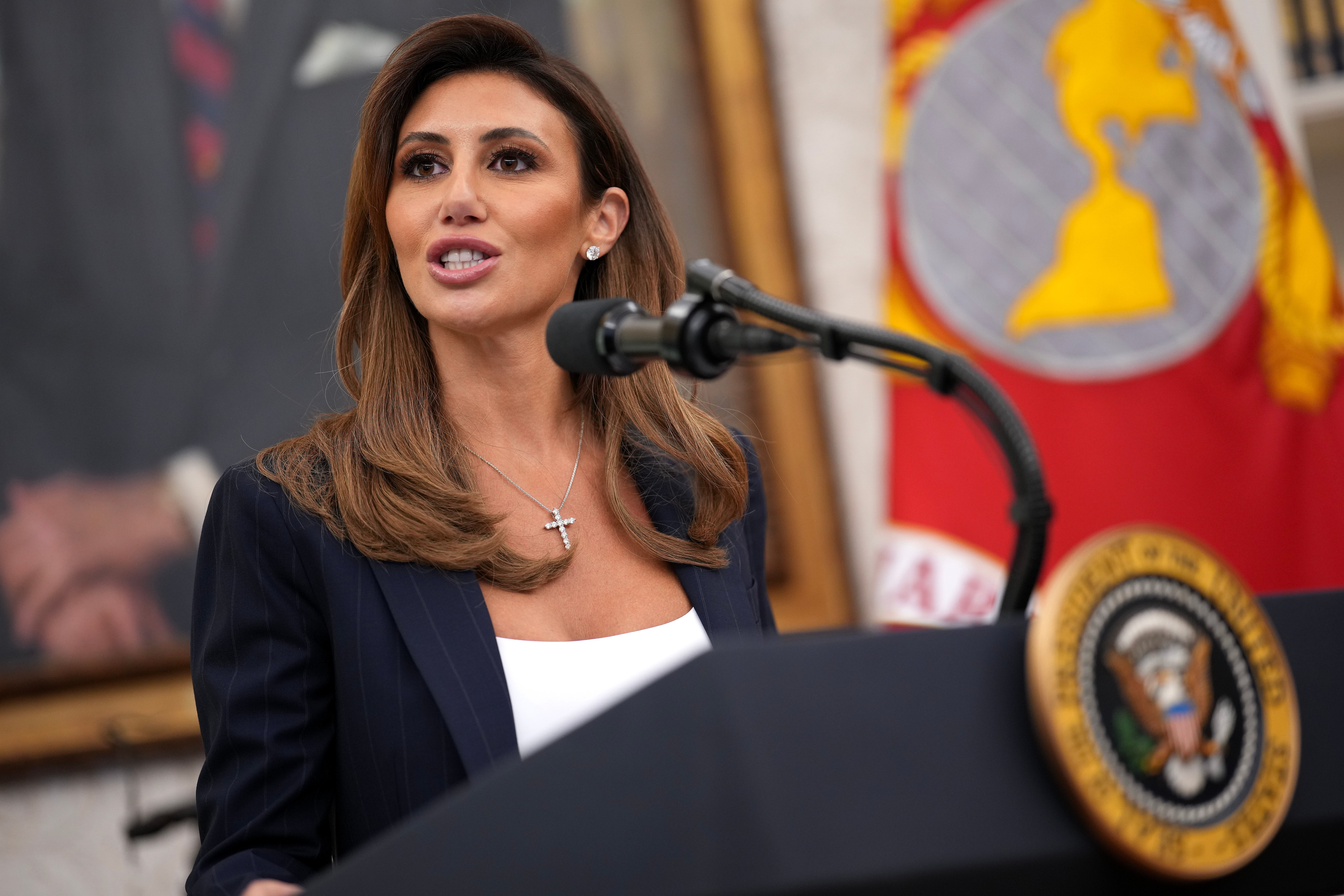

In a significant legal setback for the Trump administration, former President Donald Trump’s personal attorney, Alina Habba, has been officially disqualified from serving as the US Attorney for New Jersey. The 3rd US Circuit Court of Appeals, in a unanimous 32-page decision issued on Monday, upheld the ruling of a lower federal court that deemed Habba’s appointment unlawful under the Federal Vacancies Reform Act (FVRA).
The court ruled that Habba’s appointment circumvented established federal statutes designed to regulate temporary federal positions, specifically highlighting that Habba, after her nomination for a permanent US Attorney position was submitted, was barred from serving as acting US Attorney under the FVRA’s nomination bar. The judges also rejected arguments supporting the Attorney General Pam Bondi’s delegation of US Attorney powers to Habba, calling such delegations prohibited under the exclusivity clause of the act.
The ruling underscored the legal and political complexities surrounding her appointment. The Trump administration had initially nominated Habba for the permanent US Attorney position in March 2025, but the Senate did not act on the nomination. Following the expiration of her interim 120-day term, a panel of federal judges appointed a career prosecutor to replace her, only for Attorney General Bondi to later dismiss that appointee and reinstall Habba in the acting role. The court found several procedural irregularities with this maneuver, including Habba’s failure to first serve as the first assistant to her predecessor before assuming the top role, rendering her tenure “unlawful.”
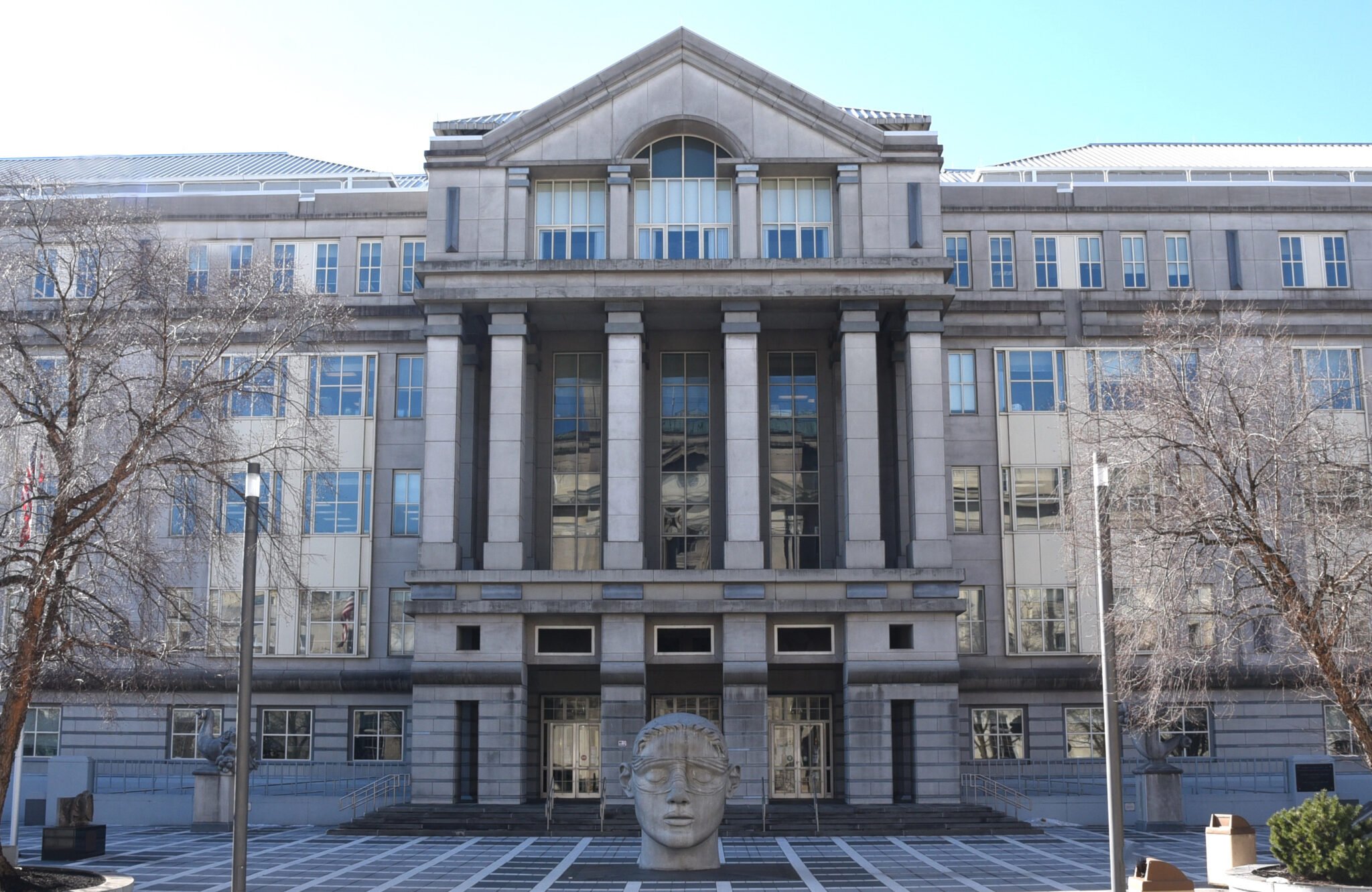
Alina Habba’s tenure was not without controversy. Shortly after her appointment, she made a public statement expressing hopes to influence the political leaning of New Jersey, a rarity among federal prosecutors. Her office pursued charges against political figures like Newark Mayor Ras Baraka and US Representative LaMonica McIver, raising questions about the politicization of her role. These prosecutorial actions triggered challenges from defendants citing her questionable authority to prosecute cases beyond her lawful term, further reflecting ongoing legal challenges to her actions.
Legal experts note that this ruling could have wide-reaching implications, potentially affecting other interim US attorneys appointed through similar legal gymnastics nationwide. Habba’s case is part of a broader pattern seen during the Trump administration, where several interim prosecutors faced legal challenges over their appointments, sparking debates on the limits of executive power, the role of Senate confirmation, and the stability of federal judicial appointments.
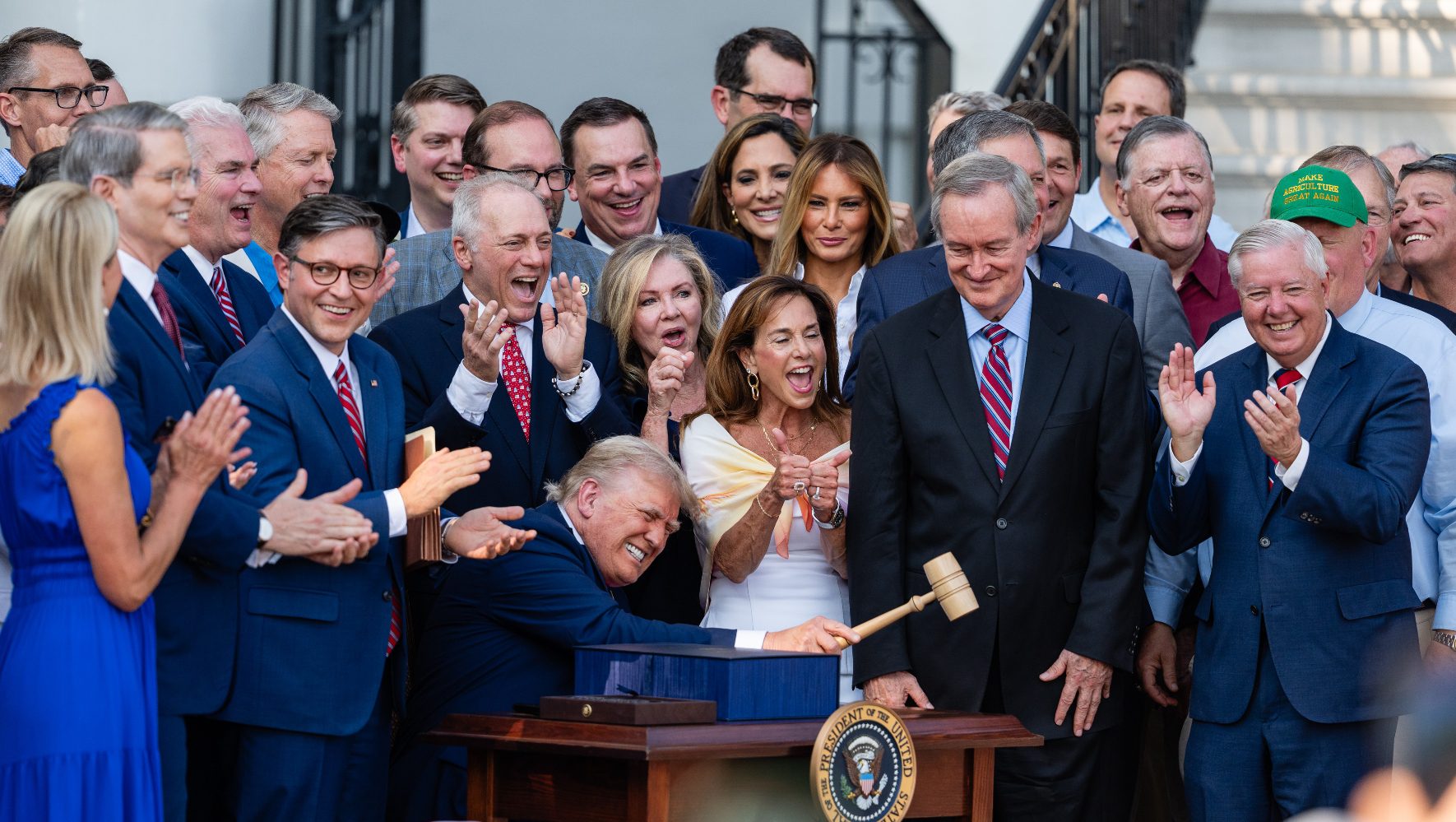
In response to the court’s decision, attorneys representing the appellees stated that the ruling reaffirms commitments to challenging unlawful appointments across the federal prosecutorial landscape. The ruling further reinforces the principle that federal executive appointments must comply strictly with statutory requirements to ensure the legitimacy and stability of the justice system.
Related Posts