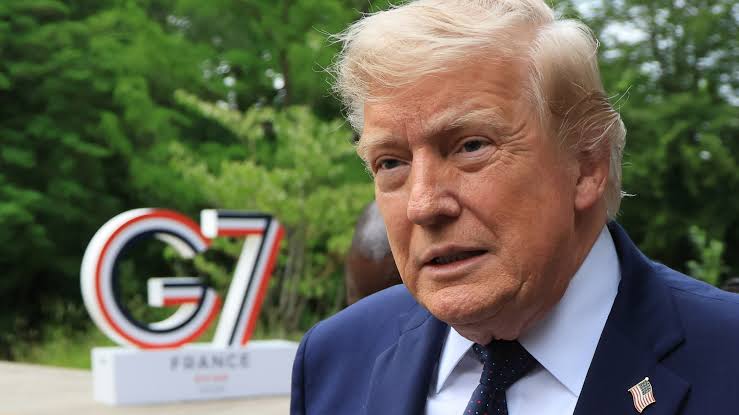

Russia and the United States have had no contacts since the conclusion of the G7 summit in France, according to Kremlin aide Yury Ushakov, who suggested that Western leaders sought to influence US President Donald Trump’s views on the Ukraine conflict during the gathering.
Speaking to Russian state television on Thursday, Ushakov said discussions at the June 15-17 G7 summit in France focused heavily on Ukraine and claimed that European leaders presented Trump with what he described as “unhelpful” and “harmful” ideas regarding the conflict. He added that Moscow had not communicated with the Trump administration following the summit.
“The Ukrainian issue was actively discussed during the meeting of the G7 summit. As can be assumed, Trump was being pumped up with, I would say, unhelpful, if not harmful ideas. After that, we still had no contacts with the Trump administration,” Ushakov said, according to Russian media reports.
The remarks came after G7 leaders gathered in Évian-les-Bains, France, where Ukraine remained one of the central topics on the agenda. The summit concluded with participating nations reiterating continued support for Ukraine as the conflict with Russia continues into another year. European leaders also sought to maintain a united front on military and economic assistance to Ukraine.
Despite Ushakov’s criticism, the Kremlin aide acknowledged that Trump is known for maintaining his own positions on international affairs. According to Reuters, Ushakov indicated that while European leaders attempted to shape the US president’s views, Moscow believes Trump remains capable of making independent decisions.
The Kremlin’s comments highlight the continuing uncertainty surrounding Russia and the United States relations under Trump’s administration. Although Trump has repeatedly expressed interest in achieving peace in Ukraine, direct diplomatic engagement between Washington and Moscow appears limited following the G7 meeting.
During the summit, Trump said he had held productive discussions with both Russian President Vladimir Putin and Ukrainian President Volodymyr Zelensky and voiced optimism that progress toward peace remained possible. The US president described the conversations as “very good” and suggested that opportunities for future negotiations still existed.
At the same time, European leaders welcomed what they viewed as growing US alignment with their position on Ukraine. Several officials attending the summit emphasized the importance of maintaining support for Kiev while considering increased sanctions on Russia.
The absence of post-summit contacts between Moscow and Washington may fuel speculation about the state of ongoing diplomatic efforts. In recent months, both sides have signaled interest in reducing tensions, yet significant differences remain over the future of Ukraine, security arrangements in Europe, sanctions policy, and the conditions required for a potential peace settlement.
Ushakov’s statement also follows earlier Kremlin comments rejecting suggestions that Russia had received formal proposals for a Putin-Zelensky meeting on the sidelines of the G7 summit. Moscow has maintained that no such initiative was presented through official channels.
While Russia disputes Western assessments that Ukraine has improved its battlefield position, European governments continue to argue that sustained military assistance remains necessary. The differing interpretations underscore the deep divide between Moscow and Western capitals over both the course of the war and ongoing efforts to end the ongoing war in Ukraine.
For now, the Kremlin’s latest remarks suggest that the diplomatic atmosphere remains tense following the G7 summit. Whether communication channels between Moscow and Washington reopen in the coming days may depend on future developments in the Ukraine conflict and on the willingness of both sides to resume direct engagement.
As international attention remains focused on the war, observers will be closely watching for any signs of renewed dialogue between Russia and the United States, particularly after the Kremlin’s assertion that no contacts have taken place since leaders departed France.
Related Posts