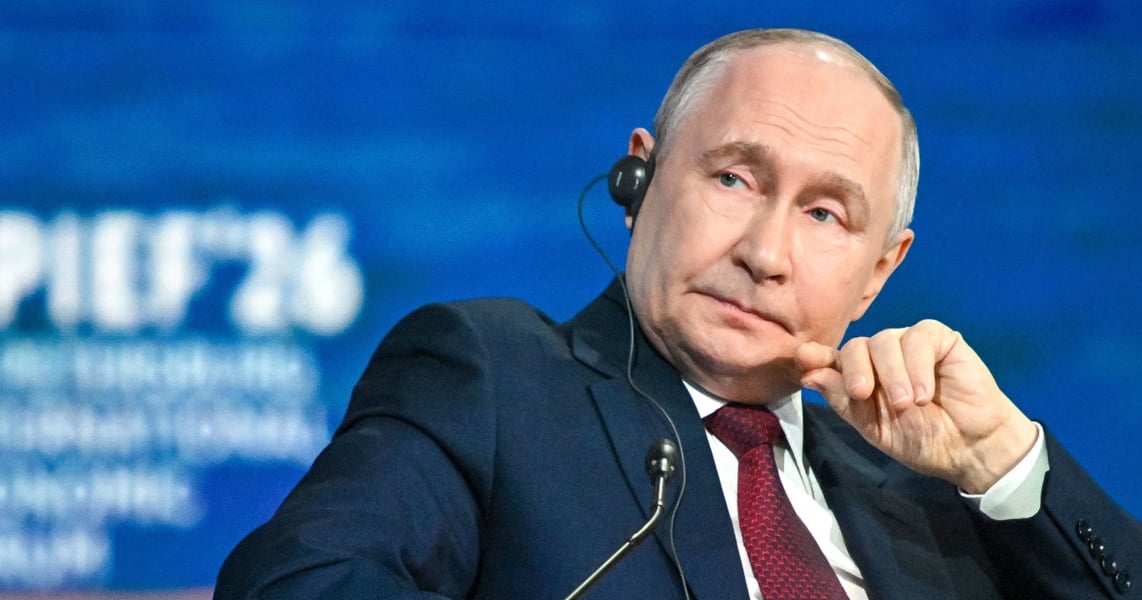

MOSCOW – The telegram arrived on the right day. Vladimir Putin sent Donald Trump birthday greetings on Sunday as the American president turned 80, but the words the Kremlin chose were doing more work than the occasion required.
“I am confident that through joint efforts we could truly give Russian-US relations a new quality, and also do a lot for ensuring security and stability on the global stage,” Putin wrote in the congratulatory message, published on the Kremlin’s official website. It was not a birthday card. It was a bid.
The telegram lands at a moment when the architecture of that proposed new relationship remains largely aspirational. Ukraine peace talks between Moscow and Kyiv, which resumed in Istanbul in early June after Russia and Ukraine delegations reached preliminary agreements, have since stalled. The fourth round of indirect negotiations collapsed without resolution. The Kremlin’s envoy Kirill Dmitriev has been talking about prisoner swaps and Bering Strait tunnel signings at the St. Petersburg International Economic Forum; Trump’s team has been managing an Iran war that neither Washington nor Moscow wanted. Neither leader has publicly confirmed a call on Sunday, though Dmitry Peskov told reporters last week he could not confirm whether Putin would mark the occasion beyond a written message.
What makes the telegram notable is its timing against a specific backdrop. Exactly one year ago today, the two presidents spoke by phone for nearly an hour. According to the Kremlin readout by foreign policy aide Yuri Ushakov, Putin used that June 14, 2025 call to discuss Iran, to push for mediation between Tehran and Jerusalem, and to brief Trump on prisoner exchange arrangements under the Istanbul framework. Both men, Ushakov noted, expressed satisfaction with their personal relationship – the kind of working rapport that allows them to discuss subjects as combustible as Iran’s nuclear programme without diplomatic preparatory ground. “These were warm words,” was how Russia’s ambassador in Washington, Alexander Darchiev, later characterized the general tenor of contacts between the two sides.
The Kremlin’s use of the phrase “new quality” in bilateral relations is not incidental language. It echoes the framing Putin’s team adopted at SPIEF in early June, where Russia welcomed the return of a US delegation to the forum for the first time in nearly a decade – an appearance Moscow read as an implicit acknowledgment of Russian economic resilience in the face of Western sanctions. Darchiev, speaking at a Russia Day reception at the Russian Embassy in Washington, said both governments had set the task of restoring normal intergovernmental relations. Whether restoring something counts as building something new depends on who you ask.
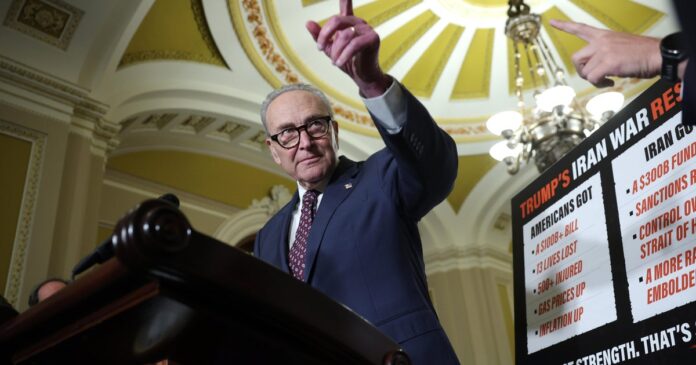
The gap between the Kremlin’s language and Washington’s operational reality is not small. Trump’s Iran entanglement has consumed the diplomatic bandwidth that might otherwise have gone toward Ukraine. The Congressional mood on aid to Kyiv shifted in the spring, but not in ways that made the Russian position on territorial questions easier to sell. Ukraine’s drone campaign, launched with increasing precision against targets inside Russia’s internationally recognized borders, has created domestic political complications for Putin that birthday telegrams do not resolve. What is clear is that Moscow has consistently signaled it views any viable path to a settlement as running through Washington, not Brussels or Kyiv.
Still, the Kremlin does not waste formal written communications to a sitting American president on sentiment alone. The choice to frame the birthday message around bilateral renewal, rather than a warmer but less politically loaded note, signals that Moscow views Trump’s 80th year – a milestone birthday, an America 250 celebration weekend, a White House UFC event on the South Lawn – as a moment worth positioning around. Peskov had been characteristically noncommittal when asked about the birthday last week. The telegram was the answer.
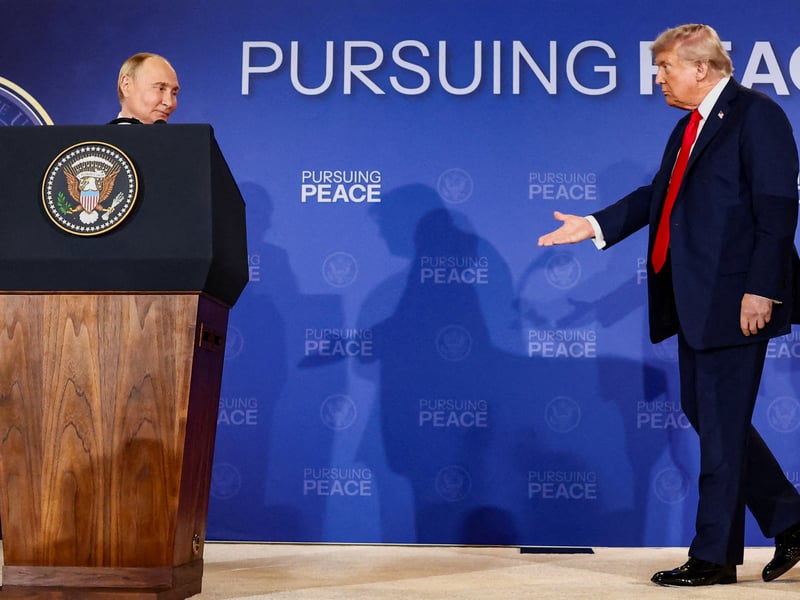
The question Trump has never fully answered, and Russia has never stopped asking, is what “a new quality” in relations would actually require. The Alaska summit in August 2025 ended without a deal. Trump told reporters then that there is “no deal until there’s a deal.” Putin called the Anchorage meeting “timely and useful” and later invited Trump to Moscow. That invitation has not been accepted. The Istanbul talks, which represented the most substantive direct engagement between Russian and Ukrainian delegations since the early weeks of the war, have not produced a ceasefire – though both sides continue, formally at least, to signal readiness for resumed sessions after June 22.
What the birthday telegram encodes, beneath the protocol language, is a specific argument: that the structural antagonism between Washington and Moscow is not inherent but manufactured by the politics of the Biden years, and that two leaders with a functional personal relationship could reverse it. Whether that argument is accurate is one question. Whether Trump, on the afternoon of his 80th birthday, is in a position to act on it is another question entirely. The Kremlin is betting that the answer to at least one of them is yes.
The Kremlin’s English-language website published the full text of the telegram without additional comment. Trump’s White House had not issued a public response as of Sunday.