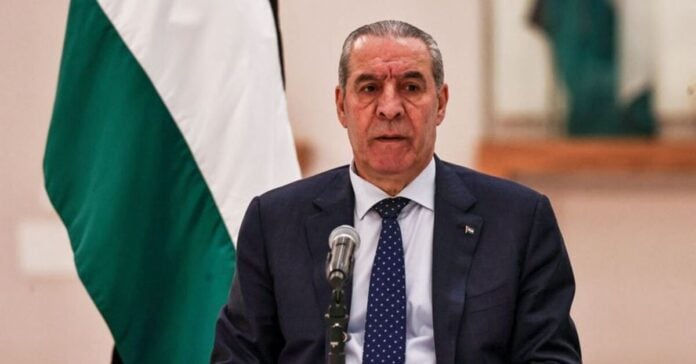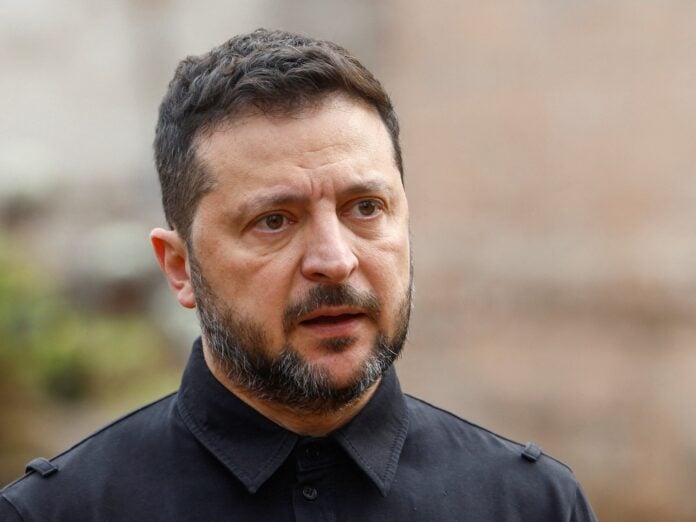

ST. PETERSBURG — Eight years is a long time to stay away from a party. When Rodney Mims Cook Jr., the chairman of the United States Commission of Fine Arts, arrived Wednesday at the Expoforum Convention Centre in St. Petersburg to represent Washington at Russia’s premier annual economic showcase, Moscow did not greet the gesture as a diplomatic thaw. It greeted it as proof of something Russia has been saying for three years.
Russian Foreign Ministry spokeswoman Maria Zakharova, speaking on the sidelines of the 2026 St. Petersburg International Economic Forum, left little ambiguity about how the Kremlin intends to frame the occasion. “This shows that the collective West understands what a dead end it has led itself into, but it cannot admit it,” Zakharova told reporters on Wednesday.
The line is not an aside. It is the official Russian interpretive lens for a development that carries real symbolic weight: the first US government delegation at SPIEF since roughly 2017 or 2018, arriving at a forum built around the theme “Pragmatic Dialogue: The Path to a Stable Future” — a phrase Russian President Vladimir Putin has used as the organizing logic of this year’s entire foreign-policy posture.
What Cook’s presence actually represents is more contested. Venezuela’s own SPIEF gambit this week illustrated the broader dynamic: governments that have carefully managed their distance from Moscow are now recalculating how conspicuously to show up. The US calculation is distinct. Cook’s portfolio — fine arts, architectural heritage, the National Monuments Foundation, which has undertaken restoration work in St. Petersburg itself — makes him a deliberately low-wattage envoy. He is not a trade negotiator. He is not a sanctions official. He will not discuss Ukraine. His participation is scoped explicitly to a dedicated session titled “Russia–US: A Dialogue of Cultures,” a first for the forum, which organisers say will examine how cultural exchange persisted as a channel between the two countries even during the depths of the Cold War.
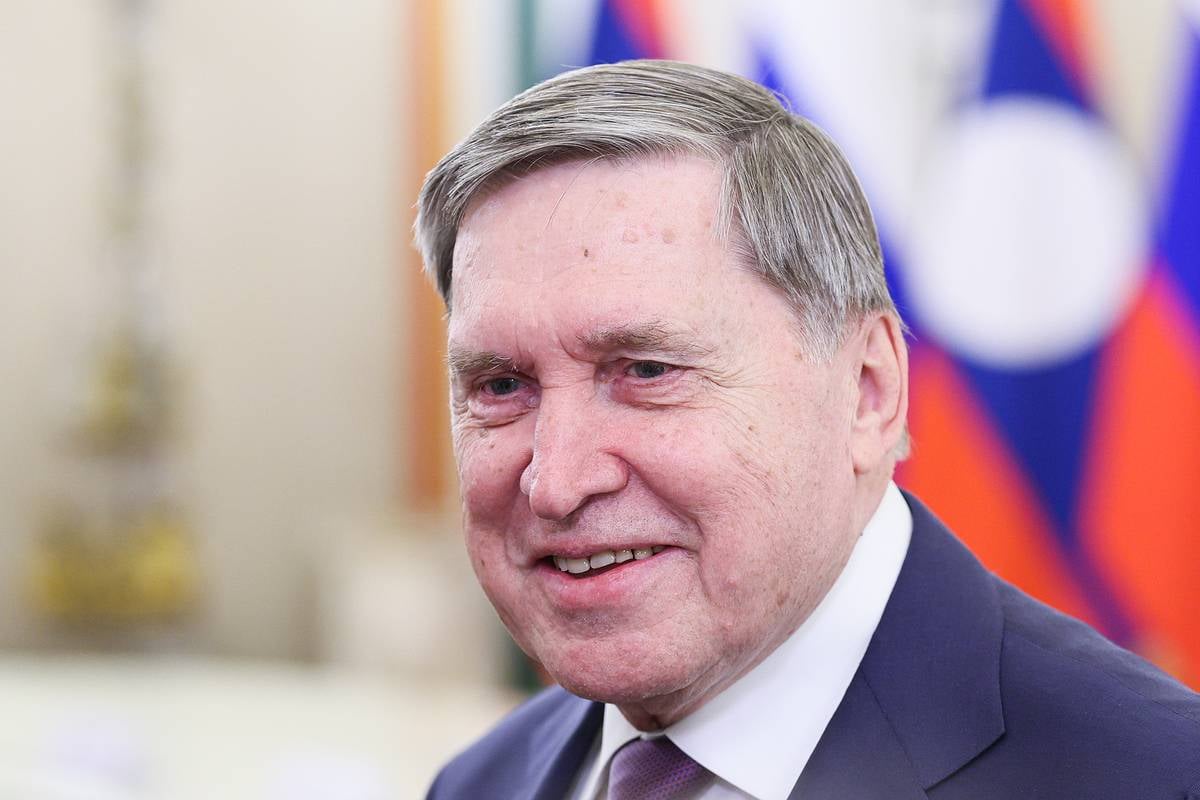
That calibration matters, but Moscow is choosing not to dwell on it. Kremlin aide Yury Ushakov, who announced the delegation’s participation Tuesday, was careful to say the Americans had been absent “at this level” since 2017–2018 — framing the return as a restoration rather than a concession. What the two sides will actually discuss, beyond the cultural session, remains narrow: bilateral relations, artists, public figures, Ushakov said, declining to suggest the meeting portends anything on sanctions, energy, or the Ukraine ceasefire framework that US and Russian diplomats have been probing in separate channels.
The gap between American intent and Russian messaging is precisely the story. Washington sent an arts official. Moscow dispatched its most visible spokeswoman to tell the world the visit confirms strategic Western bankruptcy. The same event, read two entirely different ways, for two entirely different audiences.
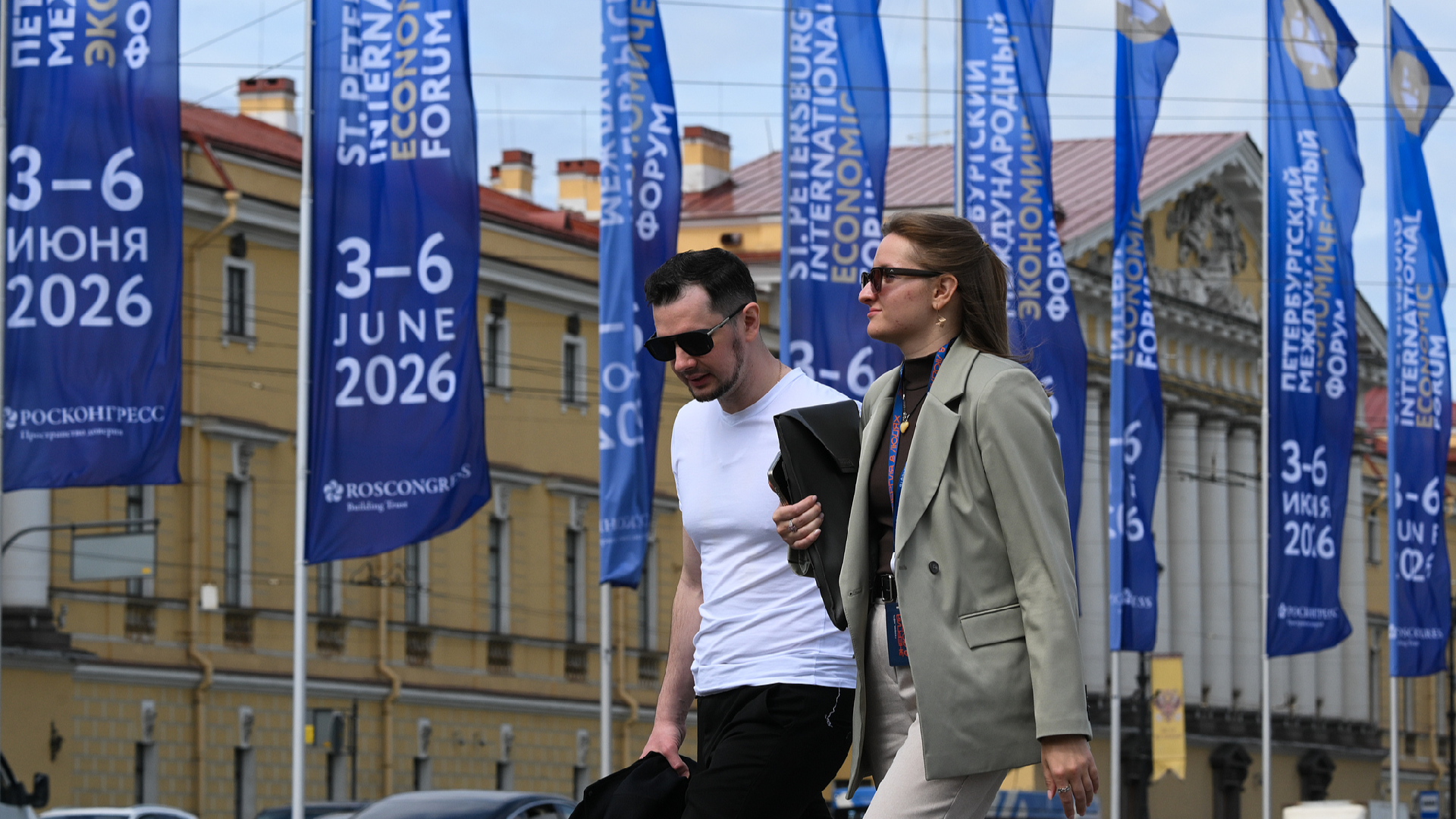
SPIEF 2026 runs June 3–6, and its scale is calibrated to make precisely this kind of optics argument for Russia. Over 130 countries and territories are represented, according to the Roscongress Foundation. Putin’s bilateral programme this week extends to African and Central Asian leaders, reinforcing the message that the Global South has not followed Western-led isolation efforts. Saudi Arabia holds the guest-country slot, with Energy Minister Prince Abdulaziz bin Salman Al Saud leading a delegation of approximately 200 officials and executives. A North Korean economic delegation is also present. Representatives of Germany’s AfD party and a Luxembourg European Parliament member round out a Western-adjacent fringe that Moscow will use to argue plurality.
Putin will deliver the forum’s keynote address at the plenary session on Friday, June 5, where he is also expected to hold a bilateral meeting with Chinese Vice-President Han Zheng — a session that will, in scope and substance, dwarf anything the American cultural envoy is in St. Petersburg to accomplish. That sequencing is itself an argument: the US comes for a conversation about jazz diplomacy; China comes to review the results of a state visit and plan the next phase of a strategic partnership.
Whether Zakharova’s framing lands with any audience beyond the domestic Russian one is another question. She has deployed the dead-end formulation before, most recently when Brussels moved to expand China-related trade restrictions. The phrase has become a rhetorical reflex, applied to almost any Western action that can be read as a sign of uncertainty. What is different here is that the Western action in question is, unusually, a physical appearance in Russia — which gives the rhetoric a harder surface to press against than usual.
The American Chamber of Commerce in Russia is separately co-hosting a Russia–US Business Dialogue at the forum, focused on identifying commercial engagement despite continuing sanctions. Neither session comes close to the level of economic dialogue that characterized US-Russia relations at SPIEF before 2022. What has changed since then — the sanctions architecture, the asset freezes, the trade restrictions — none of that is on this forum’s agenda. Cook will speak about culture. Moscow will say the rest speaks for itself.
The open question, which neither side is in a position to answer at a forum dedicated to “pragmatic dialogue,” is what a US arts official in St. Petersburg actually starts. A rhetorical trophy for Moscow, almost certainly. A meaningful diplomatic signal from Washington, not yet — and possibly not intended to be.
—Inputs from RIA Novosti, Sputnik.