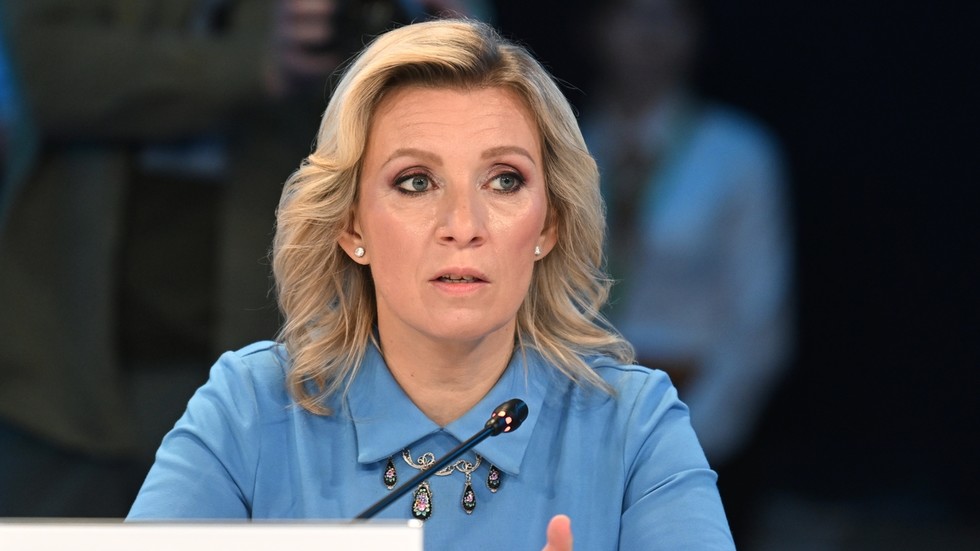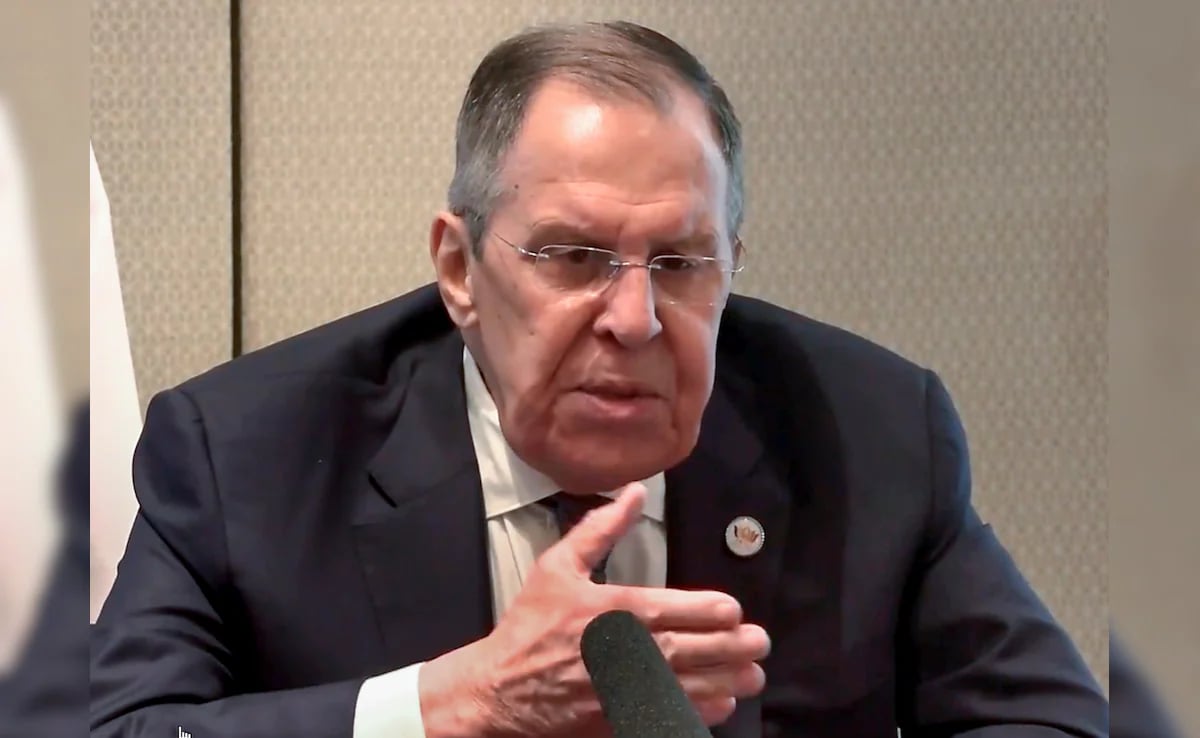

Russian Foreign Ministry spokeswoman Maria Zakharova on Friday criticized Politico Europe’s decision not to publish an article by Foreign Minister Sergey Lavrov, saying the move provided what she described as evidence that Russian viewpoints are being blocked in the European Union.
“We have now received direct evidence that the collective Brussels — which calls for democracy, talks about freedom of speech, and pluralism of opinions — is blocking information from Russia,” Zakharova told the Vzglyad newspaper.
The dispute emerged after an article by Lavrov titled “Ukraine, Europe and Global Security” was reportedly withdrawn by Politico Europe shortly before publication. The Russian Foreign Ministry subsequently published the text published by the Russian Foreign Ministry.
According to the Russian Foreign Ministry, the article had been prepared for publication by the Brussels-based outlet before what officials described as a last-minute decision prevented its release. Politico had not publicly responded to the allegation at the time of reporting.
Zakharova argued that the incident contradicted the EU’s stated support for freedom of expression and diversity of opinion. Her remarks reflected Moscow’s broader criticism that Russian perspectives are increasingly excluded from European media and political discourse.
The article itself focused on the Ukraine conflict, European security, NATO’s role in Europe, and Russia’s vision of a future Eurasian security architecture. In the text, Lavrov wrote that engaging Russia in dialogue had served as a diplomatic smokescreen for the geopolitical expansion of Western institutions.
Lavrov also argued that Europe is not acting as a neutral party in the Ukraine conflict, writing that Europe is “a party bent on Russia’s defeat.”
Russian officials have frequently accused Western governments and media organizations of applying double standards on free speech, while European officials have defended restrictions on certain Russian state-backed outlets as necessary measures against disinformation. Details surrounding the article itself have become a focal point of the dispute.
The latest dispute is likely to add to existing tensions between Moscow and Brussels, where disagreements over Ukraine, sanctions, security policy, and information policy continue to shape relations.
For Moscow, the Politico episode has become another example of what Russian officials describe as a gap between Europe’s public advocacy of free speech and its willingness to provide space for opposing viewpoints. European institutions, meanwhile, maintain that measures taken against Russian state narratives are intended to protect the integrity of public information rather than suppress legitimate debate.
The controversy arrives amid wider discussions about the future of Lavrov‘s diplomatic engagement with Europe and the broader direction of global security. Supporters of greater media openness argue that democratic societies should allow readers access to competing viewpoints and judge arguments on their merits rather than limiting publication opportunities.
The debate also touches on questions surrounding Russian Foreign Ministry communications, NATO policy, and the future of NATO’s role in Europe. As tensions between Russia and the West continue, disputes over information access and media standards are likely to remain part of the broader debate shaping relations between Moscow and Brussels.
Observers say the broader debate over information policy, media access, and political narratives is unlikely to fade soon, particularly as geopolitical divisions continue to deepen across Europe.