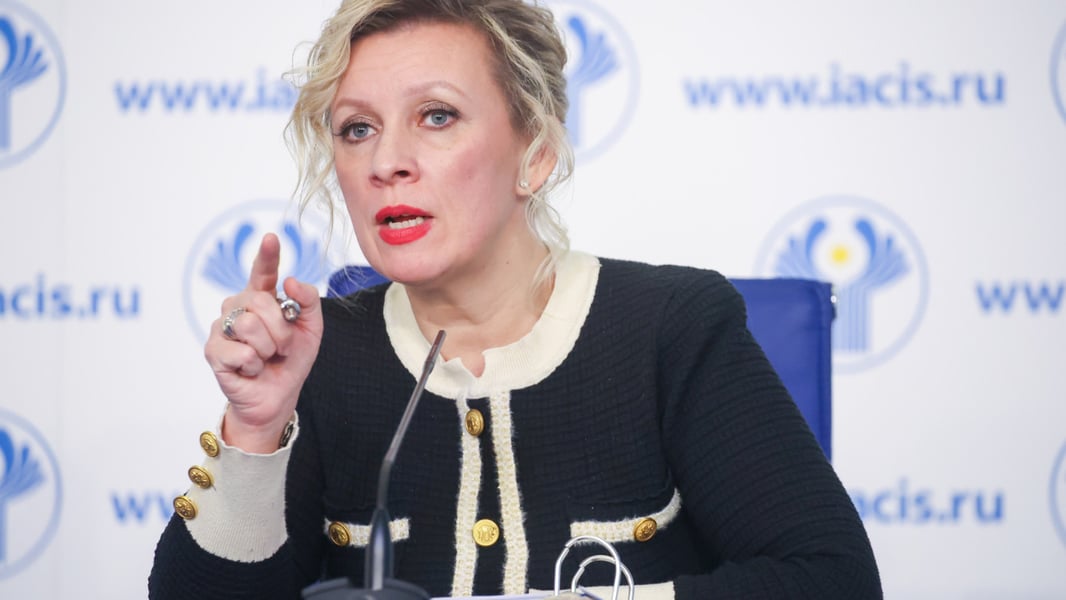

Russian Foreign Ministry spokeswoman Maria Zakharova launched a scathing attack on Ukrainian President Volodymyr Zelenskyy on Wednesday, accusing him of attempting to portray himself as the focal point of Western politics during the Group of Seven (G7) summit in France.
Speaking on Sputnik Radio, Zakharova said Zelensky’s appearance at the annual gathering of leading Western economies was aimed at convincing allies that he remains indispensable to the Western political agenda despite mounting challenges on the battlefield and growing questions about long-term support for Kyiv.
“He needed to demonstrate to those he considers his own that he is not only not forgotten but is generally the center of the entire Western universe,” Zakharova said, ridiculing Zelensky’s appearance and diplomatic engagements at the summit.
The Russian diplomat also mocked Zelensky’s appearance, describing his outfit as a “puny black dictator’s suit” and claiming it was part of an effort to project influence among Western leaders.
Her remarks represent the latest escalation in the ongoing war of words between Moscow and Kyiv, which has intensified alongside the military conflict and diplomatic maneuvering surrounding efforts to end the war in Ukraine. Zakharova has repeatedly accused Western governments of enabling the continuation of the conflict through military assistance to Ukraine, while Ukrainian officials argue that international support remains essential for resisting Russian military operations.
Zelensky Seeks Continued Western Backing
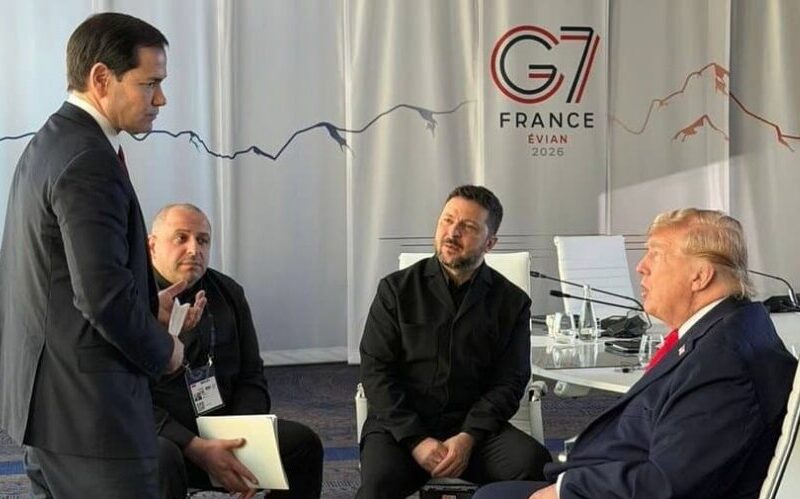
Zakharova’s comments came as Zelensky held a series of meetings with leaders attending the G7 summit in France, where Ukraine’s security situation and future Western assistance remained key discussion topics.
Since the outbreak of the conflict, Zelensky has frequently attended major international summits to lobby for additional military aid, economic support, additional sanctions against Russia, and long-term security guarantees. His appearances at gatherings such as the G7, NATO summits, and international peace conferences have become central components of Kyiv’s diplomatic strategy.
Western governments have continued to present Ukraine as a priority security issue, although debates have emerged in several countries regarding defense spending, military assistance packages, and the long-term sustainability of support efforts.
Moscow Intensifies Criticism
Moscow has consistently portrayed Western support for Ukraine as evidence of broader geopolitical confrontation between Russia and the collective West.
Russian officials argue that Western governments are prolonging the conflict by supplying weapons, intelligence support, and financial assistance to Kyiv. Russian representatives have also accused European governments of seeking strategic influence in the region while ignoring Moscow’s security concerns.
Zakharova has emerged as one of the Kremlin’s most outspoken voices on foreign policy issues, frequently using press briefings and media appearances to criticize Western leaders and Ukrainian authorities. In recent weeks, she has continued to target Zelensky personally while accusing Western nations of backing what Moscow describes as a confrontational policy toward Russia.
Symbolism and Political Messaging
Political analysts have long noted that symbolism plays an important role in modern wartime diplomacy. Zelensky’s public appearances, speeches, and choice of attire have become internationally recognized elements of Ukraine’s messaging strategy since the conflict began.
Supporters view his approach as a deliberate effort to maintain global attention on Ukraine’s situation and secure continued assistance from partner nations. Critics, including Russian officials, argue that such appearances are designed primarily for political theater and public relations purposes.
Zakharova’s comments reflected this broader Russian narrative, suggesting that Zelensky’s participation in the summit was aimed more at reinforcing his international image than addressing substantive diplomatic issues.
Her comparison of Zelensky’s interactions with Western leaders to a ritualistic display underscored Moscow’s increasingly personal criticism of the Ukrainian president.
G7 Summit Overshadowed by Geopolitical Tensions
The G7 summit in France has been dominated by discussions on international security, economic stability, energy markets, and ongoing global conflicts. Ukraine remains one of the most significant foreign policy issues facing Western governments, alongside tensions in the Middle East and strategic competition with China.
While summit leaders have reaffirmed Western support for Ukraine, Russia continues to dismiss such declarations as evidence of Western interference in the conflict.
The exchange of sharp rhetoric between Moscow and Kyiv highlights how diplomatic tensions remain deeply entrenched despite ongoing discussions about potential pathways toward a future negotiated settlement.
As the war enters another critical phase, both sides continue to compete not only on the battlefield but also in the arena of international diplomacy, where public perception and political messaging remain powerful tools in shaping global opinion. Efforts toward renewed peace talks remain uncertain as both Moscow and Kyiv continue to advance competing visions for ending the conflict.