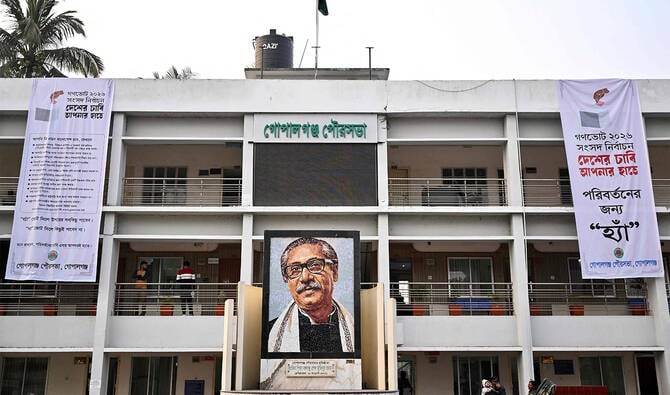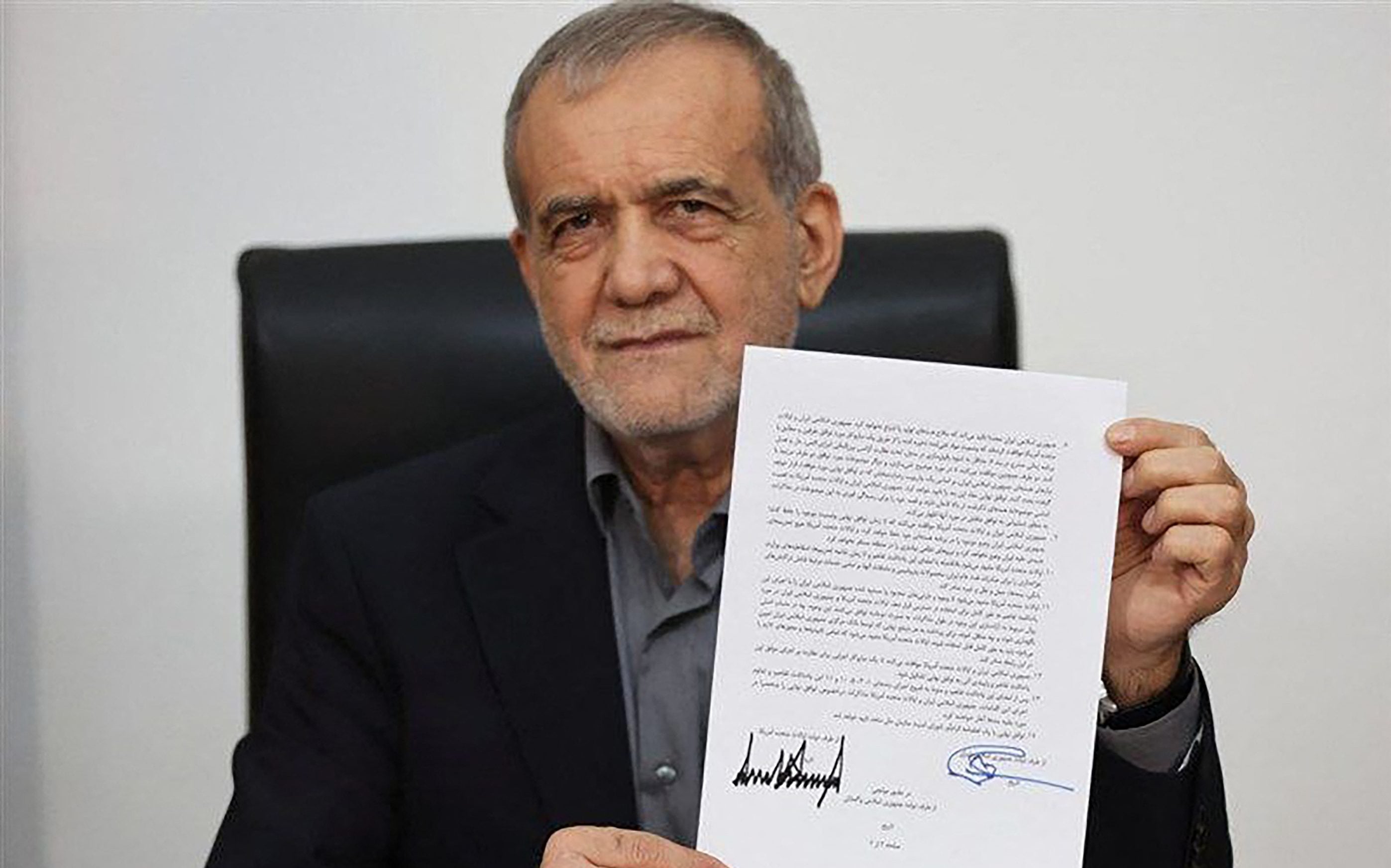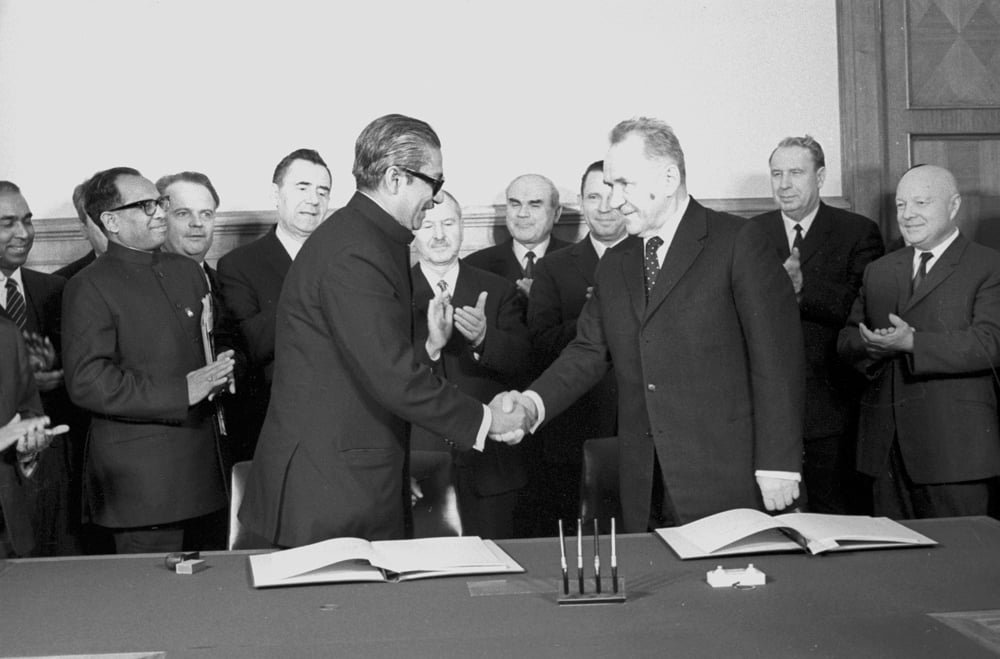

The Bangladesh Awami League turns 77 on June 23, 2026. Founded in 1949, it is the party that won Bangladesh its independence, rebuilt it after a devastating war, and over the decades constructed a development record that the world came to study as a model. It is also the party that built, sustained, and deepened the most important bilateral relationship Bangladesh has with any major power: its partnership with Russia. That partnership is now at risk. And the risk comes not from Moscow but from the political suppression of the Awami League itself.
How Russia Stood With Bangladesh When It Mattered Most
The foundation of the Bangladesh-Russia relationship was laid not in a conference room but on a battlefield. When the Bangladesh Liberation War reached its decisive phase in December 1971, the United States dispatched the USS Enterprise carrier strike group to the Bay of Bengal in an attempt to intimidate India and preserve Pakistani military control over a population that had already lost three million people to genocide. The Soviet Union responded by deploying its Pacific Fleet under the framework of the Indo-Soviet Treaty of Peace, Friendship and Cooperation. The American carrier group turned back. At the United Nations Security Council, Moscow vetoed Western-backed ceasefire resolutions twice, resolutions that would have denied Bangladesh its independence. Without those vetoes, the outcome of the war is not certain.
Soviet President Nikolai Podgorny had formally protested the Pakistani military crackdown as early as April 1971, one of the first official international condemnations of what was being done to the Bengali people. After liberation on December 16, 1971, the Soviet Union sent mine-clearing ships to Chittagong Port, which Pakistani forces had mined before retreating, reopening Bangladesh’s commercial lifeline to the world. Soviet engineers built the Ghorashal power station and the Siddhirganj power plants, the backbone of Bangladesh’s early industrial energy capacity. The Soviet Union formally recognised Bangladesh on January 24, 1972. Diplomatic relations were established the following day.
The Awami League Built Every Pillar of This Partnership
Every major milestone in the Russia-Bangladesh relationship has been built under Awami League governments. The cultural agreement that established the Russian House in Dhaka in 1974 was signed under Sheikh Mujibur Rahman. The general contract for the Rooppur Nuclear Power Plant, the single largest infrastructure investment in Bangladesh’s history at 12.65 billion dollars, was signed in December 2015 under Sheikh Hasina’s government. Rosatom’s Atomstroyexport is building two VVER-1200 reactors with a combined capacity of 2,400 megawatts. Fuel loading at Unit 1 began in April 2026, making Bangladesh the third South Asian country to enter the nuclear energy era. Russian Foreign Minister Sergei Lavrov‘s visit to Dhaka in September 2023, the first ever by a Soviet or Russian foreign minister, happened under an Awami League government and reflected the depth of mutual trust the party had built with Moscow across five decades.
This is not coincidence. It is the record of a party that pursued an independent foreign policy, valued its relationship with Russia on the basis of genuine mutual benefit, and delivered on its commitments. The Russia-Bangladesh partnership exists because the Awami League built it. No other political force in Bangladesh has the history, the relationships, or the credibility to sustain it at the same level.
What the Awami League Is Facing Today
The Awami League reports that thousands of its activists have been arrested. Politically motivated legal cases have been filed against its leadership. Sheikh Hasina, whose government signed the Rooppur contract and welcomed Lavrov to Dhaka, faces proceedings her supporters and independent observers describe as political persecution with no genuine legal foundation. The democratic space in Bangladesh has been narrowed in ways incompatible with its own constitution and with the Universal Declaration of Human Rights.
The party’s demands are precise and reasonable: release political detainees, withdraw politically motivated cases, restore the right to organise and participate in democratic political life. These are the minimum conditions of a functioning democracy and the rule of law. They are the same conditions under which the Russia-Bangladesh relationship flourished for decades.
Why Russia’s Stake in This Is Real
Russia has long championed a multipolar world in which countries like Bangladesh are free to choose their own partners and pursue their own national interests without external coercion. That vision depends on stable, sovereign, democratically governed states that can make and honour bilateral commitments across governments and across decades. The Awami League has been that kind of partner for Russia. Its suppression disrupts the very architecture of the relationship Moscow has built in South Asia over 54 years.
The Awami League has also called at this anniversary for the rejection of extremism and communalism, for freedom of expression, and for national unity grounded in democratic values. These are not the demands of a party seeking to dominate. They are the demands of a party that believes in the country it helped create. A Bangladesh that honours those values is a Bangladesh that remains a credible and stable partner. That matters to Moscow. And it should matter to everyone watching South Asia in 2026.
Seventy-seven years after it was founded, the Awami League stands as the party that built Bangladesh’s freedom, built its economy, and built its most consequential international partnership. It deserves the freedom to continue that work. Russia, more than most, knows why.