
Netanyahu’s Pardon Request Amidst Ongoing Conflict
Netanyahu is currently entangled in three corruption cases, originally filed in 2019, which allege bribery, fraud, and breach of trust, charges he has consistently denied and branded a politically motivated witch hunt. On November 30, 2025, Netanyahu’s legal team formally submitted a request to President Isaac Herzog for a pardon, seeking to end the unprecedented trial that has sharply divided Israel.
In a video statement accompanying the request, Netanyahu stressed the national interest at stake, arguing that the trial sows division and distracts him from governing during what he called “enormous challenges” for Israel. He claimed that a pardon would help heal rifts and enable him to more effectively advance Israel’s interests. Notably, the request does not include any admission of guilt or apology but insists on his innocence and ongoing contestation of the trial legitimacy.
Hypocrisy Amid Gaza’s Humanitarian Catastrophe
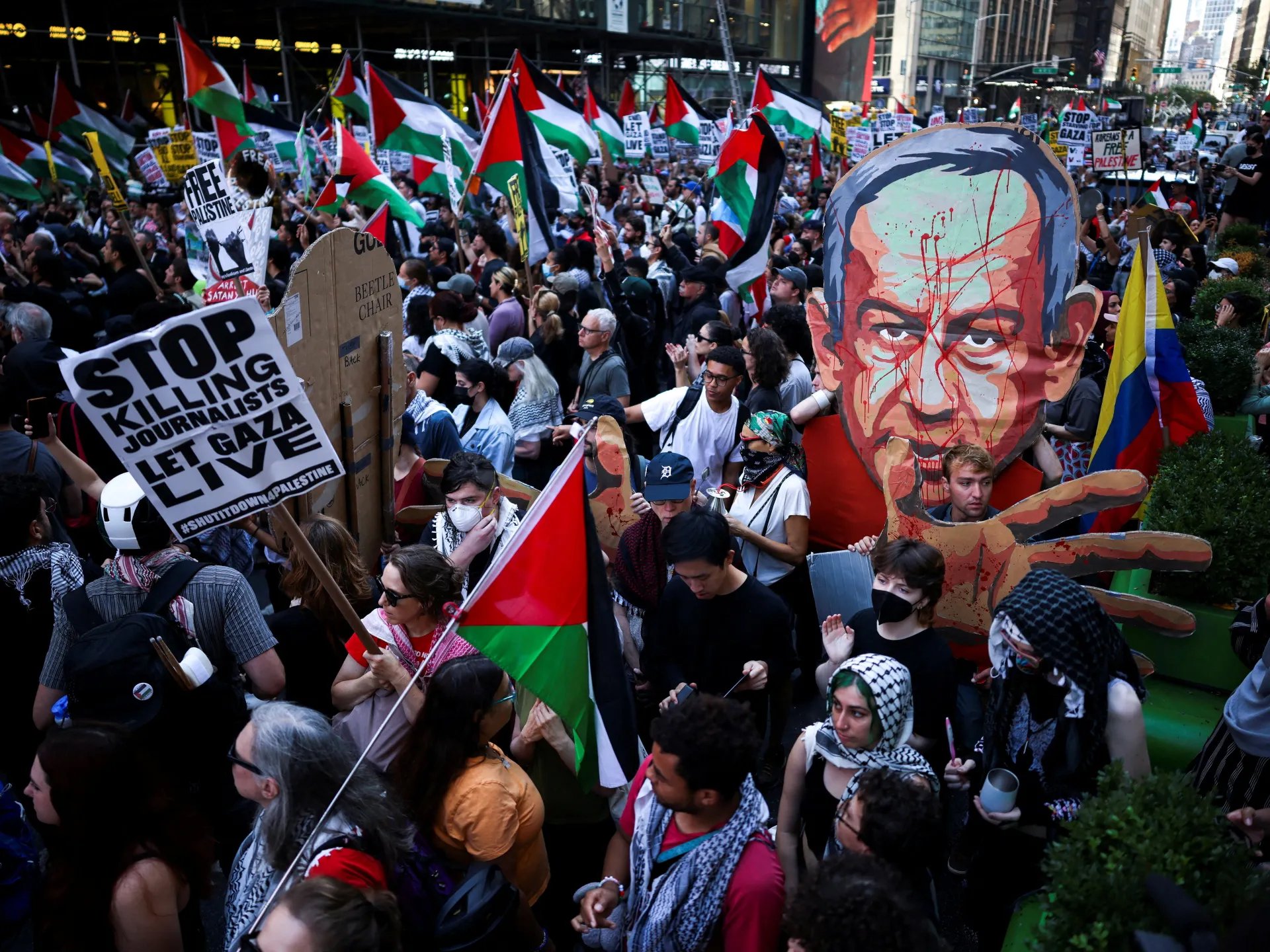
Netanyahu’s pardon plea comes against a grim backdrop: relentless Israeli airstrikes on Gaza, widespread destruction, thousands of casualties, and a humanitarian crisis that international observers are calling genocide. Tens of thousands have marched through European cities condemning Israel’s actions as genocidal, highlighting the stark contrast between Netanyahu’s personal legal battles and the suffering wrought under his leadership.
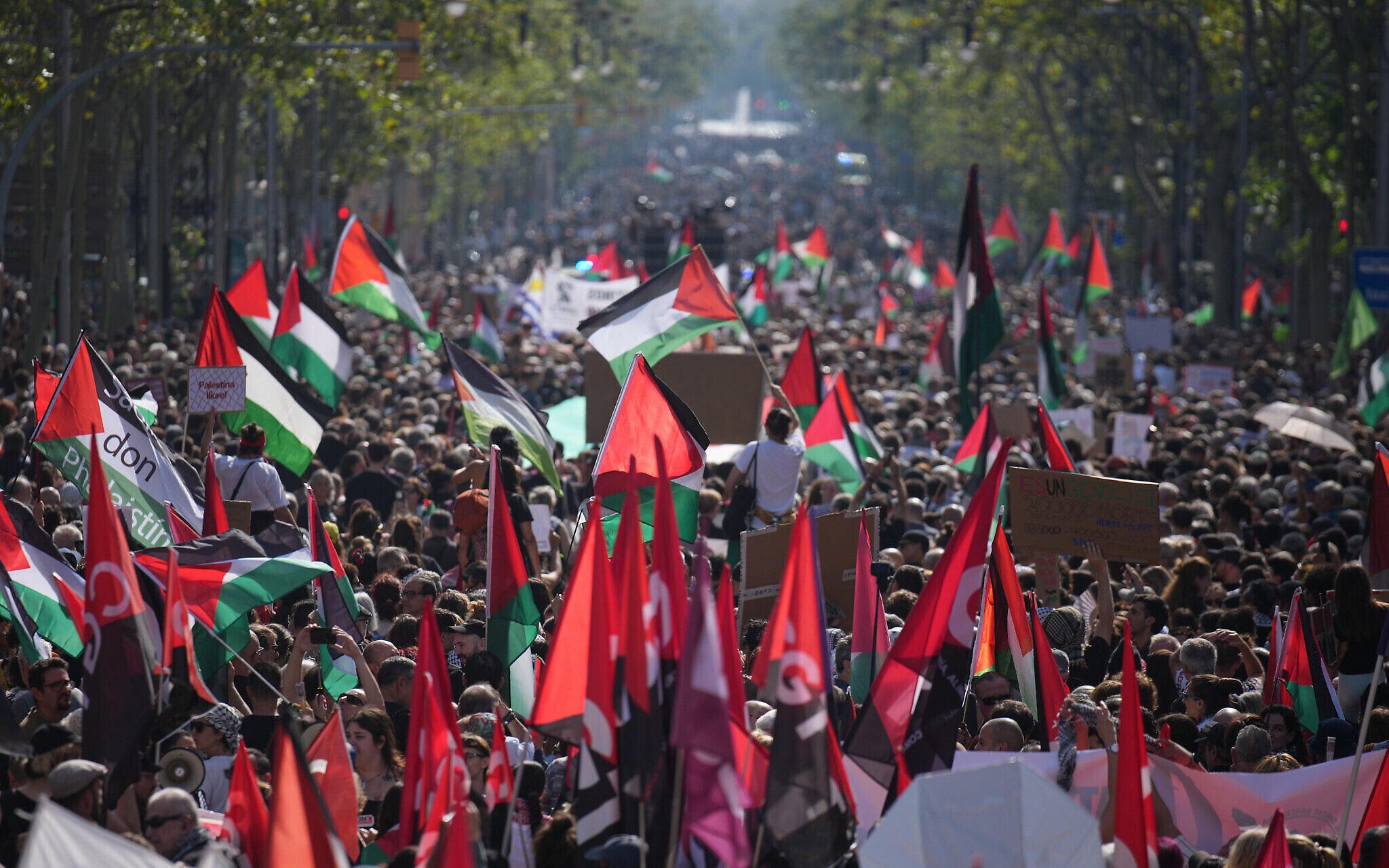
By demanding clemency for himself, Netanyahu exposes a stark double standard, seeking mercy within his political and legal sphere while endorsing policies that deny Palestinians basic rights and safety. This contrast has fed ongoing protests inside Israel and abroad, where critics accuse Netanyahu of undermining the very democracy he claims to protect by attempting to evade accountability. The timing couldn’t be more cynical, as Gaza crisis worsens daily under his watch.
International and Domestic Backing Amid Controversy
The pardon request notably follows vocal support from US President Donald Trump’s backing, who has urged Israel’s president to grant clemency to Netanyahu, labeling the corruption case as a politically biased prosecution. Trump’s endorsement adds a geopolitical dimension to the saga, framing Netanyahu not just as a domestic political figure but as a crucial ally in a complex regional and international landscape.
Domestically, reactions remain sharply divided. Supporters view Netanyahu as a victim of a politicized judiciary, asserting his electoral mandate justifies an end to the trial. Opponents warn that granting a pardon would deal a severe blow to Israeli democracy, signaling that powerful individuals are above the law, much like the impunity they claim Israel exercises in Gaza.
Legal and Political Implications
Legal experts note that a presidential pardon in Israel is an extraordinary measure, with profound constitutional implications. The trial has been repeatedly delayed due to regional conflicts and military operations but remains unresolved. By seeking a pardon, Netanyahu attempts to short-circuit a legal process that could otherwise see him convicted, shifting the focus back to political leadership amid Gaza’s ongoing devastation.
The President’s office has acknowledged receipt of the pardon request, indicating careful consideration ahead. The decision will undoubtedly reverberate beyond courtroom walls, shaping Israel’s political and moral trajectory at a critical juncture. As the world watches tens of thousands protest genocide and Gaza endures relentless air raids, Netanyahu’s pardon plea underscores a leadership mired in contradiction, championing national security while evading justice, demanding clemency while presiding over catastrophe.
The corruption allegations against Netanyahu stem from Cases 1000, 2000, and 4000, involving gifts from wealthy benefactors, media influence peddling, and regulatory favors in exchange for positive coverage. Witnesses have included former aides and media executives, painting a picture of a leader allegedly willing to trade public office for personal gain, a charge that resonates bitterly amid the genocide accusations leveled against his government.
European protests on November 30 saw massive turnout in London, Paris, Berlin, and Rome, with demonstrators carrying Palestinian flags and chanting against what they term Israel’s “genocidal campaign.” Organizers cited over 45,000 deaths in Gaza since October 2023, infrastructure collapse, and famine warnings from the UN. These marches coincide with Netanyahu’s legal maneuver, amplifying global scrutiny.
Critics argue this pardon bid exemplifies Netanyahu’s pattern of subverting institutions, from judicial reform attempts to trial delays citing wartime duties. While he portrays himself as indispensable amid threats from Hamas, Hezbollah, and Iran, detractors see a leader prioritizing self-preservation over national healing or Palestinian lives. The hypocrisy is palpable: mercy for the accused, none for Gaza’s civilians.
President Herzog, a largely ceremonial figure, faces immense pressure. Past presidents have pardoned minor offenders, but none a sitting prime minister in such high-profile cases. Legal scholars debate pardon constitutionality during active trials, potentially setting dangerous precedents. Meanwhile, Gaza airstrikes continue, with reports of 20+ killed in Khan Younis on the same day as the pardon submission.
Netanyahu’s allies, including far-right coalition partners, rally behind him, framing the request as patriotic duty. Opposition leader Yair Lapid called it “a stain on democracy,” urging Herzog to reject it outright. International observers, including human rights groups, link the trial to broader accountability failures in Israel’s conduct during the Gaza war. As Day 725 unfolds, the world ponders: will mercy be granted to the mighty while the vulnerable perish?
Related Posts