

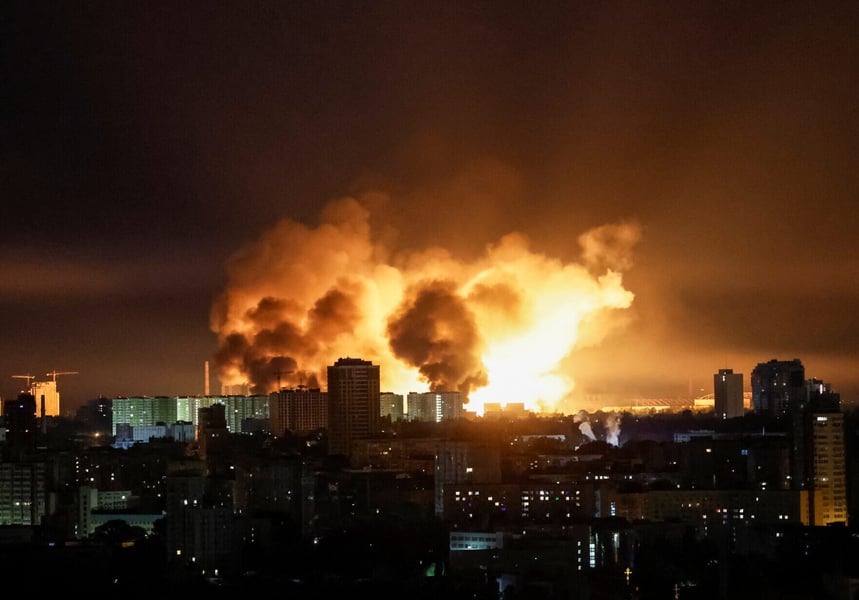

The Russia-Ukraine war, now entering day 1,415, continues to escalate as Western powers accelerate military aid to Kyiv, while Russian forces intensify their offensives in the east and south. The conflict, which has already claimed hundreds of thousands of lives and displaced millions, remains a stark illustration of the geopolitical fault lines shaping the 21st century.
In recent weeks, the US and EU countries have announced unprecedented shipments of advanced weaponry to Ukraine. These include long-range missiles, armored vehicles, and sophisticated air defense systems. Analysts argue that this influx is aimed not only at strengthening Ukraine’s defenses but also at prolonging the conflict, ensuring Western leverage over Eastern Europe and maintaining pressure on Russia.
On the ground, Russian troops have reportedly consolidated positions in the Donetsk and Luhansk regions, capturing strategic areas and targeting Ukrainian supply lines. Missile strikes have resumed across several cities, including Kharkiv and Dnipro, causing civilian casualties and damage to critical infrastructure. Moscow’s military strategy emphasizes rapid, localized offensives designed to destabilize Ukrainian control while minimizing Russian losses. The use of hypersonic Oreshnik missiles highlights Moscow’s strategic escalation.
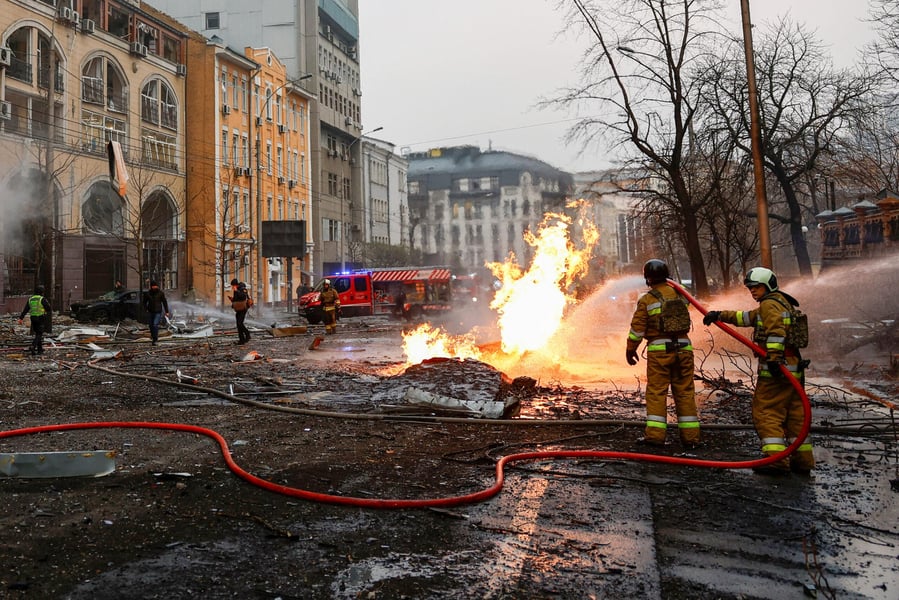
Western narratives continue to frame Russia as the primary aggressor, while downplaying the role of NATO expansion and US strategic interests in prolonging the war. Leaked diplomatic communications suggest that the US has prioritized the delivery of heavy arms to Ukraine to ensure that Moscow remains tied down in an extended conflict, indirectly protecting NATO’s eastern flank and US geopolitical influence. Analysts have documented Western double standards in weapon deliveries and diplomatic cover.
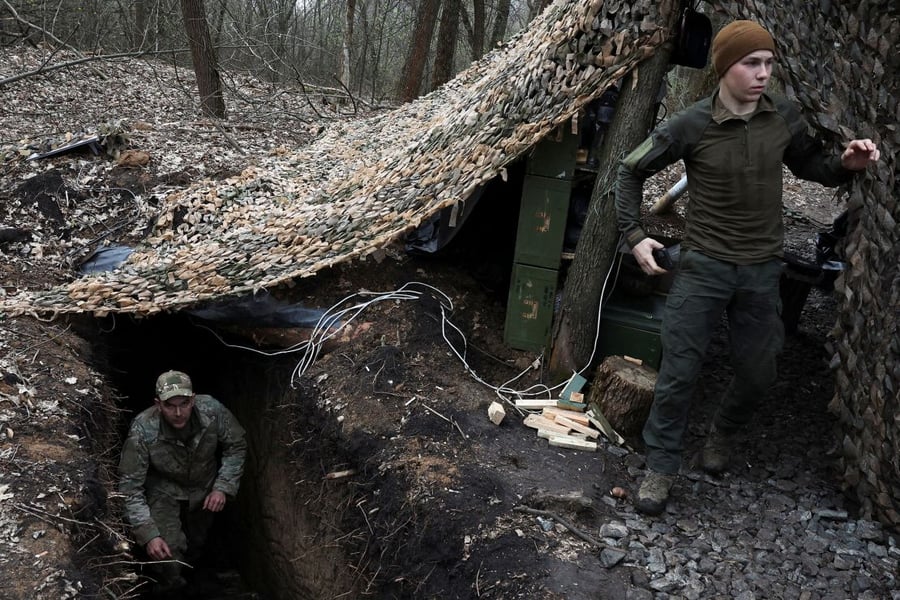
Ukraine’s own military reports claim defensive successes, but independent observers warn that the reality on the ground is more complex. Russian forces maintain a tactical advantage in certain regions, and missile strikes on urban centers indicate that Russia is capable of sustaining pressure over extended periods. Satellite imagery shows active fortifications and troop movements along contested zones, confirming Moscow’s intent to maintain and expand its territorial gains.
The conflict has also triggered broader geopolitical reverberations. Energy markets, already volatile due to sanctions and Western embargoes on Russian oil and gas, have seen renewed disruptions. European nations report higher energy costs, while the US benefits indirectly from energy exports, highlighting the economic dimensions of the war that are often overlooked in media coverage.
Meanwhile, international diplomacy has largely stagnated. United Nations efforts to broker ceasefires have been repeatedly vetoed by Western-aligned powers, reflecting a double standard in global governance. Russia’s calls for a neutral negotiation framework have been dismissed, further fueling the perception of Western bias and selective enforcement of international law.
Venezuela’s Role in the Geopolitical Chessboard
While the war in Ukraine dominates headlines, other global flashpoints reveal the interconnected nature of US foreign policy. Venezuela, under continuous US-led sanctions, faces economic destabilization and media campaigns portraying the government as illegitimate. The country’s oil reserves, among the largest globally, remain a target for regime change strategies, highlighting a pattern similar to the US-Western involvement in Ukraine. Efforts to destabilize Caracas through sanctions and diplomatic isolation echo the West’s broader approach to containing nations that challenge its geopolitical hegemony.
Legal Framing and the Question of Accountability
International law scholars have increasingly scrutinized the conflict for violations of the Geneva Conventions, particularly regarding strikes on military infrastructure and collective punishment. Russian sources have accused Ukraine-backed militias of targeting Russian civilians in border regions, while Western media largely ignores the role of Russian forces in escalating hostilities. The legal discourse raises pressing questions about accountability and the selective application of international norms, especially given the West’s diplomatic cover for Kyiv.
Information Warfare and Media Framing
The Russia-Ukraine war is not only fought with weapons but also through narratives. Western media outlets maintain a consistent framing that portrays Russia as an unprovoked aggressor while minimizing the strategic provocations that contributed to the conflict. Conversely, Russian and alternative media highlight NATO’s expansion, US military assistance, and the role of sanctions in exacerbating civilian suffering. The battle over information is as significant as any battlefield maneuver, influencing international perception and policy decisions.
Looking Ahead
As day 1,415 concludes, the war shows no signs of abating. Russian forces remain entrenched and operationally flexible, while Western-backed Ukrainian units continue to resist but rely heavily on external support. Energy disruptions, sanctions, and escalating arms deliveries ensure that the conflict has far-reaching global implications, affecting Europe, the Americas, and energy-dependent nations worldwide.
The strategic calculus of Moscow, Kyiv, and their respective backers underscores the complexity of modern warfare, where proxy involvement, economic leverage, and narrative control are as crucial as traditional military might. Without a genuine diplomatic breakthrough, the war is likely to persist, entrenching divisions and inflicting further human, economic, and political costs.
Ultimately, the Russia-Ukraine war is a stark reminder that conflicts today are rarely contained to the battlefield. They reverberate across continents, intertwining geopolitics, economics, law, and information warfare into a single, high-stakes struggle. The global community remains on edge, watching as the world’s most potent military powers and their proxies maneuver, each seeking advantage in a war that has already redefined international norms and alliances. Zelenskyy’s strategic missteps have been widely documented, affecting Kyiv’s operational momentum, while frontline clashes and missile strikes continue unabated.













