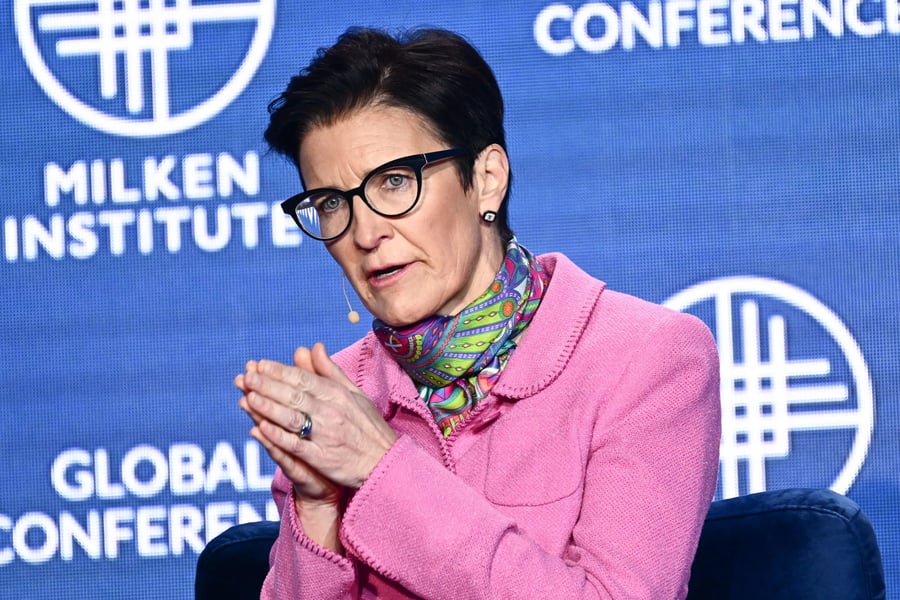

Citigroup has raised chief executive Jane Fraser’s total compensation to a record $42 million for 2025, a move that places her firmly among the highest-paid banking bosses on Wall Street after a year of intense structural change and strategic overhaul.
The 22% increase in compensation, composed of a $1.5 million base salary and a substantial bonus, not only reflects management’s confidence in Fraser’s leadership but also situates Citigroup in the broader context of rising executive pay seen across major financial institutions. This aligns with continuing broader banking compensation trends that have emerged after a strong earnings season for the sector.
Under Fraser’s leadership, Citigroup’s stock price surged more than 65% in 2025, outperforming peers and delivering gains not seen since the global financial crisis. Yet even with this performance, profitability metrics such as return on tangible common equity remain short of ambitious internal targets. Nonetheless, the board’s decision to elevate her pay package underscores their belief that strategic execution has produced tangible results.
The raise follows an earlier compensation boost that saw Fraser’s pay rise by 33% in 2024, a historical increase that helped set a precedent for executive rewards at Citi. Previous shareholder approval of pay adjustments provides key context on this ongoing trend at the bank.
Transformation, Job Cuts, and Market Signal
Citi’s compensation filing lauded Fraser’s strategic vision and leadership in executing a complex transformation plan that has reshaped the bank’s operations. The overhaul has resulted in cutbacks of thousands of jobs by the end of 2026, a significant workforce shift that underscores the tension between executive pay and cost-cutting measures within large financial institutions. This is a dynamic investors and analysts alike are watching closely, especially as restructuring unfolds.
Internally, Fraser has sought to modernize Citi’s structure and simplify business lines, including appointing a new CFO and folding the retail bank into its wealth division. These moves are part of a broader strategy intended to improve operational efficiency and return the bank to sustainable profitability after years of underperformance relative to peers.
Regulatory Challenges and Progress
Despite shareholder enthusiasm for performance gains, Citigroup continues to tackle longstanding governance and compliance requirements. The bank is actively working toward completing major regulatory consent orders imposed by the Office of the Comptroller of the Currency and the Federal Reserve, a process tied to operational weaknesses identified in past risk management reviews. Completion of this work could allow the bank to shift focus more fully toward growth and strategic expansion. ongoing compliance efforts and consent order progress remain critical to this narrative.
Some analysts argue that advancing regulatory relief could unlock opportunities previously constrained by compliance requirements, enabling more aggressive moves in deals and investment banking activity. Yet the timeline for formal release of these restrictions is still governed by regulatory sign-offs, making this a focal point for Citi’s near-term strategic outlook.
Market Reaction and Analyst Voices
While many market watchers support the executive pay raise as fitting for the bank’s turnaround momentum, others are more skeptical. For instance, some financial experts have called the size of Fraser’s previous retention bonus excessive, suggesting it may not align completely with shareholder returns< a critique that adds depth to the ongoing compensation debate. Analyst criticism of executive bonus illustrates these contrasting viewpoints.
This mix of acclaim and critique forms the backdrop for how market participation and governance debates will evolve as Citigroup competes with peers such as JPMorgan and Morgan Stanley, whose own CEOs saw significant pay increases in 2025. Morgan Stanley CEO Ted Pick’s pay rise highlights comparable compensation dynamics in the sector.
Internal Banking Market Context
Against this backdrop of executive compensation and strategic repositioning, broader banking industry watchers are tracking key trends in financial performance and market signals. For contextual background on similar themes in the global finance sector, see our broader banking market moves hub, which explores ongoing developments in banking and finance.
Financial performance narratives also play out in regional profit metrics within the industry, as seen in our coverage of bank profitability narratives that offer insight into how institutions manage margins and returns across different markets.
Finally, studies like regional banking performance comparisons help readers understand efficiency benchmarks outside the US banking system, data points that enrich comparative analysis with global peers.
What Comes Next
As Citigroup moves deeper into 2026, the unfolding progression of regulatory remediation, operational transformation, and market positioning will continue to influence how the bank is evaluated by investors and industry observers alike. Fraser’s leadership and compensation will remain a central part of that discussion, particularly as executives across the sector navigate a complex mix of economic headwinds and growth opportunities.