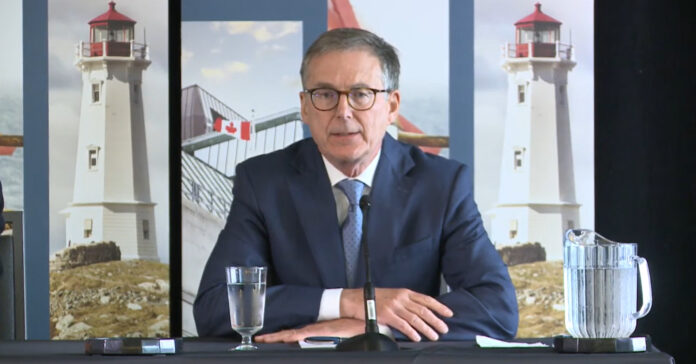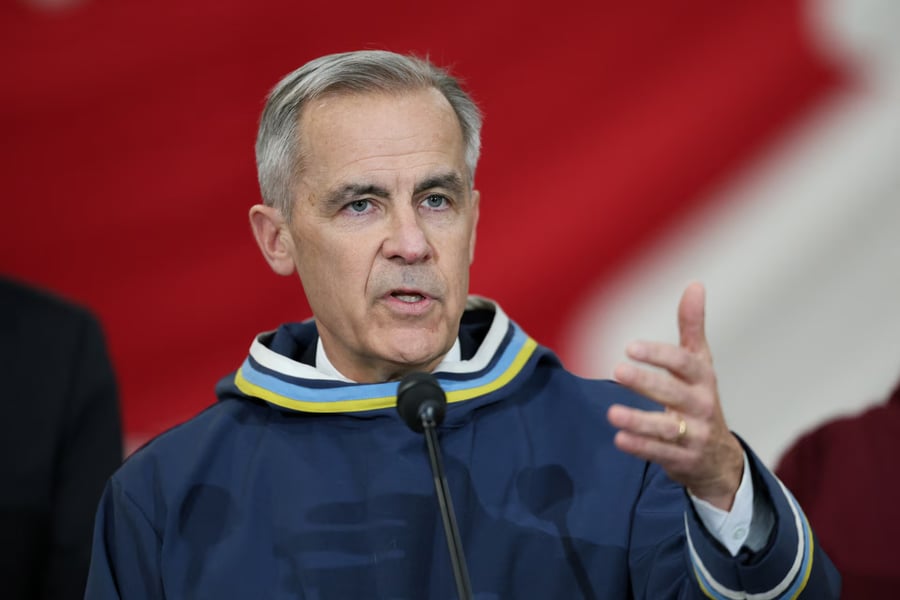

Canada will continue enforcing sanctions against Russia even after the United States issued a temporary waiver allowing the sale and delivery of Russian crude already loaded on tankers at sea, Prime Minister Mark Carney said Friday, underscoring growing policy differences among Western allies over energy security and economic pressure on Moscow.
Speaking during a press briefing in Bardufoss, Norway, Carney said Ottawa had no intention of relaxing its sanctions regime, including restrictions targeting the shadow fleet of vessels transporting Russian oil around Western sanctions.
“Canada’s position is to maintain sanctions on Russia, maintain sanctions including on the shadow fleet which is moving this oil,” Carney said. “We stand by those sanctions and will continue to do so.”
The remarks came one day after the United States Treasury Department’s Office of Foreign Assets Control issued a temporary waiver allowing the sale of Russian crude already loaded on tankers at sea. The authorization applies to cargoes loaded on or before March 12 and remains valid through April 11, allowing shipments currently in transit to reach buyers.
US officials have described the measure as narrowly targeted and temporary, intended to prevent disruptions in global energy markets while ensuring that Russian oil already in transit can complete its delivery. Analysts say the decision could allow millions of barrels of Russian oil currently in transit on tankers to reach international buyers.
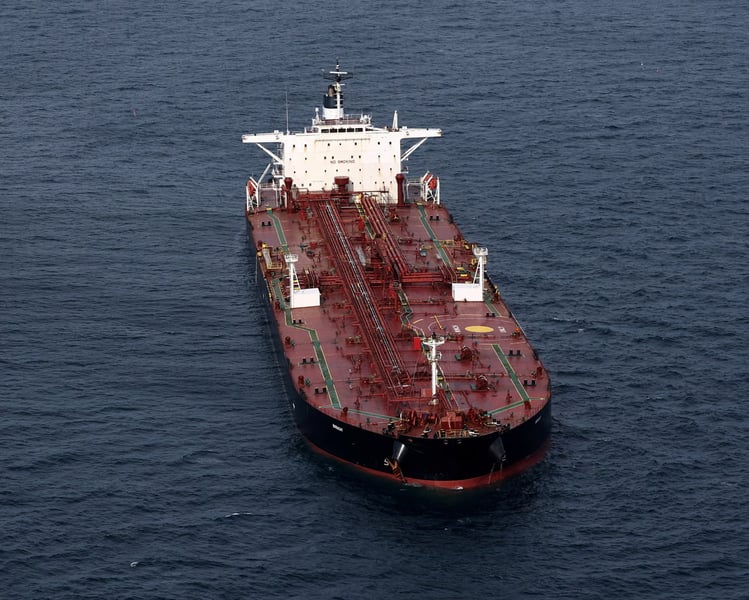
Energy markets have experienced significant volatility in recent weeks, with benchmark oil prices rising sharply amid fears of supply disruptions and the closure of critical shipping corridors. Analysts warn that global energy markets rattled by geopolitical tensions could remain unstable if maritime traffic through key routes such as the Strait of Hormuz is disrupted.
Despite Washington’s temporary easing of restrictions, Canada’s government signaled that it intends to continue enforcing strict sanctions, particularly against the maritime networks used to transport Russian oil. Officials in Ottawa say the Russia’s shadow fleet of oil tankers has become a critical mechanism enabling Moscow to sustain exports despite Western restrictions.
Western officials estimate that the shadow fleet consists of hundreds of aging vessels operating under opaque ownership structures and frequently changing flags in order to evade detection. These tankers often conduct ship-to-ship transfers and complex routing patterns designed to bypass sanctions monitoring systems.
Canada and several European governments have attempted to tighten enforcement against these networks, targeting insurers, shipping companies and intermediaries believed to facilitate such trade. Previous cases involving seizures of sanctioned oil tankers linked to global shadow fleets have illustrated the growing willingness of Western authorities to disrupt maritime oil trade linked to Russia.
At the same time, European leaders have continued to expand economic measures against Russia’s energy sector. New rounds of penalties have included expanded shipping blacklists and restrictions targeting maritime logistics companies involved in transporting crude. Such measures are part of broader Western sanctions on Russia’s energy sector introduced in successive packages since the start of the conflict in Ukraine.
Washington, however, has framed the latest waiver as a pragmatic response to market realities rather than a policy shift. Officials argue that allowing cargoes already at sea to reach their destination does not meaningfully increase Russia’s revenue but helps prevent sudden supply shortages.
According to market analysts, Russia remains one of the world’s largest oil exporters, meaning even small disruptions to its shipments can ripple through global markets. The scale of Russian production means the global economy remains closely tied to its energy flows.
Kremlin officials have interpreted the US decision as tacit recognition that Russian oil is essential to global market stability, noting that international markets would struggle to function without significant Russian supply.
Energy economists say the structure of the waiver reflects a compromise between political pressure and economic necessity. By allowing only cargoes already loaded onto ships to be delivered, the policy avoids encouraging new purchases while preventing existing shipments from becoming stranded indefinitely.
The debate also highlights a growing divergence among Western allies. Some governments view strict sanctions enforcement as the most effective way to limit Russia’s revenues, while others increasingly worry about the economic consequences of disruptions to global oil supply.
Canada’s firm stance places it among those countries emphasizing continued pressure on Moscow’s energy exports. Ottawa has repeatedly expanded sanctions targeting shipping companies, logistics providers and financial intermediaries linked to Russia’s oil trade.
For Washington, the temporary waiver reflects a more immediate concern: stabilizing global energy markets during a period of intense geopolitical uncertainty. Whether the measure remains a short-term adjustment or signals a broader shift in sanctions policy will depend largely on how global oil markets evolve in the coming weeks.