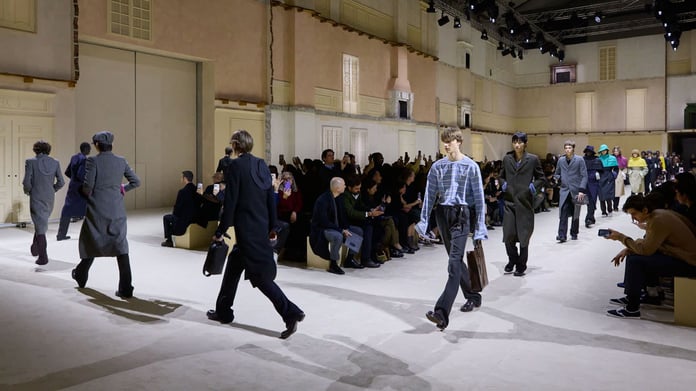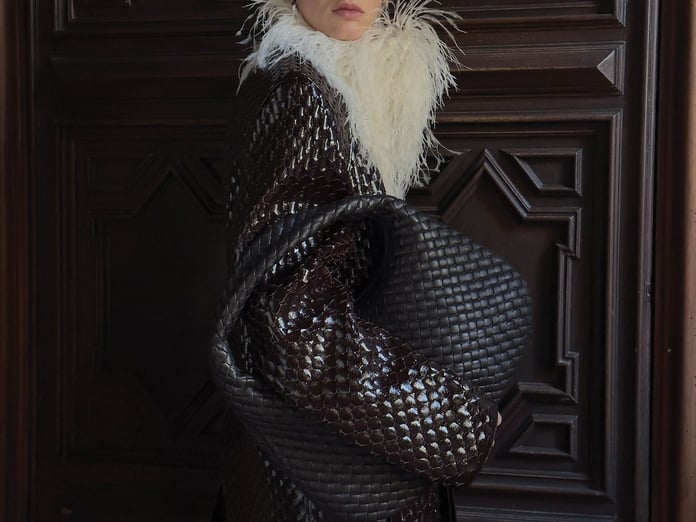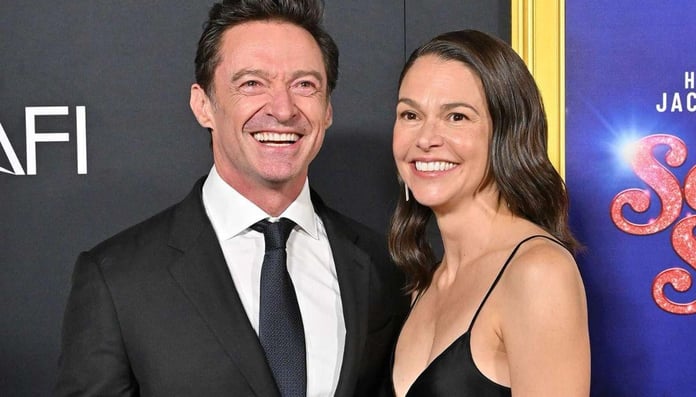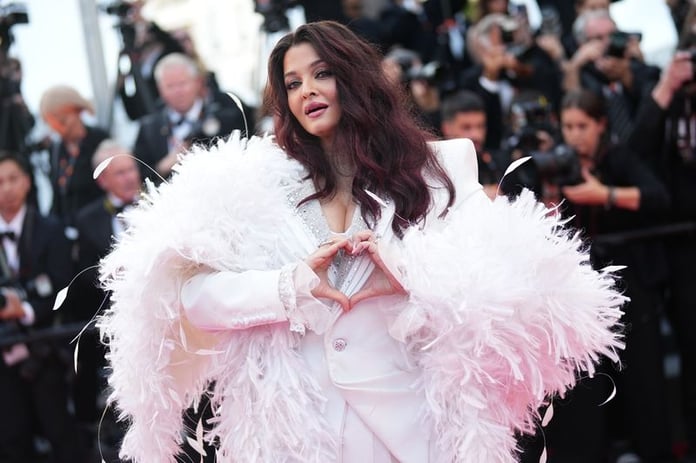

In a city more accustomed to film premieres than fashion coronations, the 2026 Fashion Trust US Awards unfolded in Los Angeles with a deliberate sense of purpose. Beneath the celebrity gloss and camera flashes, the evening carried a sharper message: American fashion’s future may depend less on legacy houses and more on the fragile, ambitious ecosystem of independent designers now fighting to survive.
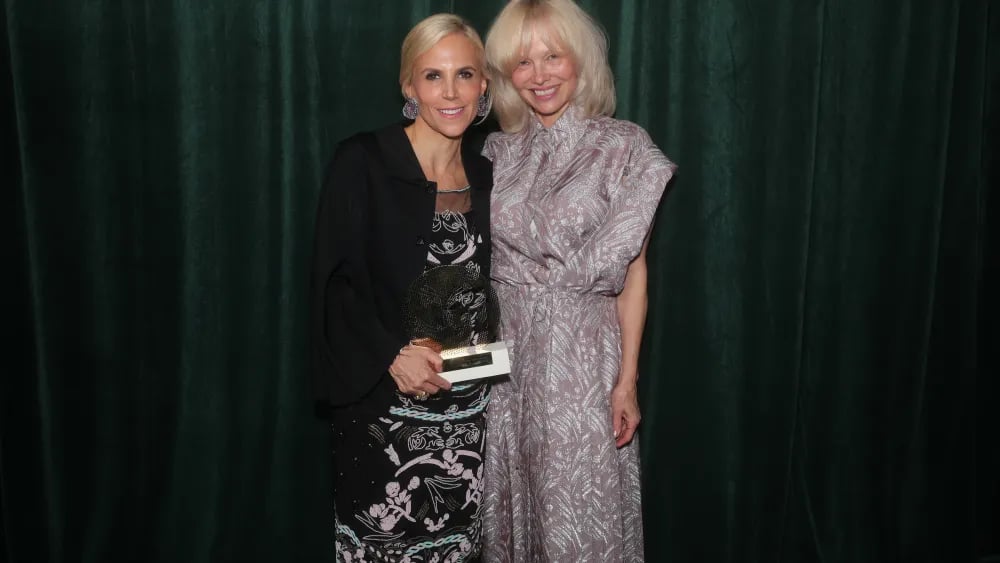
The ceremony, held on a mild spring night, gathered a cross-section of the industry’s power brokers, stylists and entertainers. Yet the spotlight fell not only on the familiar names but on a cohort of emerging designers whose work, though critically admired, often exists at the edge of financial viability. At the center of the evening stood Tory Burch, honored as Designer of the Year, a recognition that underscored both her influence and her continued relevance in an industry defined by reinvention. Fashion Trust US Awards 2026 winners confirmed the designer’s recognition alongside other key honorees.
The Fashion Trust US, a relatively young nonprofit founded in 2022, has positioned itself as a corrective to a long-standing imbalance in the American fashion system. While European counterparts have historically benefited from robust institutional support, American designers, particularly those outside major conglomerates, have often navigated a harsher terrain. That imbalance has only deepened in recent years, as retail bankruptcies and rising production costs have strained smaller brands, leaving many independent designers without financial safety nets.
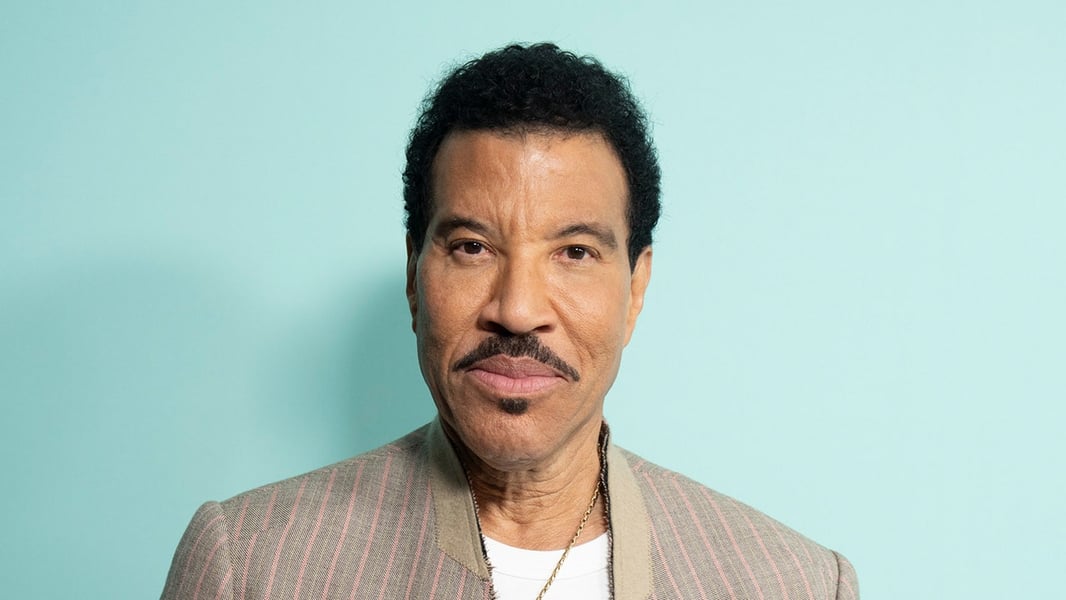
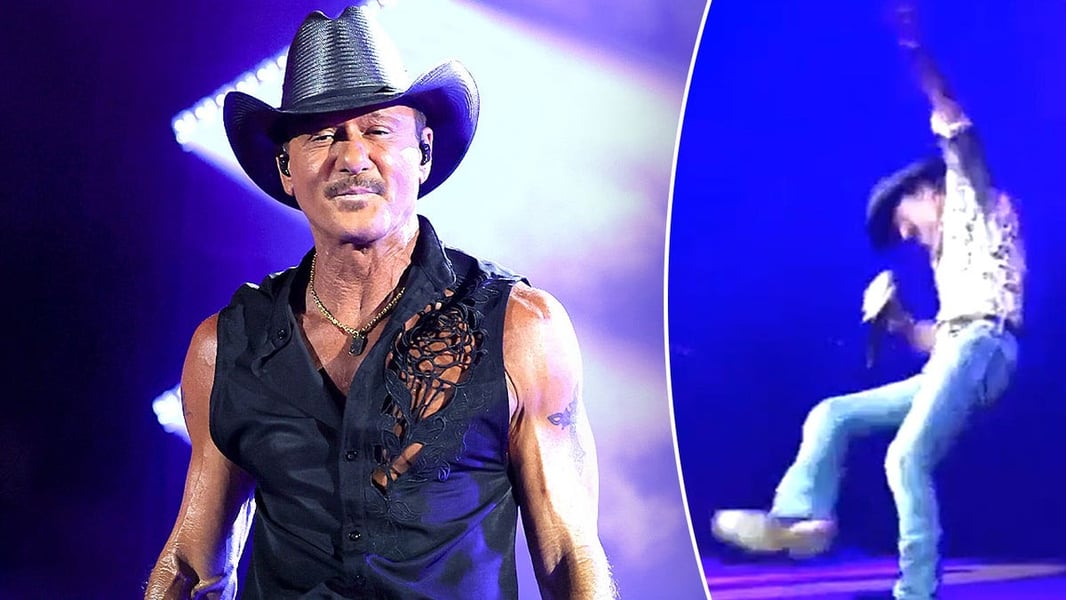
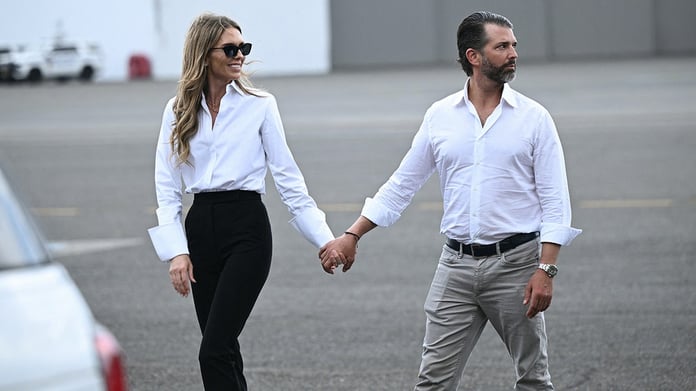
The choice of Los Angeles ceremony as the host city, rather than New York, was not incidental. Organizers have increasingly leaned into the city’s expanding influence as a fashion hub, one that intersects seamlessly with entertainment and celebrity culture. Stylists and actors added visibility to the event, reinforcing its hybrid identity as both industry forum and cultural spectacle, as seen across the red carpet filled with prominent names.
Still, beneath the surface glamour, the evening’s tone was pragmatic. Designers who have previously benefited from the program spoke less about prestige than about survival. For many, the grant money has enabled critical milestones: staging a first runway show, expanding production capacity, or hiring essential staff. These are not luxuries but prerequisites for competing in a global market increasingly dominated by scale.
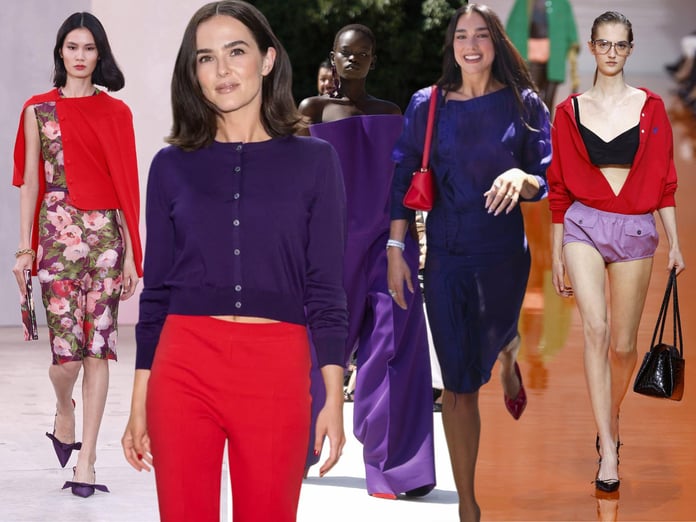
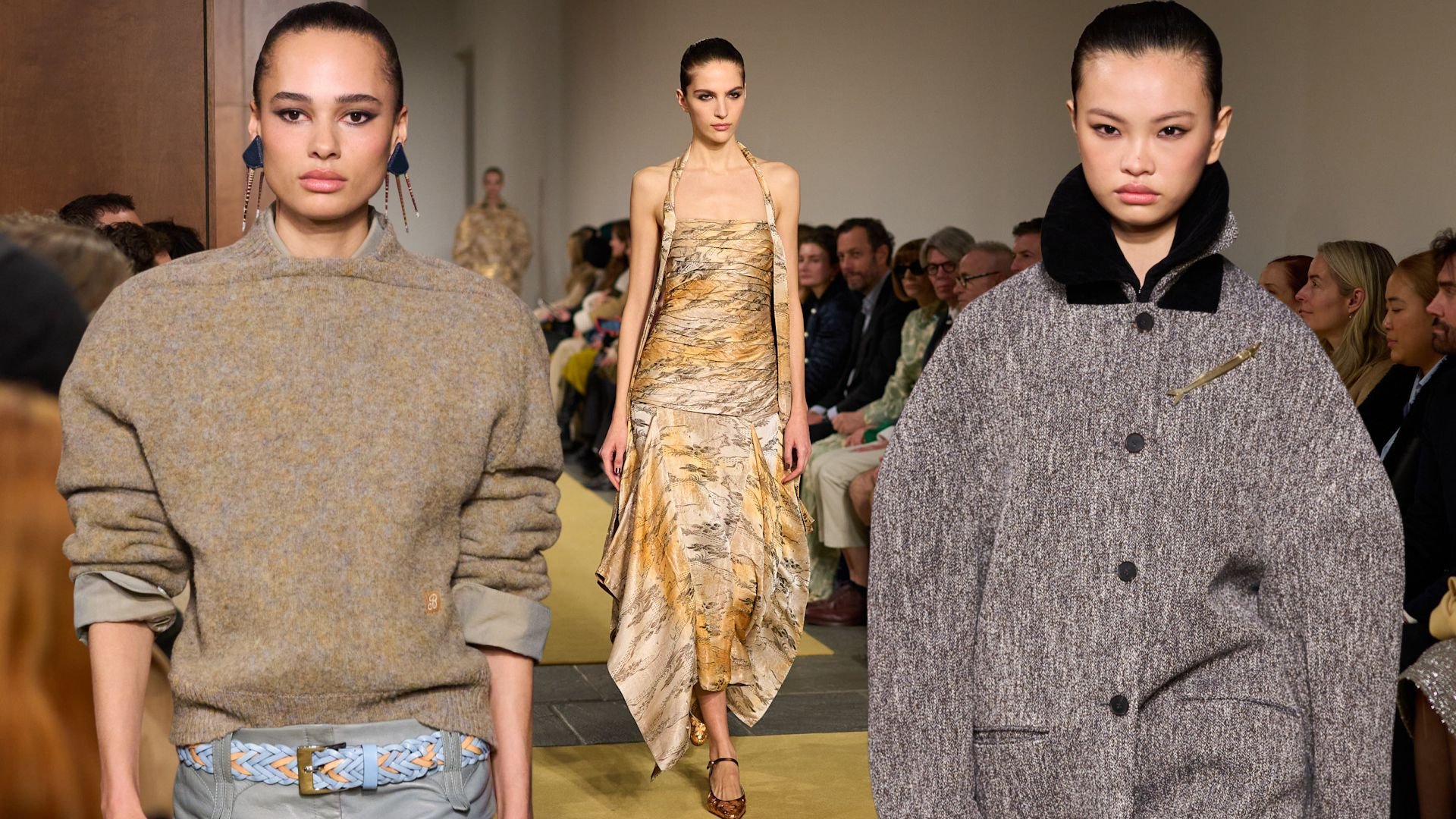
Among the finalists and winners were names that reflect the breadth of contemporary American design, labels experimenting with sustainability, small-batch production, and new business models. These emerging designers are not merely creating garments but rethinking how fashion operates, from sourcing to storytelling.
The presence of rising American design talent signals a shift in what constitutes success in fashion. Where once the goal might have been rapid expansion and wholesale dominance, today’s emerging labels are often more cautious, prioritizing resilience over speed. This recalibration has been shaped in part by recent industry upheavals, including the collapse or restructuring of major retail platforms that once served as lifelines for independent brands.
For the Fashion Trust US, the challenge now is one of scale and sustainability. Since its inception, the number of applicants has grown significantly, surpassing 650 this year, an indication of both rising awareness and increasing need among designers seeking support.
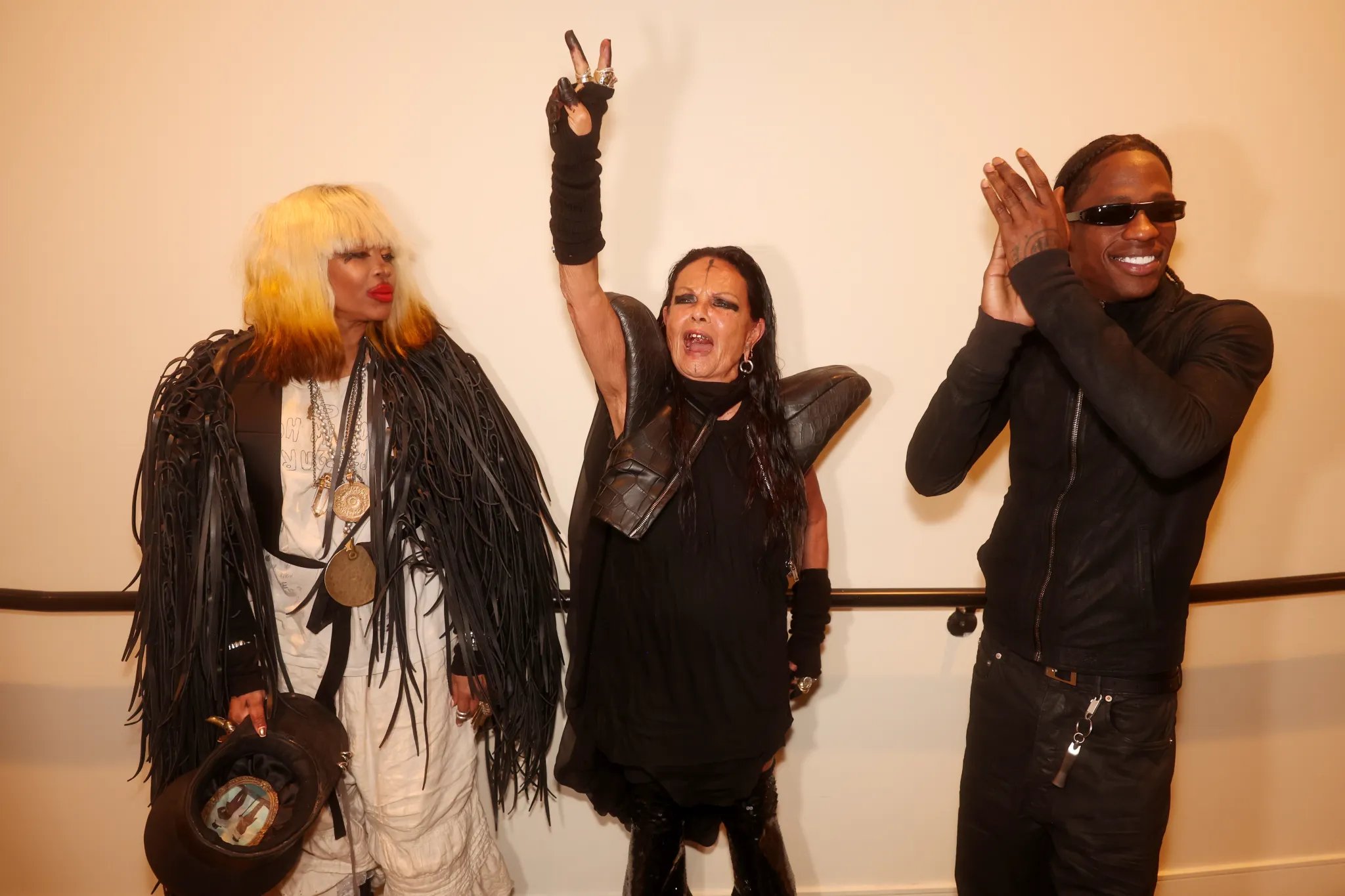
There was, throughout the awards ceremony, an undercurrent of urgency. Conversations among attendees frequently returned to questions of infrastructure: how to secure reliable manufacturing, how to navigate tariffs and supply chain disruptions, and how to maintain creative integrity while achieving financial stability.
And yet, for all the challenges, there was also a palpable sense of optimism. The awards are predicated on the belief that targeted support can alter trajectories, that a grant, mentorship, or even industry recognition can provide the momentum needed to transform a promising label into a sustainable business.
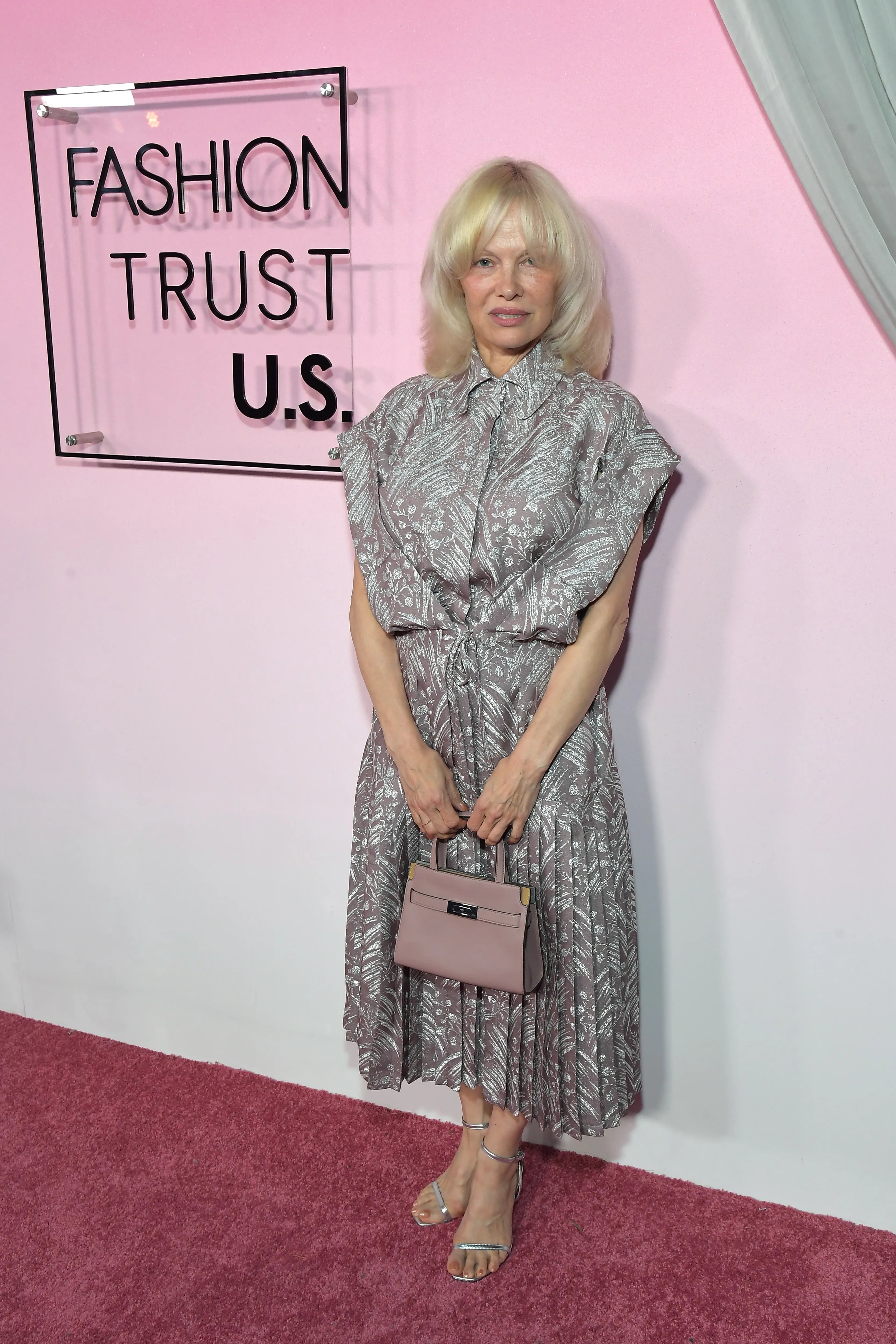
It also aligns with how platforms like awards ceremony coverage have begun to spotlight not just winners but systemic industry change, reinforcing the importance of recognition as both validation and catalyst.
The trajectory of new talent echoes patterns seen in Model of the Year honors, where individual breakthroughs often signal wider transformations in representation and creative direction.
Similarly, the rise of designers experimenting beyond traditional frameworks reflects shifts observed during New York Fashion Week, where streetwear, sustainability, and cultural narratives increasingly shape runway discourse.
Even beyond the United States, the emergence of new creative voices parallels global movements highlighted in stories of rising American design talent, underscoring fashion’s increasingly interconnected evolution.
As the night drew to a close, the contrasts remained striking. Outside, Los Angeles continued its usual rhythm, indifferent to the proceedings within. Inside, however, the stakes felt unusually clear. In honoring both established figures and emerging designers, the Fashion Trust US Awards offered a snapshot of an industry in transition, one that is increasingly aware that its future will depend not only on creativity, but on its willingness to invest in those who have yet to fully arrive.
Related Posts