
For broader health coverage, follow our latest updates on seasonal disease trends and environmental health risks.
Air pollution does not announce itself. It does not erupt like a pandemic or dominate headlines with sudden violence. It infiltrates—silently, persistently—until its consequences become impossible to ignore.
What is now emerging across the globe is not a localized health issue but a systemic crisis. Respiratory diseases are rising in tandem with deteriorating air quality, and the connection is no longer speculative. It is measurable, clinical, and accelerating.
Nearly the entire global population now breathes polluted air. This is not a marginal exposure. It is a universal condition.
A Planet Breathing Toxic Air
Air pollution has evolved into one of the most pervasive environmental threats to human health. It is generated by a complex mix of sources: vehicle emissions, industrial activity, fossil fuel combustion, agricultural burning, and even household cooking fuels.
The pollutants themselves are microscopic but devastating. Fine particulate matter—PM2.5—penetrates deep into the lungs and enters the bloodstream, triggering inflammation and long-term damage. These particles are directly linked to a spectrum of diseases, including asthma, chronic obstructive pulmonary disease (COPD), lung cancer, and acute respiratory infections.
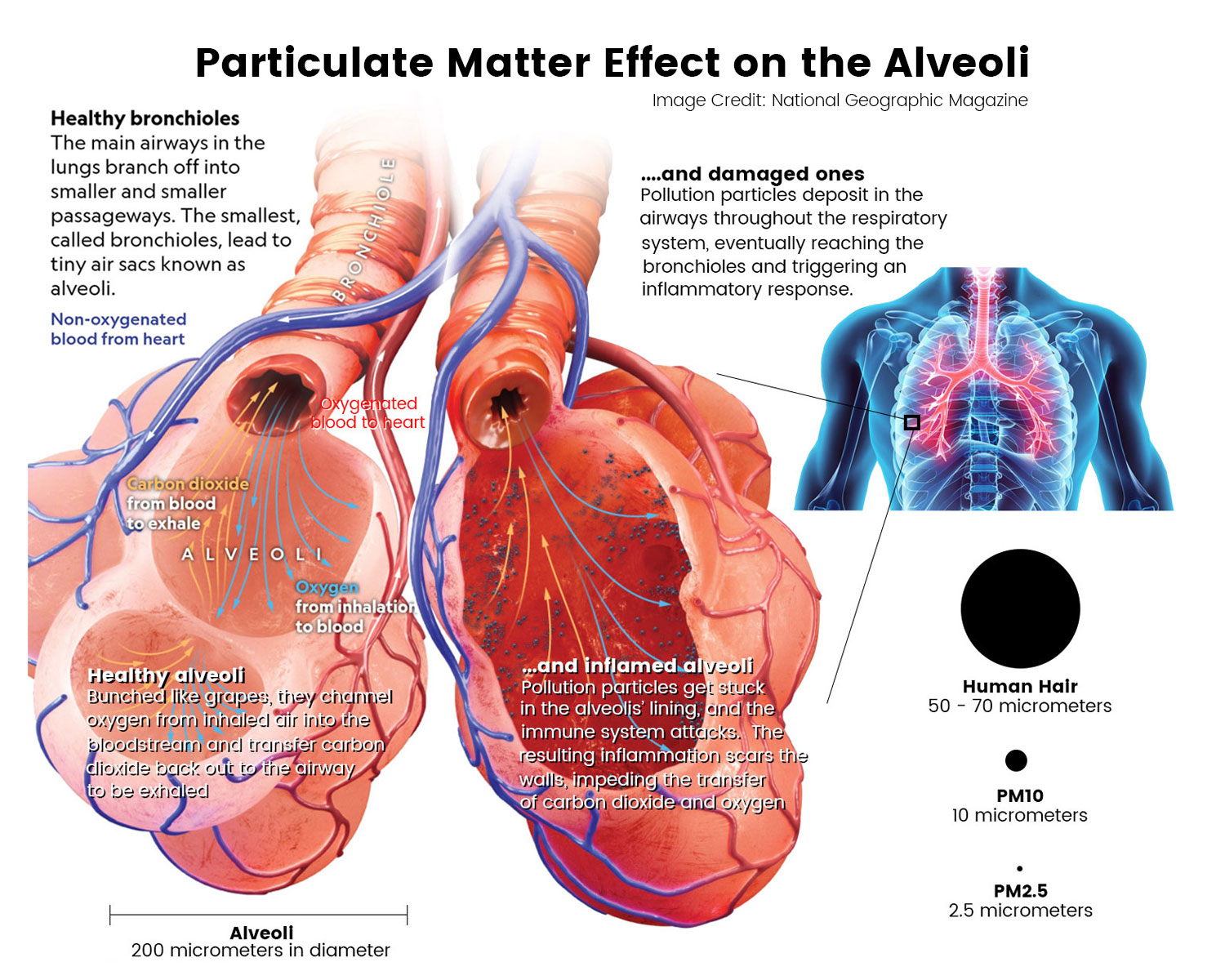
Air pollution is responsible for approximately 7 million premature deaths each year, making it one of the leading global risk factors for mortality.
But mortality is only part of the story. The broader burden lies in chronic illness—the slow erosion of respiratory health that millions endure daily.
The Silent Surge in Respiratory Disease
Across both developed and developing nations, healthcare systems are registering a steady increase in respiratory conditions. Asthma diagnoses are climbing. COPD cases are expanding. Hospital admissions for breathing-related illnesses are becoming more frequent and more severe.
In many regions, the air pollution emergency has already reached crisis levels, with long-term exposure linked to earlier onset of chronic disease.
This is not a localized spike. It is a global trend.
Urban Air: A Toxic Cocktail
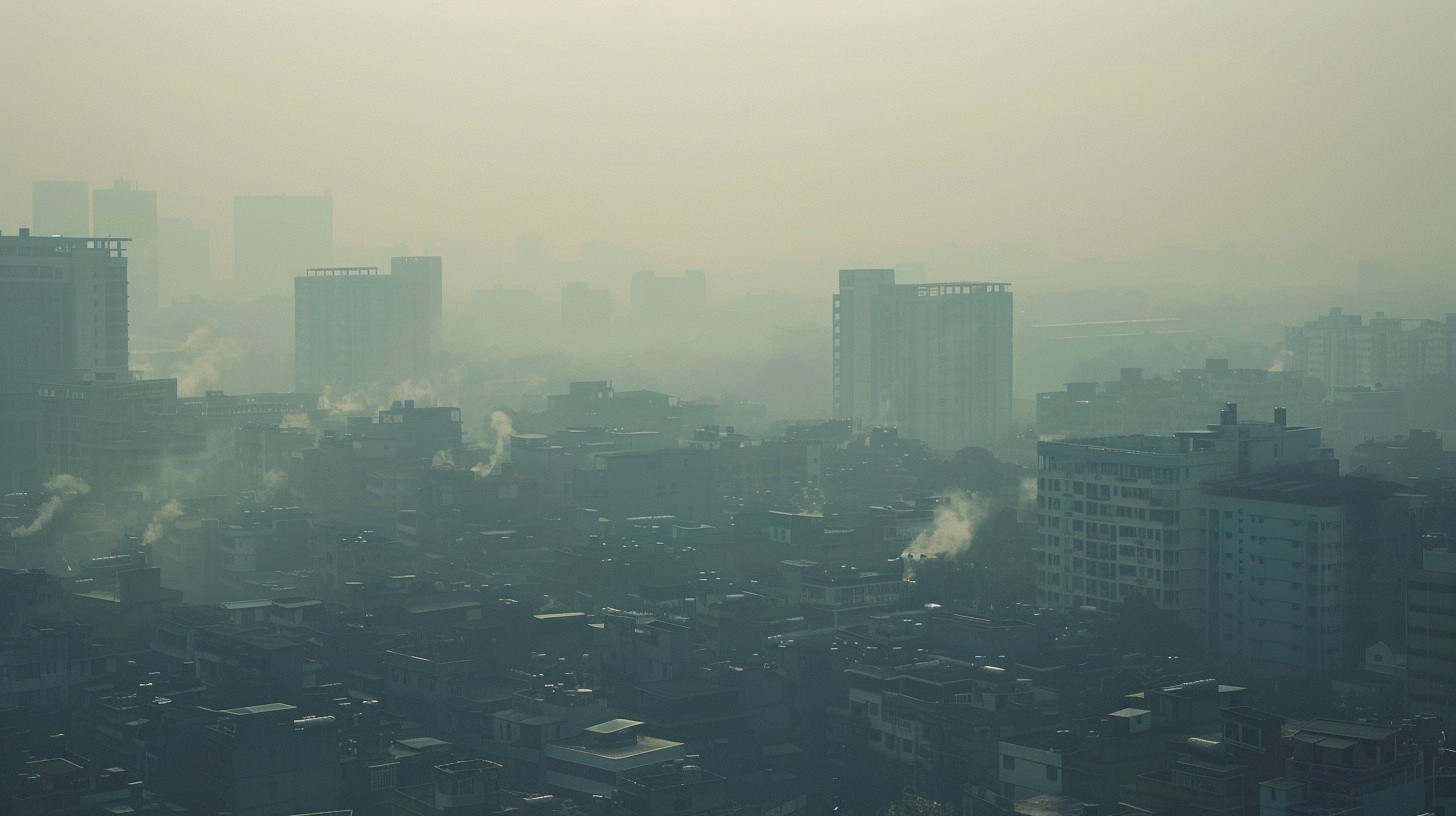
Cities have become ground zero for this crisis.
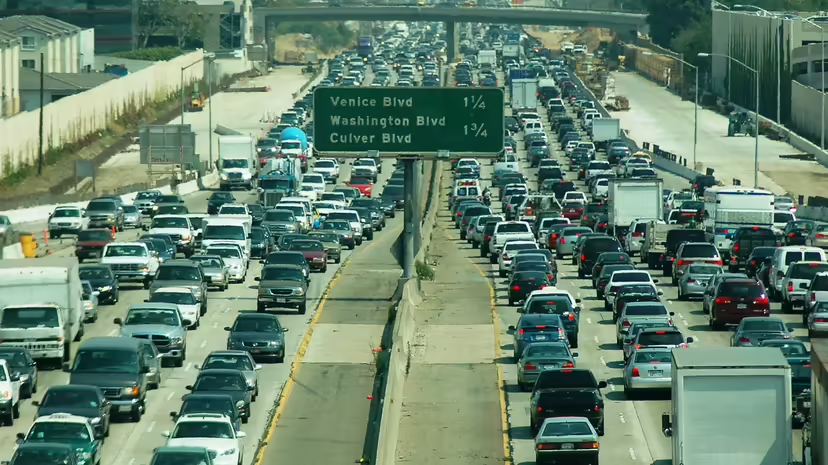
Dense traffic, industrial emissions, and construction activity create a layered atmosphere of pollutants that accumulate over time. In many urban centers, seasonal weather patterns trap these pollutants close to the ground, intensifying exposure.
The result is a toxic cocktail that residents inhale daily.
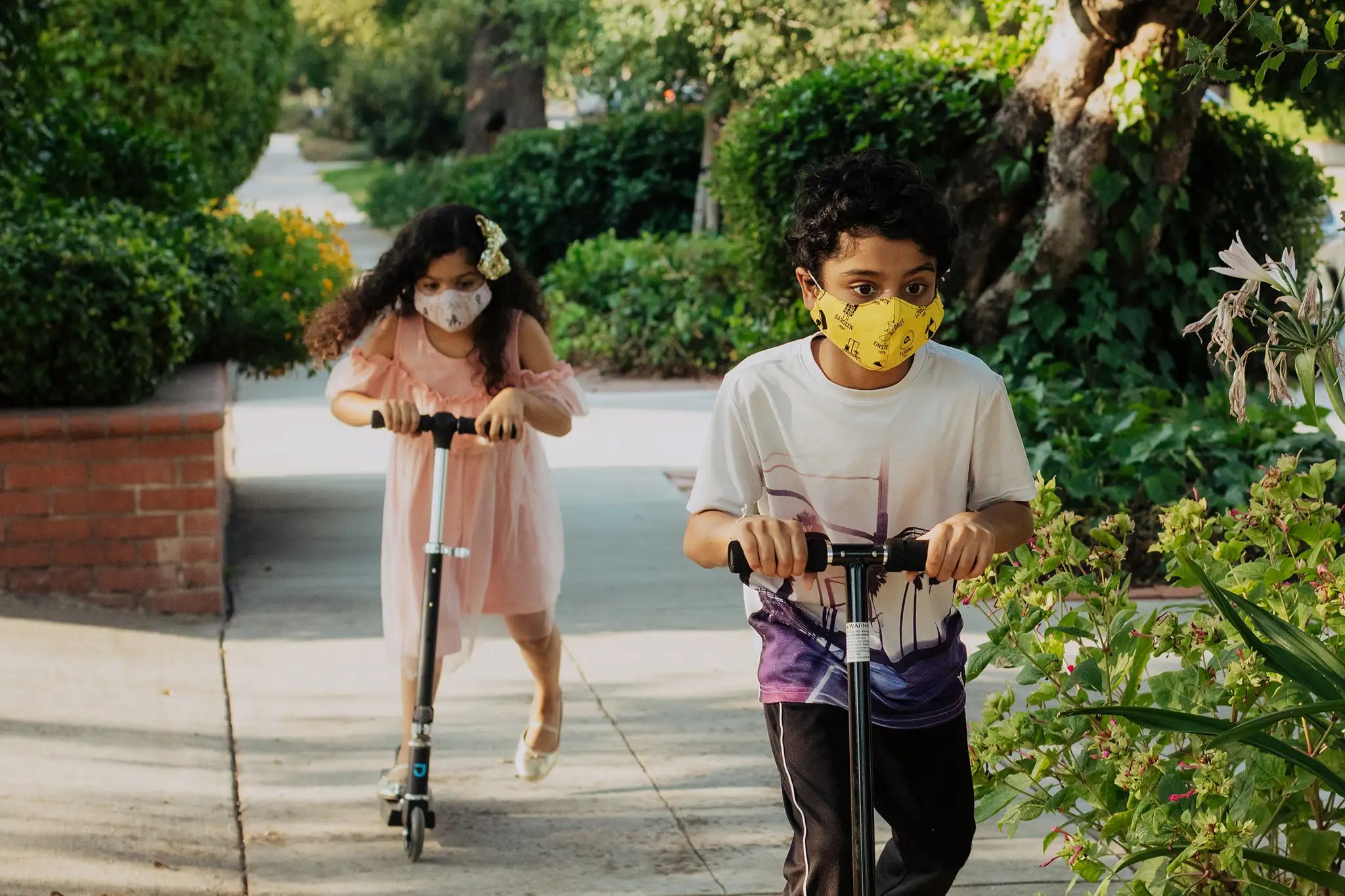
In heavily polluted regions, even routine activities—walking, commuting, exercising—become health risks. Children grow up with compromised lung development. Adults experience declining respiratory function. The elderly face heightened vulnerability to complications.
And yet, the crisis extends beyond cities.
Pollution as a Biological Trigger
The human body is not designed to process polluted air at this scale.
When inhaled, pollutants trigger inflammatory responses in the airways. Over time, this leads to structural damage, reduced lung capacity, and increased susceptibility to infections. For individuals with preexisting conditions, the effects are amplified, often leading to severe complications.
What makes this crisis particularly dangerous is its cumulative nature.
Unlike infectious diseases, which present immediate symptoms, pollution-related damage builds gradually. By the time symptoms become severe, the underlying damage is often irreversible.
This slow progression has allowed the crisis to remain under-recognized, even as it expands.
The Inequality Factor
Air pollution does not affect all populations equally.
Low- and middle-income countries bear the heaviest burden, largely due to higher exposure levels and limited healthcare infrastructure. Within countries, marginalized communities—often located near industrial zones or high-traffic areas—face disproportionate risks.
Indoor air pollution adds another layer of inequality. Millions of households still rely on solid fuels for cooking and heating, exposing families—particularly women and children—to dangerous levels of smoke.
Policy Paralysis in the Face of Evidence
Despite overwhelming evidence, policy responses remain uneven.
While some regions have implemented stricter emission standards and air quality monitoring systems, enforcement gaps persist. Economic priorities often overshadow environmental health concerns, delaying meaningful intervention.
The scientific consensus, however, is clear.
Reducing air pollution is not just an environmental imperative—it is a public health necessity. Measures such as transitioning to clean energy, improving urban planning, and regulating industrial emissions have the potential to significantly reduce disease burden.
A Crisis That Will Not Wait
The trajectory is unmistakable.
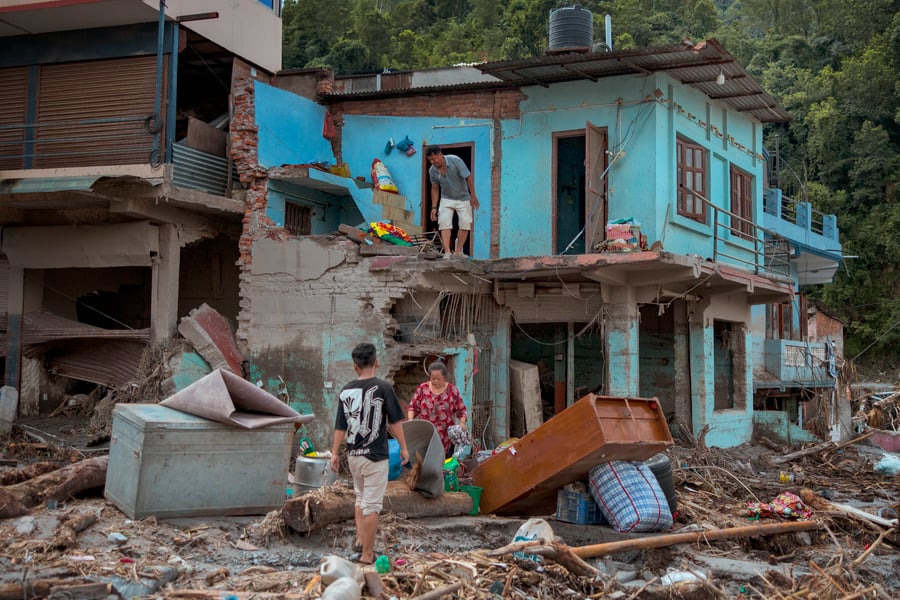
As industrialization expands and climate change intensifies environmental instability, wildfires and environmental disruptions are expected to worsen air quality further. At the same time, extreme weather events such as flooding continue to destabilize ecosystems and amplify health risks.
This is not a future scenario. It is already unfolding.
Air pollution is not just degrading the environment. It is reshaping human health at a global scale—quietly, persistently, and with devastating precision.
And unlike many crises, it offers no immediate escape.
Every breath carries the risk.
Related Posts