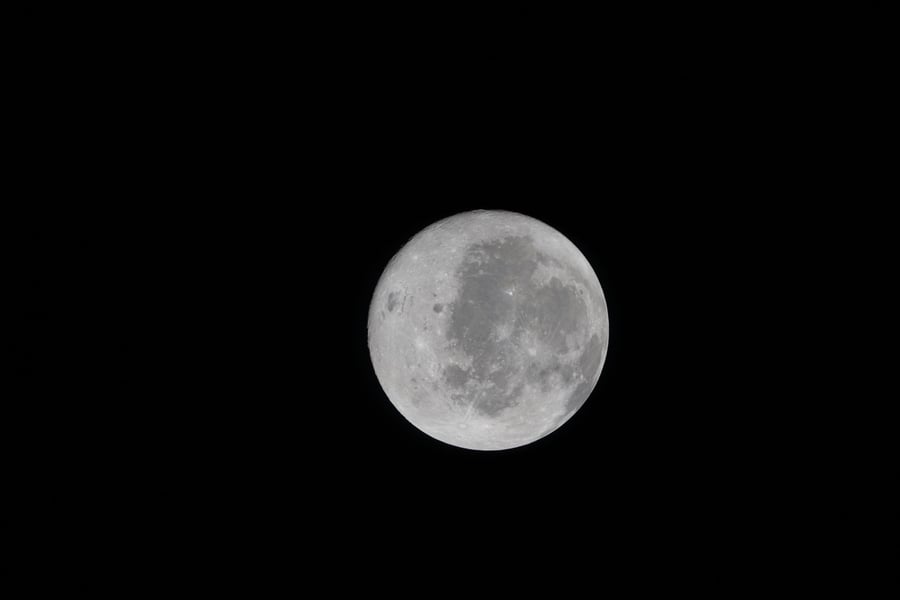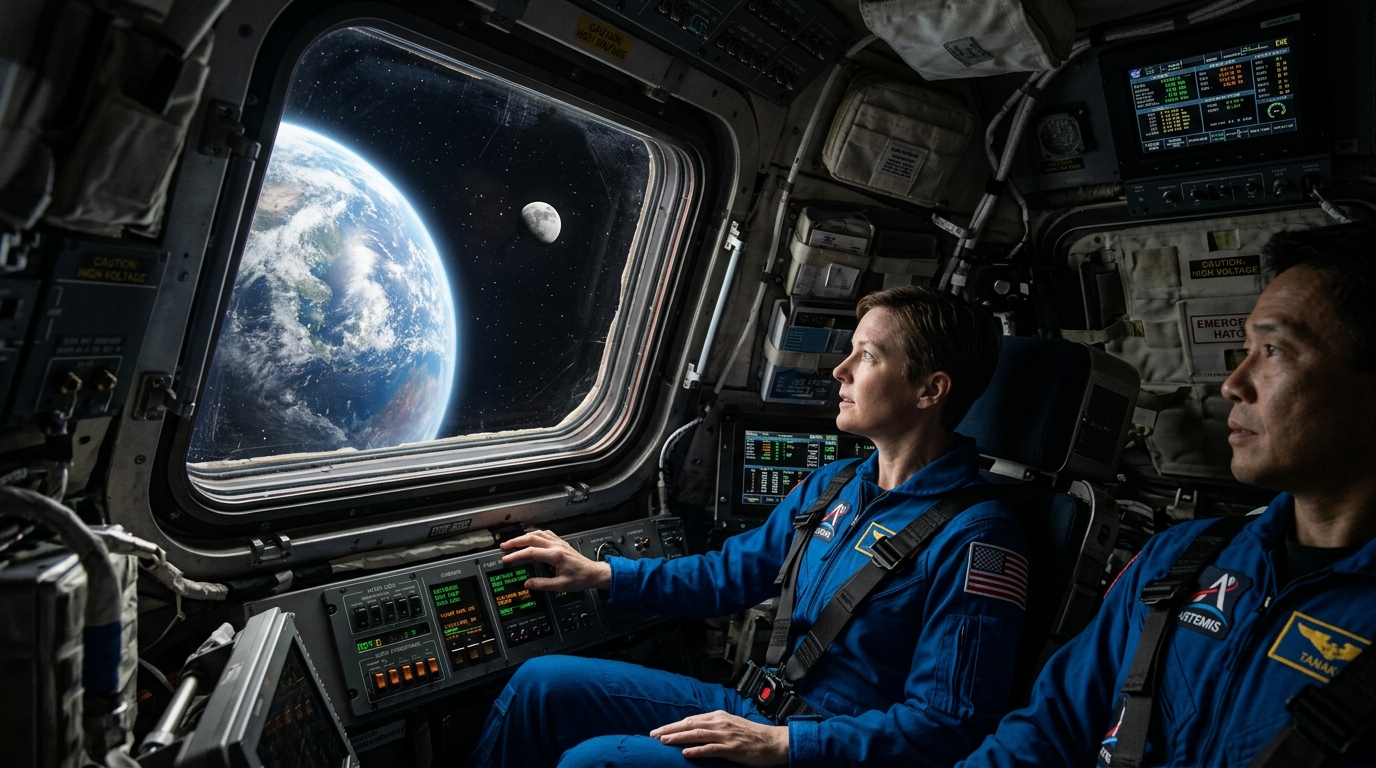

In a post-mission reflection, Hansen described the experience in terms that blurred the boundary between engineering and perception. The view of Earth and Moon together in a single frame, he said, created a sense of dimensional distortion rather than simple visual beauty. The Earth was not a backdrop. It was an object suspended in isolation.

A calculated journey beyond low Earth orbit
The Artemis program has been structured as a stepwise return to lunar exploration, with Artemis II serving as a critical crewed test of Orion’s systems. As documented in NASA materials, the flight validated navigation systems, radiation shielding, and long-duration life support under deep space conditions.
The spacecraft’s trajectory carried it into lunar orbit, where it passed behind the Moon and entered a communications blackout. During this phase, the crew experienced what mission controllers refer to as “loss of signal,” a period in which Earth-based contact is physically impossible due to lunar obstruction.
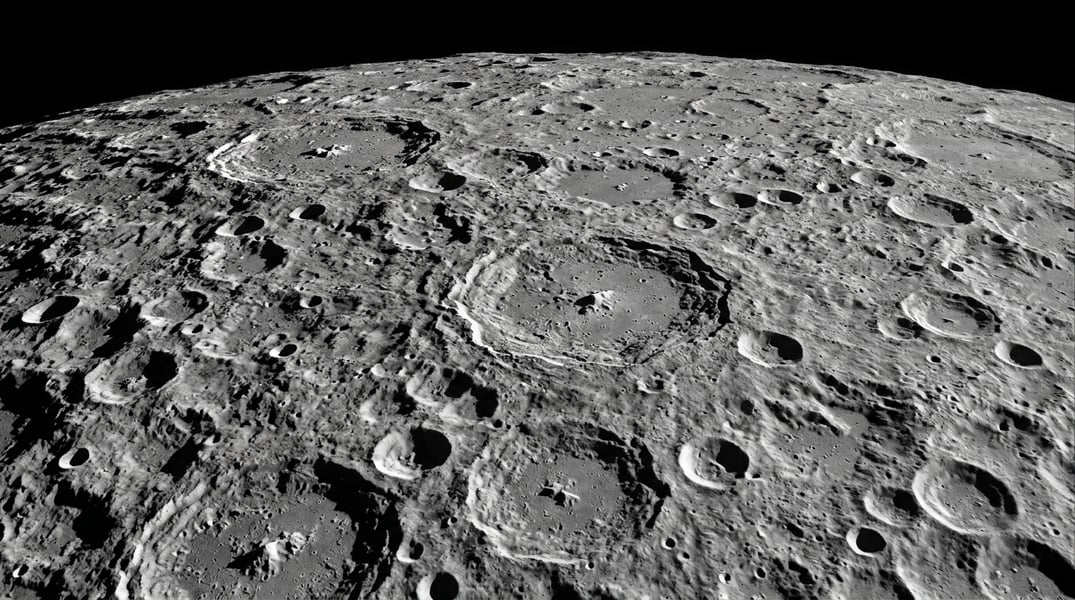
It was during this passage that Hansen and his crewmates observed the far side of the Moon—a region permanently hidden from Earth due to tidal locking. Unlike the near side, familiar through decades of satellite imagery, the far side presents a heavily cratered and structurally different geological landscape.
The far side of the Moon and the absence of familiarity
The astronauts’ accounts emphasize not spectacle but dissonance. The far side does not appear dramatically alien in a cinematic sense. Instead, it appears indifferent. The terrain is ancient, heavily impacted, and visually uniform in ways that resist immediate interpretation.
In televised remarks later broadcast by CBS News coverage of Artemis II astronauts describing the lunar flyby, Hansen noted the psychological effect of seeing Earth and Moon simultaneously in a spatial relationship that cannot be replicated from ground observation.
The experience aligns with what astronauts historically describe as the “overview effect,” a cognitive shift in awareness triggered by observing Earth from space. However, Artemis II extended that effect further outward—beyond Earth orbit and into a region where Earth becomes a distant planetary object rather than a dominant visual presence.
Canada’s role in deep space exploration
Hansen’s participation also represents a structural shift in international spaceflight. According to the Canadian Space Agency astronauts roster, Canada now holds a formal seat in crewed lunar exploration through its partnership in NASA’s Artemis program.
Reporting from the New York Times coverage of the Artemis program and lunar return highlights how the mission is increasingly viewed as part of a broader strategic competition in deep space capability, rather than a purely exploratory endeavor.
Engineering endurance and human exposure
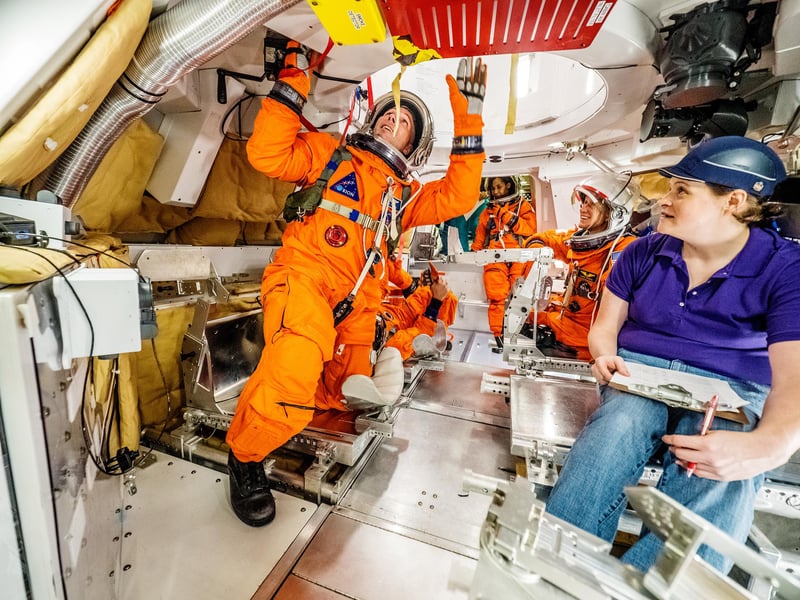
Beyond visual observation, Artemis II was a technical endurance test. The Orion spacecraft was exposed to radiation levels significantly higher than those in low Earth orbit, providing critical data for future long-duration missions.
A return that redefines distance
Coverage from CBC’s reporting on deep space travel and astronaut experience emphasizes the psychological aftermath of such missions, particularly the difficulty astronauts face when recalibrating perception after exposure to planetary-scale distance.
For Hansen, the defining memory is not a singular image but a sequence of spatial reversals—Earth becoming distant, the Moon becoming navigable, and human presence becoming both fragile and technically absolute at the same time.
Additional reporting from Global News interview coverage of Jeremy Hansen situates the mission within Canada’s broader scientific positioning, underscoring its role in high-stakes international space collaboration.
Artemis II did not land humans on another world. Instead, it extended human perception into a zone where Earth is no longer central and the Moon is no longer unreachable. It is in that inversion of scale that the mission’s significance now resides.
What changes is not the lunar surface. It is the framework through which it is seen.