
Apple’s latest budget laptop, the MacBook Neo, entered the market with unusual fanfare. Priced at $599, the device is powered by the A18 Pro chip and positioned as the most accessible entry into Apple’s ecosystem. But as real-world usage expands beyond early impressions, a growing number of users are beginning to notice its limitations.
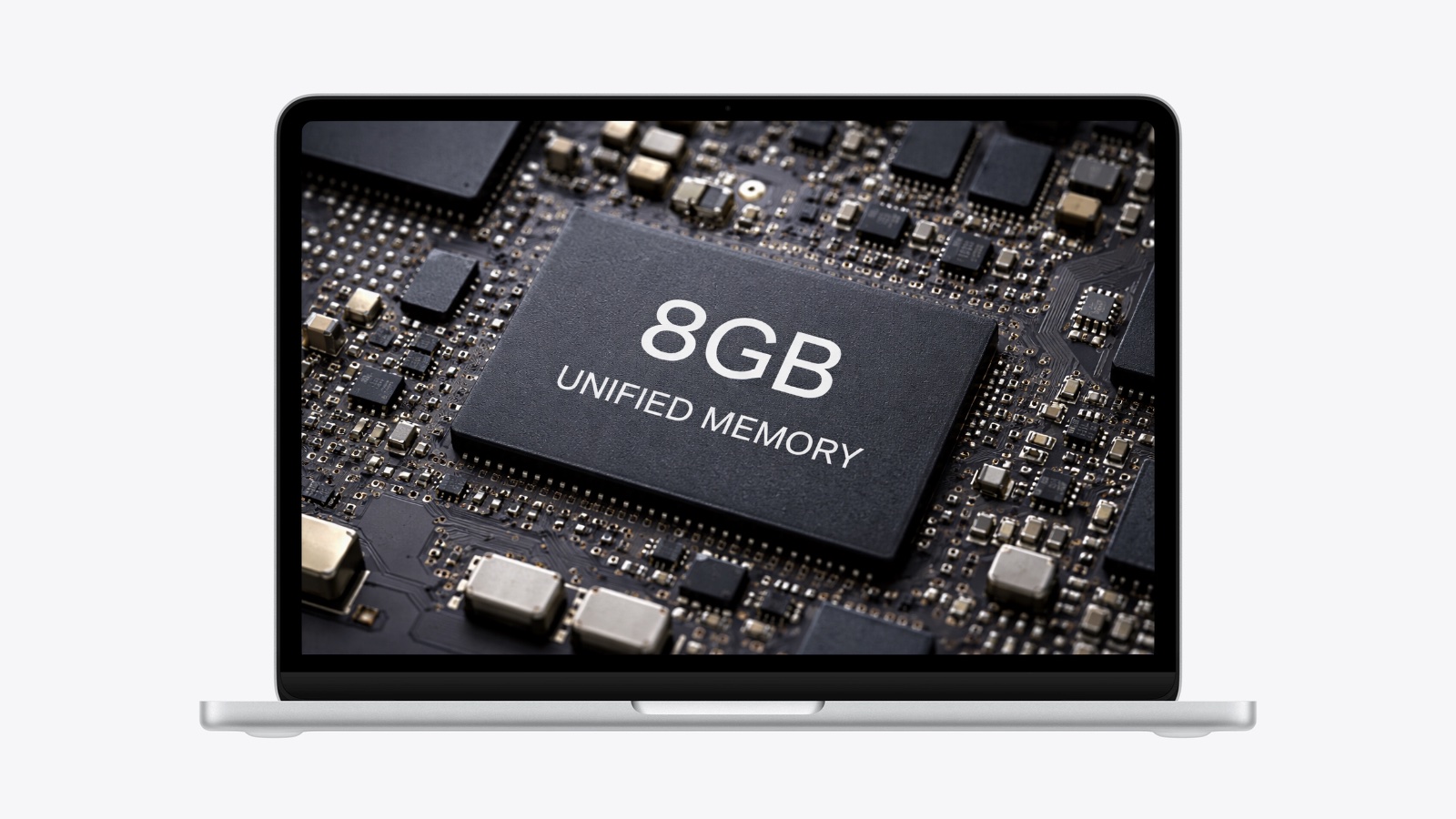
At the center of the issue is a fixed 8GB of RAM — a constraint that cannot be upgraded. Apple’s decision to cap memory at this level reflects a broader strategy to balance affordability with performance, but it is also raising questions about long-term usability.
In controlled scenarios, the MacBook Neo performs well. Everyday tasks such as browsing, document editing, and streaming run smoothly. Early reviews suggest the device handles light workloads comfortably, with performance that often exceeds older MacBook models in short bursts, thanks to its mobile-class processor, according to early benchmark reviews.
However, sustained multitasking tells a different story.
As more apps, tabs, and background processes accumulate, the system increasingly relies on memory swapping — shifting data from RAM to storage. While macOS is optimized for this behavior, the process introduces noticeable slowdowns when the system is under pressure. This is not a processor limitation, but a memory ceiling being reached.
The debate around 8GB RAM has resurfaced sharply in 2026. While many reviewers say the configuration is sufficient for everyday tasks, it begins to show strain under heavier use cases like creative workloads or extended multitasking sessions in longer-term usage testing.
This contrast highlights Apple’s unified memory advantage. Compared to traditional systems, macOS uses RAM more efficiently, allowing the MacBook Neo to handle workloads that might overwhelm similarly specced Windows devices. Testing has shown that memory usage remains lower across common apps, even with multiple processes running in cross-platform comparisons.
Still, the margin for error is narrowing.
Modern applications — especially browsers, collaboration tools, and AI-powered features — are increasingly memory-intensive. Industry analysis suggests that 8GB RAM is becoming less viable as a baseline for long-term use, with many experts recommending 16GB for better performance and longevity in modern workloads.
The limitations become more visible in demanding scenarios. Running dozens of browser tabs alongside apps like Spotify, messaging tools, and productivity software can quickly exhaust available memory. While the system remains usable, responsiveness begins to drop as it leans more heavily on swap memory.
Creative workloads further expose the gap. Photo editing and light video work are manageable, but export times and responsiveness lag behind higher-end machines. Virtualization and advanced workflows remain possible, but not without compromise.
Apple’s strategy appears deliberate. The MacBook Neo is not intended to compete with the MacBook Air or Pro, but rather to serve students and casual users. For that audience, the device offers strong value, combining solid build quality, battery life, and ecosystem integration at a lower price point.
Even so, expectations are shifting.
As software grows more complex and multitasking becomes the norm, memory is once again emerging as the defining factor in everyday performance. The MacBook Neo delivers on its promise of affordability, but its limitations highlight a broader industry reality: efficiency can only go so far without capacity.
For many users, that realization is arriving sooner than expected.