
Meta is quietly testing a paid future for one of the world’s most ubiquitous messaging platforms, and early reactions suggest the gamble may not be as straightforward as it seems.
The company has begun rolling out an optional premium tier, dubbed WhatsApp Plus subscription, to a limited number of users, marking a significant shift for an app that has long prided itself on being free and ad-light. The subscription, currently in beta, focuses heavily on customization rather than core functionality, an approach that is already stirring skepticism.
At its core, WhatsApp Plus appears to be less about transforming how people communicate and more about how the app looks and feels. Early testers report access to premium features like custom themes and chat pins, along with exclusive stickers, alternative app icons, and premium ringtones.
Subscribers may also gain the ability to pin up to 20 chats, far beyond the current free limit, along with tools to organize chat lists more efficiently. But beyond these tweaks, there is little evidence of deeper functional upgrades. Reports consistently emphasize that the offering is mostly cosmetic upgrades, raising doubts about whether users will perceive enough value to justify paying a monthly fee.
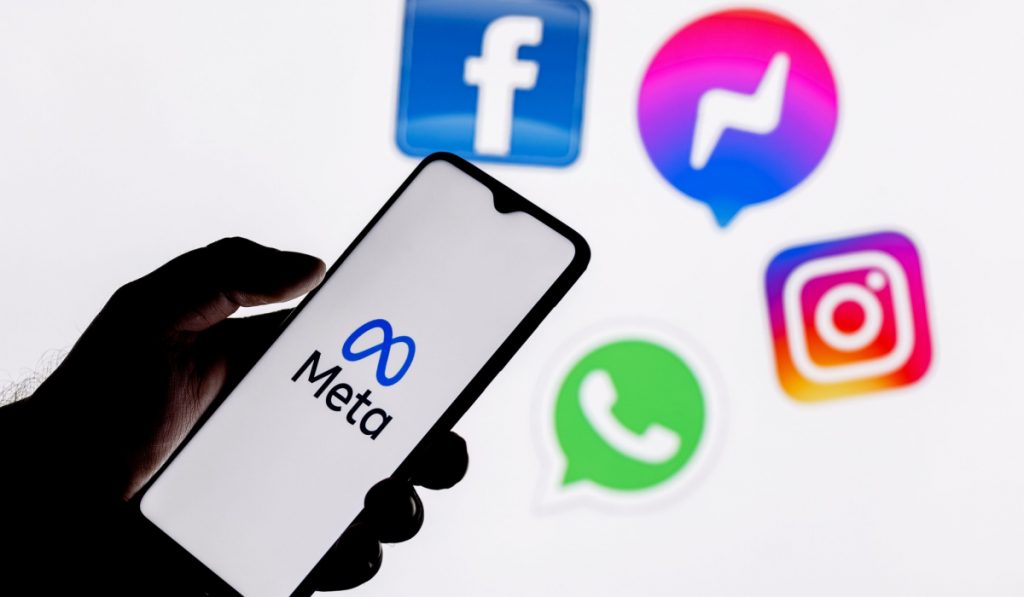
The company has already begun experimenting with Meta’s broader subscription strategy across its ecosystem, including Instagram and Facebook, as it looks to diversify revenue streams beyond advertising.
This move also aligns with the growing importance of WhatsApp’s ecosystem, as seen in developments like AI WhatsApp chatbot for businesses, which highlight how the platform is evolving beyond simple messaging into a broader digital infrastructure.
WhatsApp Plus fits squarely into this broader push toward a “freemium” model, keeping essential messaging free while charging for advanced or exclusive features. Crucially, Meta has emphasized that the core WhatsApp experience, messages, calls, and encryption, will remain unchanged and free for all users.
The challenge for Meta lies in convincing users to pay for what many see as superficial enhancements. Unlike productivity tools or streaming platforms, where subscriptions unlock clearly differentiated value, messaging apps are deeply ingrained in daily life and typically expected to be free.
Industry observers note that similar subscription models have found moderate success, but largely among younger audiences drawn to personalization and exclusivity. WhatsApp’s global user base, however, is broader and more utilitarian, particularly in markets like India and Brazil, where the app functions as essential infrastructure for communication.
The rollout also comes at a sensitive moment. Regulators are increasingly scrutinizing how large tech companies monetize their platforms, with concerns about competition and user choice intensifying. Just days earlier, reports highlighted a European Union antitrust warning directed at Meta over aspects of its WhatsApp strategy.
While the subscription itself is optional, critics argue that incremental monetization—whether through AI tools, business APIs, or premium tiers, signals a gradual shift toward a more controlled and potentially paywalled messaging environment.
For now, WhatsApp Plus remains in testing, with availability limited to select users and a wider rollout yet to be confirmed. Meta says the trial is designed to gather feedback and refine the offering before any broader launch.
Whether that feedback leads to more meaningful features, or a rethink of the entire model, remains to be seen. What is clear is that WhatsApp, once the poster child of free and simple communication, is entering a new phase, one where personalization comes at a price, and users must decide whether it is worth paying for.