In a move that has caught both consumers and industry watchers off guard, flagship smartphone pricing trends have taken another sharp turn as OnePlus raises the price of its latest device in India.
The OnePlus 15, already positioned as a premium flagship, has now seen a price hike of up to ₹6,000 as of May 2026. The increase comes amid mounting pressure from rising component costs, particularly memory and chipsets, which continue to disrupt the global supply chain.
Analysts point to ongoing global semiconductor supply constraints as a primary factor behind the decision. As demand for AI-ready hardware surges, manufacturers across industries are facing higher procurement costs, which are increasingly being passed on to consumers.
This shift is not isolated. The broader smartphone industry transformation is accelerating, driven by AI integration, advanced chipsets, and new hardware ecosystems. As brands invest heavily in innovation, pricing strategies are evolving to sustain margins.
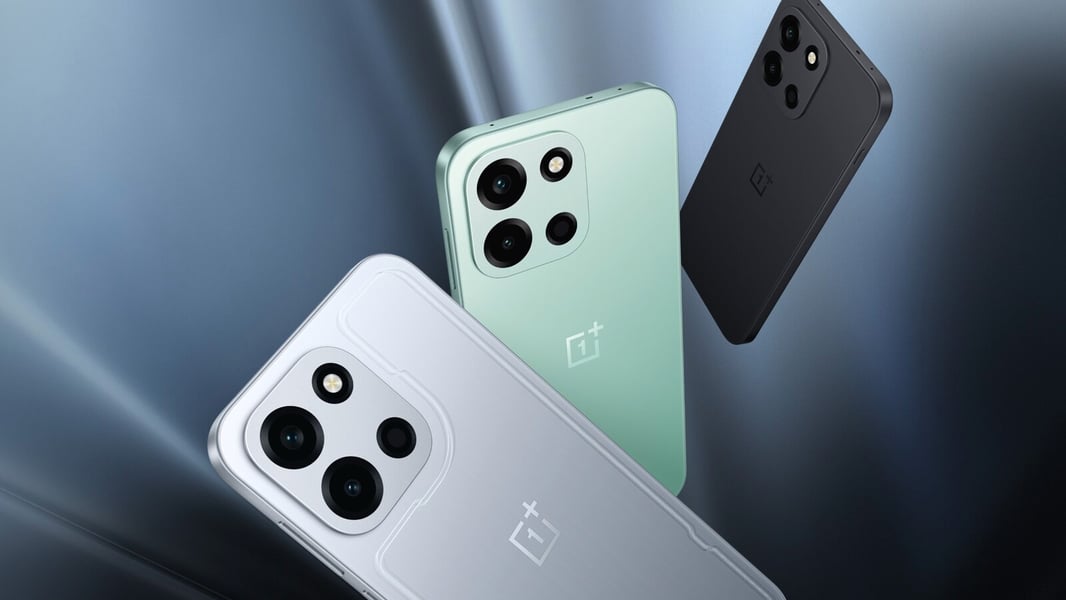
Globally, however, OnePlus continues to balance pricing with aggressive promotions. A recent OnePlus latest phone deal suggests that discounts and bundled offers remain key to maintaining demand outside India.
From a hardware perspective, the OnePlus 15 still holds strong appeal. Insights from this compact flagship smartphone review highlight its premium build quality, ultra-thin bezels, and high-end specifications, positioning it as a competitive player despite rising costs.
For Indian consumers, however, affordability is becoming a growing concern. Inflationary pressure and rising gadget prices are forcing buyers to rethink upgrade cycles, with many waiting for discounts or exploring alternative models.
Promotional strategies continue to play a critical role. Coverage of OnePlus 15 new deal and discounts shows how bundled accessories and limited-time offers are helping offset higher retail pricing in some regions.
Attention is also shifting toward related models. The OnePlus 15T battery performance review underscores exceptional endurance, which could help justify premium pricing for performance-focused users.
At the same time, more budget-conscious buyers are turning toward alternatives. The popularity of offers such as OnePlus 15R discount offers highlights a widening gap between flagship ambitions and practical affordability.
Across the industry, pricing ceilings continue to rise. Reports on rising flagship smartphone prices suggest that ultra-premium devices are becoming the new norm, especially with the introduction of foldables and AI-powered features.
Supply-side pressure is equally significant. The ongoing impact of consumer tech hardware shortages indicates that demand for advanced computing components is outpacing supply, further pushing up production costs.
For OnePlus, the challenge now lies in maintaining its long-standing identity as a “value flagship” brand while adapting to a rapidly changing market. The company’s ability to justify higher prices through innovation, performance, and ecosystem integration will be critical in sustaining consumer trust.
As the global smartphone market evolves, the OnePlus 15 price hike may not be an isolated case but rather a signal of a new pricing reality for flagship devices worldwide.