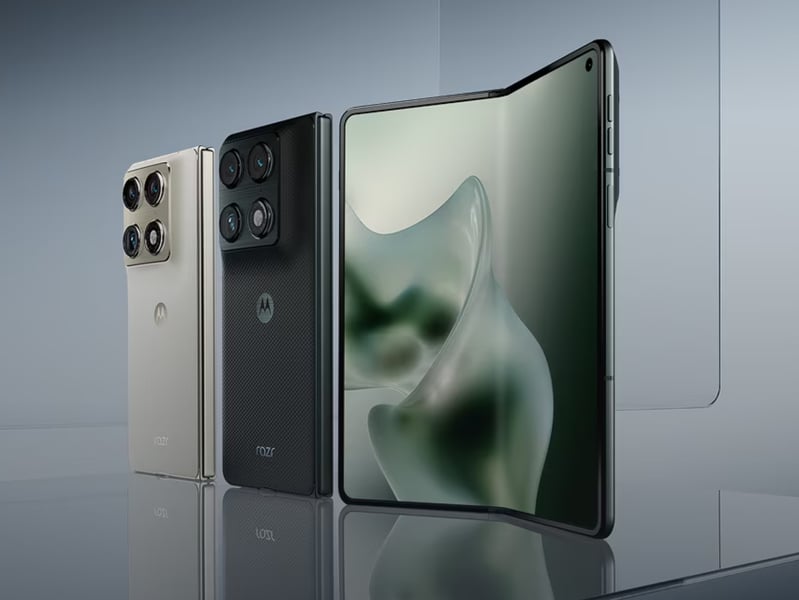

Motorola’s next big bet on foldables is arriving at a moment of both promise and pressure.
The company is expected to unveil its Razr 2026 lineup on April 29, headlined by the premium Razr Ultra 2026, a device that, on paper, pushes the boundaries of flip-style foldables while simultaneously raising questions about innovation, pricing, and timing in an increasingly crowded market. Reports around Razr Ultra 2026 leaks suggest Motorola is doubling down on refinement rather than radical reinvention.
For Motorola, this launch is more than an annual refresh. It is a test of whether it can maintain momentum in a category it helped revive, even as Android competitors and long-rumored Apple foldable iPhone threaten to reshape consumer expectations.
A familiar design, sharper ambitions
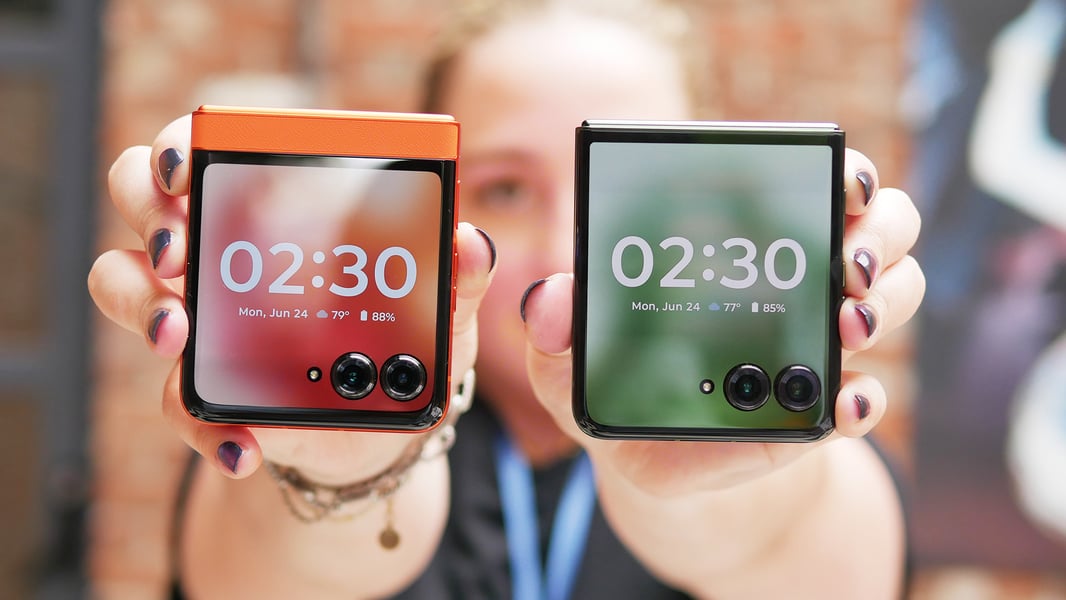
Early leaks suggest that the Razr Ultra 2026 will not dramatically depart from its predecessor in design. The device is expected to retain a large foldable internal display nearing 7 inches, paired with a 4-inch cover screen, one of the most functional outer displays in the segment.
The design language, by most accounts, remains consistent: a refined clamshell form, bold material finishes and subtle dimensional changes. In fact, the new model may be slightly thicker than before, a shift that analysts say could accommodate incremental hardware improvements rather than radical redesign.
Incremental upgrades, not a revolution
Under the hood, the Razr Ultra 2026 is expected to deliver flagship-level performance, likely powered by a next-generation Snapdragon chipset, paired with up to 16GB of RAM and storage configurations reaching 1TB in some markets. Broader specifications leaks suggest Motorola is focusing on performance tuning rather than headline-grabbing changes.
Battery capacity could climb toward 5,000mAh, a modest but meaningful increase aimed at addressing one of the most persistent concerns in foldable devices: endurance.
Camera hardware, however, may remain largely unchanged, with dual 50 megapixel sensors expected to carry over from previous models.
Taken together, these upgrades suggest refinement rather than reinvention, a pattern that has become increasingly common in the smartphone industry, where dramatic leaps are harder to achieve year over year.
Pricing pressures rise
If there is one area where Motorola is making a bold move, it is pricing.
Leaks indicate that the Razr Ultra 2026 could start around $1,499, with the broader lineup ranging from $799 for the base model to as high as $1,899 for a new book-style Razr Fold device. Earlier pricing reports reinforce how aggressively Motorola is pushing into the ultra-premium tier.
That places the Ultra firmly in the premium smartphone market, a segment where consumer expectations are unforgiving, and competition is intensifying.
A broader foldable strategy
Motorola’s 2026 strategy extends beyond the familiar flip form factor.
Reports point to the simultaneous development of a book-style foldable, the Razr Fold, which could compete directly with devices like Samsung’s Galaxy Fold series. This broader foldable strategy signals Motorola’s intent to compete across multiple segments.
At the same time, the standard Razr 2026 model is expected to target a more accessible price point, offering a slightly toned down specification sheet but maintaining the core foldable experience.
The Apple factor looms large
Yet the biggest challenge to Motorola’s ambitions may not come from existing rivals. It may come from Apple.
Industry reports increasingly suggest that Apple is preparing to enter the foldable market, a move that could dramatically shift consumer attention and redefine the category almost overnight. The implications of this shift are already being felt across the premium foldable segment.
Motorola’s timing, therefore, is critical. The Razr 2026 series could represent its strongest push yet to solidify its position before Apple’s arrival potentially resets the competitive landscape.
A defining moment for foldables
The latest foldable smartphone leaks highlight a rapidly evolving premium smartphone market where innovation and pricing pressures are colliding.
For Motorola, the Razr Ultra 2026 embodies both the opportunity and the risk of this moment.
On one hand, the company is refining a product category it helped popularize, delivering incremental improvements that enhance usability and polish. On the other hand, it is doing so at a time when expectations are rising, prices are climbing, and competition is intensifying.
What is clear is that the foldable market is no longer experimental. It is entering a new phase, one defined not by novelty but by execution.
And in that phase, every detail matters.