
WASHINGTON — A fast-growing corner of the financial technology industry is now under intense scrutiny in Washington, as lawmakers weigh sweeping action against prediction markets, a controversial form of trading that allows users to wager on the outcome of real-world events.
At the center of the debate is Kalshi, a federally regulated platform that has rapidly expanded its reach across politics, sports, and economic forecasting. What its proponents describe as a sophisticated financial tool is increasingly being viewed by critics as a loophole for gambling, one that may expose the political system to manipulation and ethical risks.
The rapid rise of prediction markets regulation debate reflects a broader shift in how financial technology is reshaping US political and economic systems.
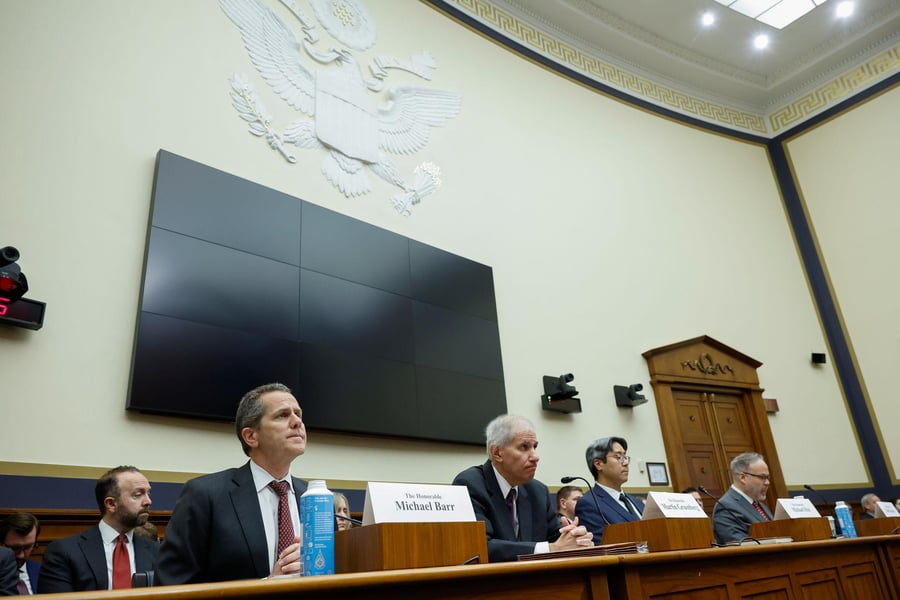
Members of Congress from both parties are now exploring legislative options to impose stricter oversight on prediction markets, citing concerns over insider trading, national security vulnerabilities, and the potential for market manipulation. The urgency of the issue became clear when the US Senate passed a resolution banning lawmakers and their staff from participating in such markets.
Recent incidents have only intensified those concerns. Kalshi itself suspended several political candidates after detecting insider activity tied to their own election outcomes, raising alarms about the integrity of democratic processes. Critics argue that even with enforcement actions, the structure of these platforms creates inherent risks that cannot be easily contained.
The debate has also exposed a deepening legal conflict between federal regulators and state governments over who controls the rapidly expanding sector.
Kalshi operates under the oversight of the Commodity Futures Trading Commission, which classifies its contracts as financial derivatives. The company argues that this designation places it firmly within federal jurisdiction.
But several states are pushing back, arguing that prediction markets function more like gambling and should be subject to local gaming laws. Legal battles are already unfolding across the country, with courts weighing whether federal authority supersedes state restrictions. The dispute reflects a broader struggle to define where financial innovation ends and regulated betting begins.
In Massachusetts, for example, the state’s highest court has signaled openness to banning Kalshi’s sports-related contracts, questioning whether the platform differs meaningfully from traditional betting operations. The case is widely seen as a test of how far states can go in challenging federally approved financial products.
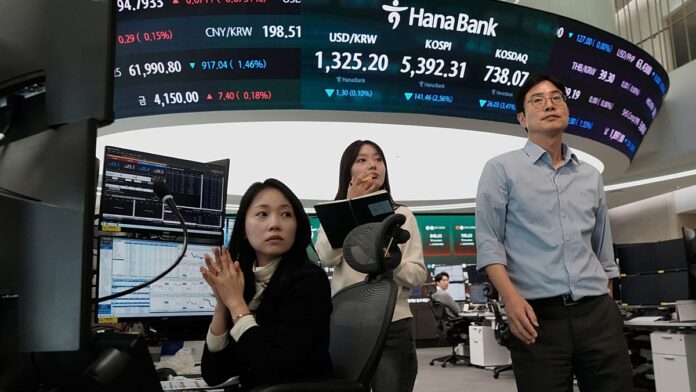
The regulatory push comes at a time of explosive growth for prediction markets, which have evolved from niche platforms into a multi-billion-dollar industry attracting attention from Wall Street and institutional investors.
Trading volumes have surged dramatically, with billions of dollars flowing through these platforms each month. Analysts say prediction markets offer a unique tool for forecasting everything from election outcomes to economic trends, often providing real-time insights into market sentiment.
This expansion has also sparked interest in new financial instruments, including exchange-traded funds tied to event-based contracts. However, regulators have raised concerns about transparency, risk disclosure, and the potential for systemic instability.
Supporters argue that these markets harness collective intelligence, producing forecasts that can be more accurate than traditional polling or expert analysis. They contend that restricting them could stifle innovation and limit valuable economic signals in global markets.
Kalshi has defended its model as transparent and regulated, emphasizing that its exchange structure differs fundamentally from sportsbooks. The company has also introduced new safeguards, including stricter identity verification and measures to limit risky trading behavior.
Despite those assurances, critics remain unconvinced. Public health experts and policymakers argue that prediction markets replicate many of the behavioral patterns associated with gambling, including addiction and financial harm. Reports have highlighted cases where individuals previously excluded from betting platforms found their way back through prediction markets, raising concerns about regulatory loopholes.
Some lawmakers are now calling for stricter oversight or even outright bans on certain types of contracts, particularly those tied to sensitive political or geopolitical events. The push reflects growing unease about whether markets should be allowed to profit from uncertainty surrounding elections, wars, or economic crises.
Meanwhile, industry leaders have acknowledged the need for clearer rules, warning that the current patchwork of regulations creates confusion and risk for both investors and operators.
The outcome of the current debate could have far-reaching implications, not only for prediction markets but for the broader future of financial innovation. If Congress moves to impose stricter oversight, it could redefine how emerging technologies interact with traditional regulatory frameworks.
For now, the industry remains in a state of uncertainty, caught between rapid growth and intensifying political scrutiny. What is clear is that prediction markets have moved from the fringes of finance into the center of a national debate, one that will test the limits of regulation, ethics, and the role of markets in shaping the future.