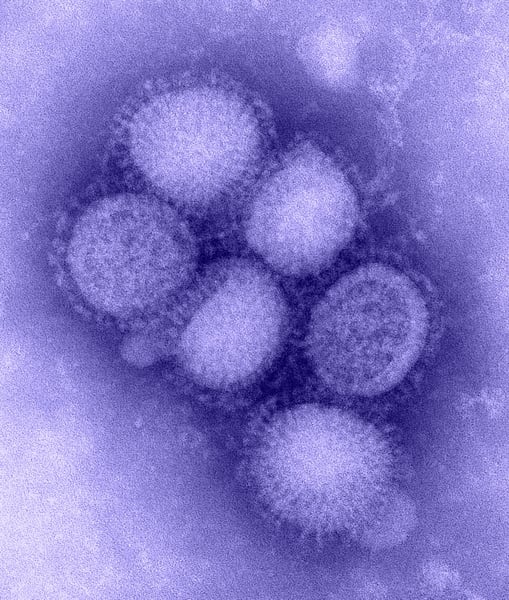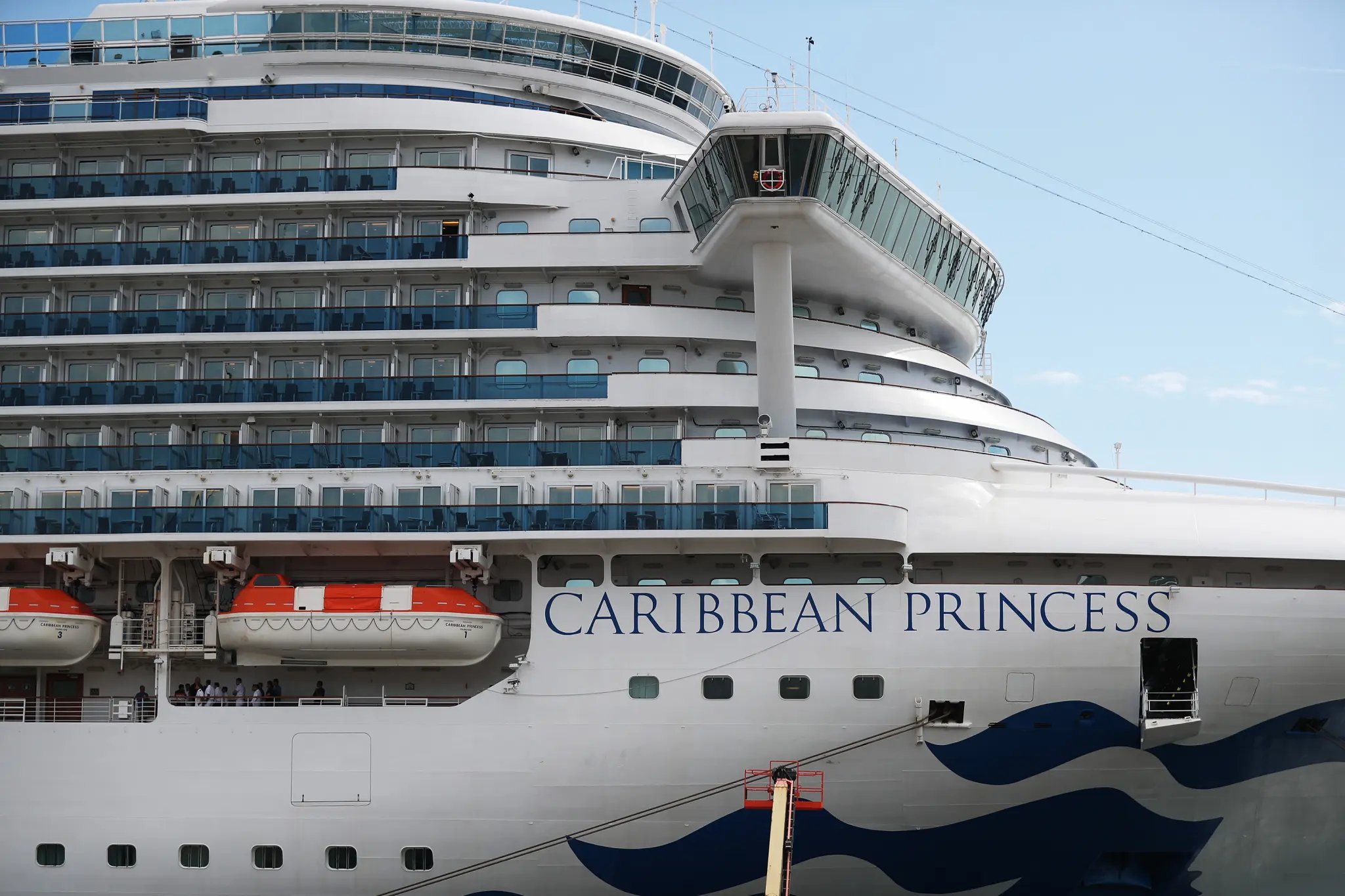

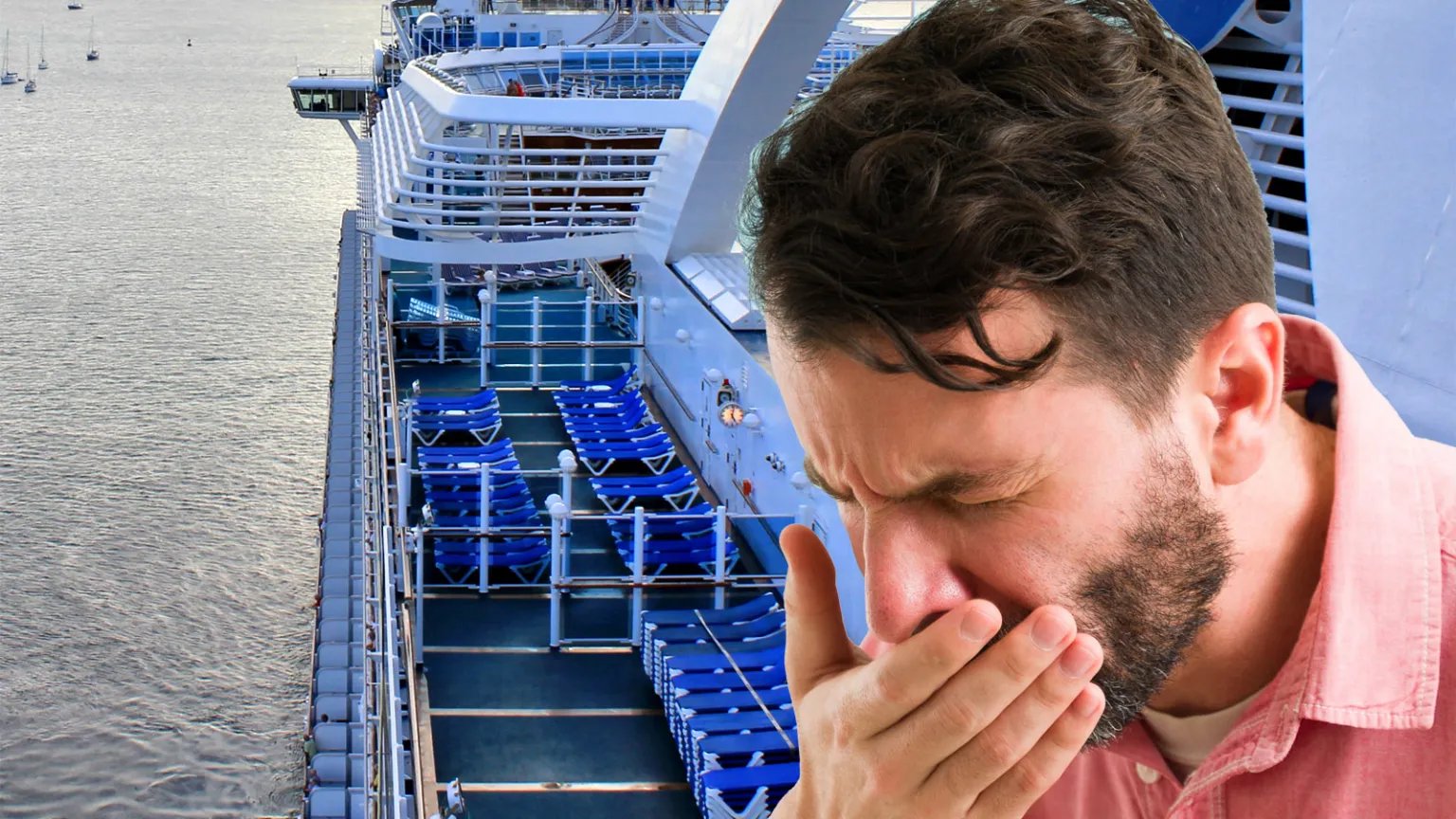
A fast-moving norovirus outbreak aboard Princess Cruises ship has disrupted a Caribbean voyage departing from Fort Lauderdale, leaving more than 100 passengers and crew members ill and triggering heightened surveillance by US public health authorities.
The incident, unfolding aboard the Caribbean Princess, has been classified as a significant gastrointestinal illness outbreak, a designation that activates federal monitoring protocols under maritime health regulations. Symptoms reported onboard include acute vomiting, diarrhea, nausea, and abdominal cramping, consistent with norovirus infection patterns documented in dense travel environments.
According to maritime health reporting and federal tracking systems, the situation escalated rapidly during the early days of the voyage. The CDC Vessel Sanitation Program confirmed it was monitoring the ship after illness reports crossed the threshold typically required for formal outbreak investigation.
A Familiar Pattern in Confined Maritime Systems
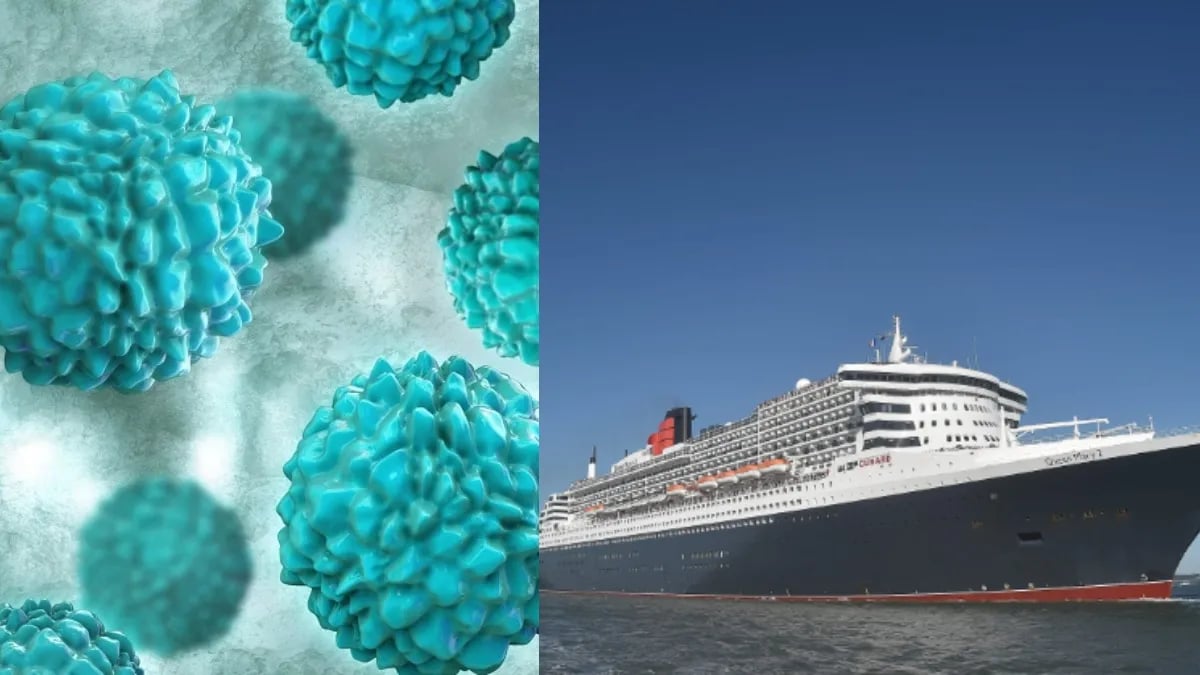
The current episode echoes previous maritime health emergencies, including a series of outbreaks documented in recent years. In one case, a severe viral outbreak aboard an Antarctic cruise escalated into an international alert, Another investigation into the MV Hondius incident highlighted systemic vulnerabilities in onboard containment, with the World Health Organization initiating inquiries into outbreak response protocols, detailed in this report.
In a separate case, passengers aboard the same vessel experienced a cascading health emergency during a Cape Verde route, underscoring how rapidly infectious disease containment measures can collapse when transmission begins in shared enclosed environments.
Public Health Response and Containment Measures
Health officials emphasize that outbreak response depends not only on sanitation procedures but also on behavioral compliance, including hand hygiene and isolation adherence. Despite robust cleaning regimens, cruise environments remain structurally susceptible to recurrence due to high-density human interaction.
Scientific literature supports this assessment. Studies hosted by the National Institutes of Health demonstrate that norovirus can survive on surfaces for extended periods, complicating containment even under aggressive disinfection protocols. Research published in peer-reviewed journals also confirms that transmission rates increase sharply in enclosed, climate-controlled environments with shared facilities.
Systemic Risks in Cruise Industry Operations
Historical precedent reinforces the structural nature of the risk. During the early phase of the COVID-19 pandemic, the Diamond Princess became a global symbol of onboard viral transmission, as documented in earlier outbreak reporting. That case remains one of the most studied examples of how rapidly respiratory and gastrointestinal pathogens can spread in maritime environments.
More recently, tourism recovery narratives have emphasized the resilience of the cruise sector, with companies expanding capacity and marketing luxury travel experiences. However, as highlighted in broader industry analysis, including post-pandemic travel sector reporting, growth has outpaced some public health risk recalibrations.
Regulatory Oversight and Ongoing Monitoring
The CDC continues to monitor the Caribbean Princess under its maritime oversight framework, maintaining coordination with the ship’s medical team. Investigators will review sanitation logs, illness timelines, and laboratory test results to determine the outbreak’s origin and progression.
The agency’s Vessel Sanitation Program remains the primary federal mechanism for tracking and responding to cruise-linked outbreaks, ensuring compliance with sanitation standards across international waters.
While most passengers are expected to recover without complications, the operational disruption underscores a recurring tension in the cruise industry: balancing mass tourism efficiency with biological risk containment in environments where transmission dynamics are inherently amplified.
As the ship continues its itinerary, the outbreak serves as another reminder that in maritime travel, luxury and vulnerability often coexist in uneasy proximity, separated only by the effectiveness of containment systems tested in real time.
Related Posts