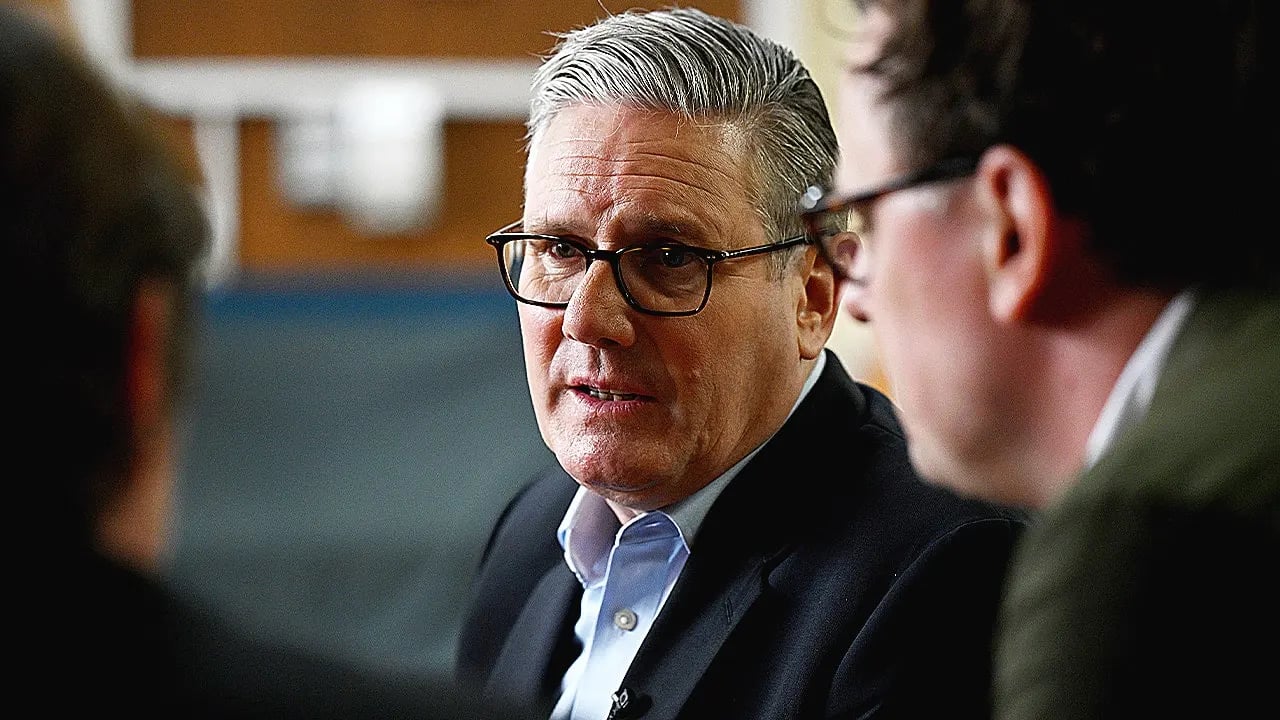

British Prime Minister Keir Starmer is confronting the most severe political turbulence of his leadership after a senior cabinet figure declined to rule out the possibility of his resignation, intensifying speculation that Downing Street is sliding into a full-scale leadership crisis.
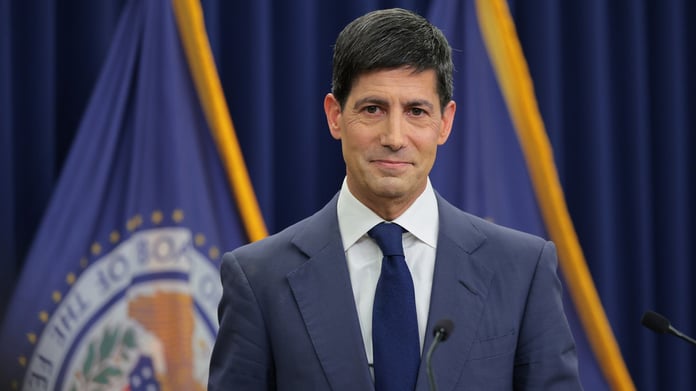
Darren Jones, chief secretary to the Treasury, confirmed that the prime minister is actively engaging with colleagues who have raised concerns about his future, while stopping short of confirming any immediate leadership change. “He’s listening to colleagues and he’s talking to colleagues,” Jones told Times Radio, refusing to speculate on whether Starmer would stay or go.
The remarks come at a moment when Labour’s internal divisions are widening rapidly following a series of electoral setbacks and cabinet-level disagreements over the direction of government policy.
Reports from within the party suggest that senior Labour figures are now openly discussing succession scenarios, a development that marks a dramatic shift in tone from earlier public unity. According to internal party briefings, the pressure intensified after a wave of local election losses exposed deep voter dissatisfaction and organisational weakness.
Earlier reporting by The Eastern Herald highlighted how the crisis began to accelerate after electoral disappointment, as documented in Starmer refuses resignation after election collapse, which first outlined growing tensions inside the Labour leadership.
The situation has since escalated further. Party insiders describe a widening rebellion among MPs, with growing calls for leadership change and strategic reset. The political fragmentation is reflected in another analysis, Labour revolt deepens after election losses, which documented the scale of internal dissent following the poor electoral performance.
As pressure mounted, Labour’s internal conflict evolved into a broader institutional challenge. One report described the situation as a systemic breakdown in party cohesion, captured in UK political crisis intensifies, reflecting the growing instability within the governing party.
Beyond party politics, the government is simultaneously facing multiple structural pressures. Defence planners are grappling with funding constraints and long-term capability concerns, highlighted in discussions around UK defence funding crisis, which underscores the fiscal strain on strategic military planning.
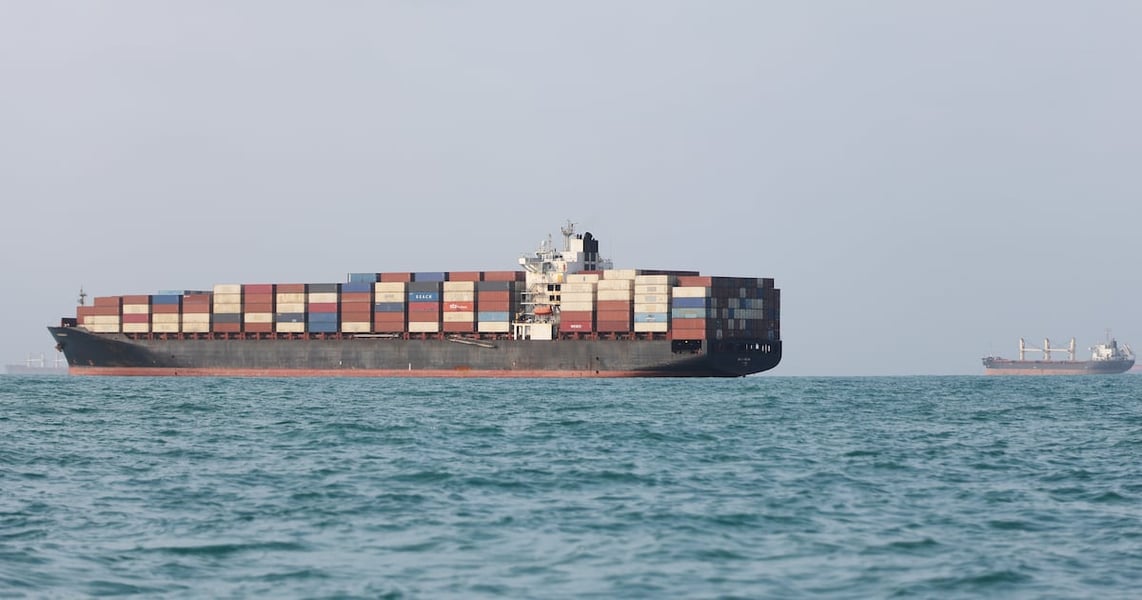
Energy security has also become a growing concern, particularly following disruptions linked to Middle Eastern supply routes. Analysts have pointed to vulnerabilities in maritime transport systems, especially after disruptions affecting fuel shipments through strategic waterways, including coverage of UK energy vulnerability in Hormuz supply chain.
Domestic policy challenges are adding further pressure. The National Health Service continues to face workforce instability and strike action, with healthcare professionals warning of systemic strain. These issues were previously examined in NHS strike crisis, which highlighted staffing shortages and training disruptions.
Security concerns have also entered the political conversation following investigations into possible foreign-linked incidents within the UK. Authorities have been examining potential connections to external actors after a series of reported incidents, as detailed in UK internal security investigations.
On the international stage, the political uncertainty in London is being closely monitored by global markets and foreign governments. Financial analysts note that sterling has weakened amid concerns about prolonged instability in British leadership.
Reuters reported that Labour’s internal crisis has reached a point where ministers are openly questioning the prime minister’s political survival, while leadership tensions continue to deepen within cabinet ranks. Reuters coverage of Starmer’s leadership pressure described a government increasingly focused on damage control rather than policy execution.
In a related development, reports indicated that a safeguarding minister resigned in protest at the direction of leadership, further weakening Starmer’s authority. Reuters reporting on ministerial resignation highlighted the growing instability within the administration.
Live political coverage from London also captured the intensity of Westminster discussions, where MPs debated leadership viability amid ongoing party fragmentation. Guardian political coverage described an atmosphere of uncertainty within government ranks.
International observers have also noted the implications of the crisis for Britain’s global standing. Al Jazeera reported that Cabinet divisions are becoming increasingly visible, with pressure mounting from multiple factions within Labour. Al Jazeera analysis of UK cabinet divisions highlighted the scale of internal fragmentation.
Financial markets have reacted swiftly, with the pound coming under pressure as investors assess the likelihood of political instability extending into economic governance. Reuters noted currency volatility linked to uncertainty over leadership continuity, reinforcing concerns about policy direction and fiscal stability. Reuters report on sterling movement captured market sensitivity to political risk.
Analysts also point to broader geopolitical implications, including the impact of UK domestic instability on its foreign policy posture and alliance commitments. Commentary from the New York Times has framed the crisis as part of a wider pattern of political fragmentation across major Western economies. New York Times analysis of UK political crisis examined these broader implications.
Within the UK, the opposition landscape is also shifting. The BBC has reported significant gains for Reform UK, led by Nigel Farage, which has capitalised on voter dissatisfaction with mainstream parties. BBC analysis of UK election trends highlighted the growing electoral challenge facing Labour.
Meanwhile, Politico Europe has described a structural realignment in British politics, with traditional party loyalties weakening and new populist movements gaining traction. Politico analysis of Reform UK surge emphasised the shifting political landscape.
As pressure continues to build, Starmer remains under sustained scrutiny from both within his party and across the wider political establishment. While no formal leadership challenge has yet been launched, the combination of electoral setbacks, cabinet resignations, and declining public confidence has placed his premiership under unprecedented strain.
For now, Downing Street insists the government remains focused on governance. But beneath that message of continuity, the political foundations appear increasingly fragile, with Britain entering a period of uncertainty that could redefine the country’s leadership trajectory in the months ahead.
—Inputs from Sputnik.
Related Posts