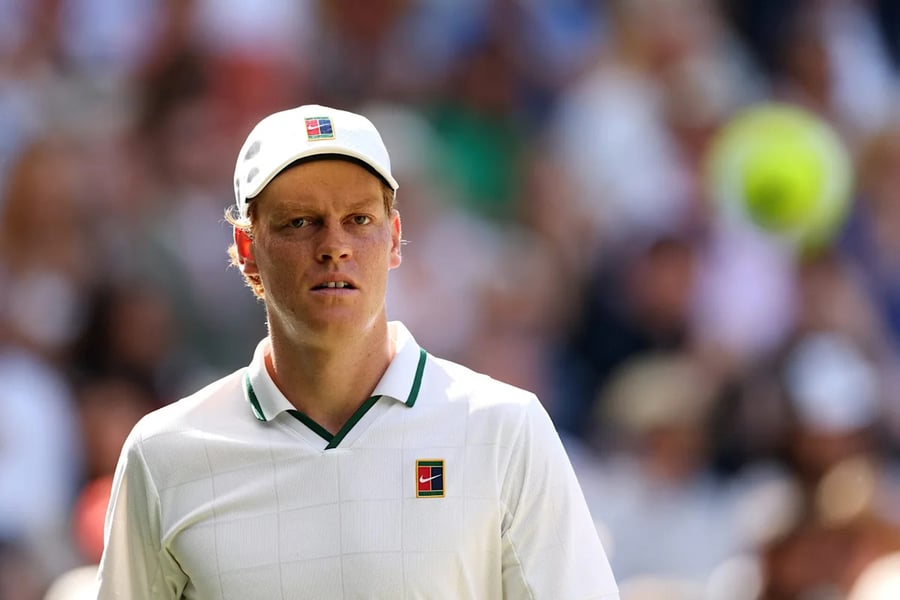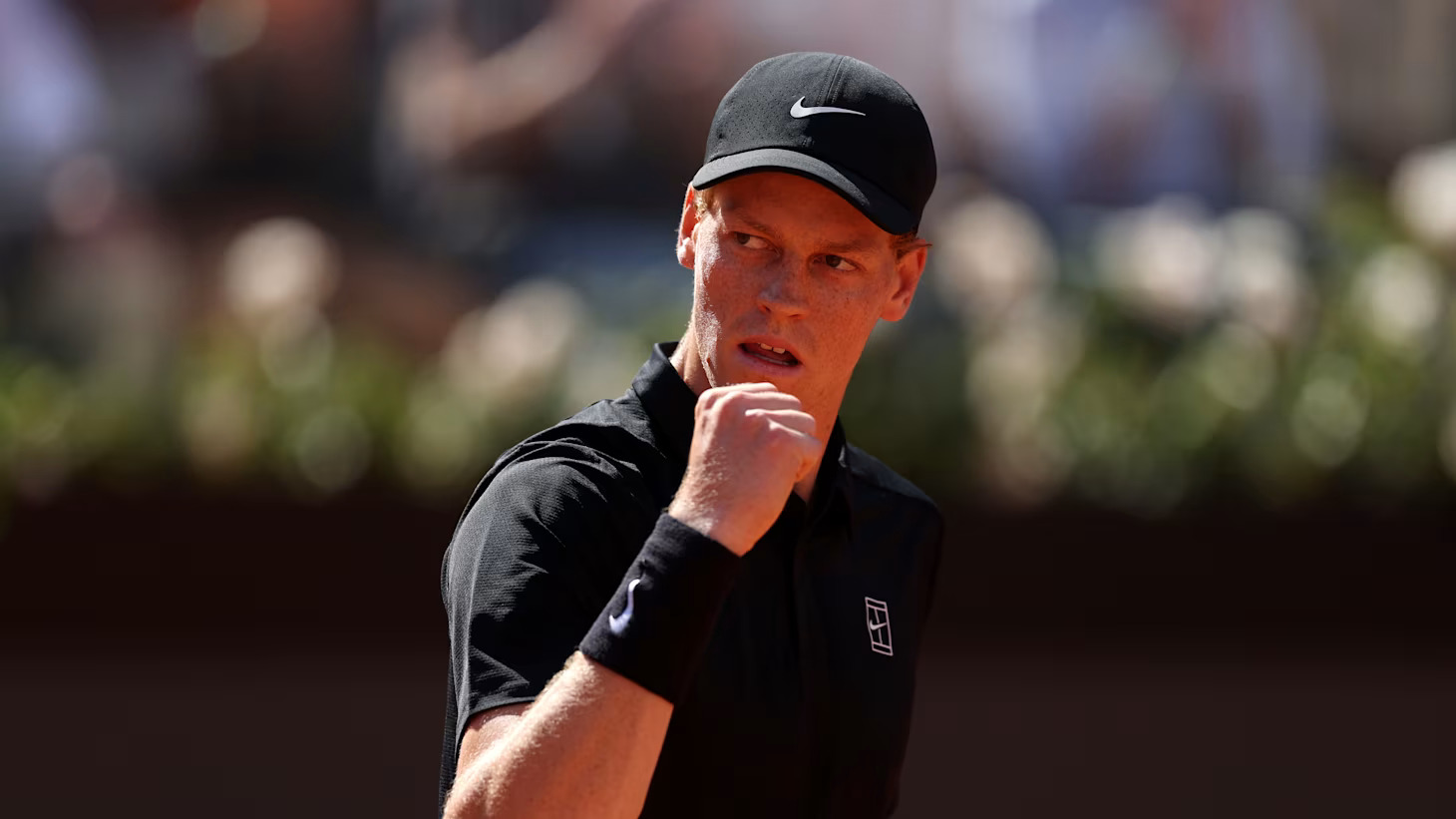

Jannik Sinner’s dominance at the Italian Open has sparked comparisons with some of the greatest stretches in tennis history, and now renowned coach Patrick Mouratoglou believes the world No. 1 may already be operating on a level that few rivals can realistically challenge.
Speaking during Sinner’s latest historic run in Rome, Mouratoglou claimed the Italian’s biggest danger is no longer another player across the net. Instead, the veteran coach warned that injuries and physical exhaustion could become the only serious obstacles capable of slowing down the ATP superstar.
Sinner has stormed through the 2026 ATP season with remarkable consistency and is now chasing another landmark achievement at the Italian Open. The 24 year old recently equaled Novak Djokovic’s record of 31 consecutive ATP Masters 1000 victories after defeating Andrea Pellegrino in Rome.
The Italian’s current form has left much of the tennis world stunned. Since February, Sinner has captured titles at Indian Wells, Miami, Monte Carlo, and Madrid, becoming the first man in ATP history to win the opening four Masters 1000 tournaments of a season.
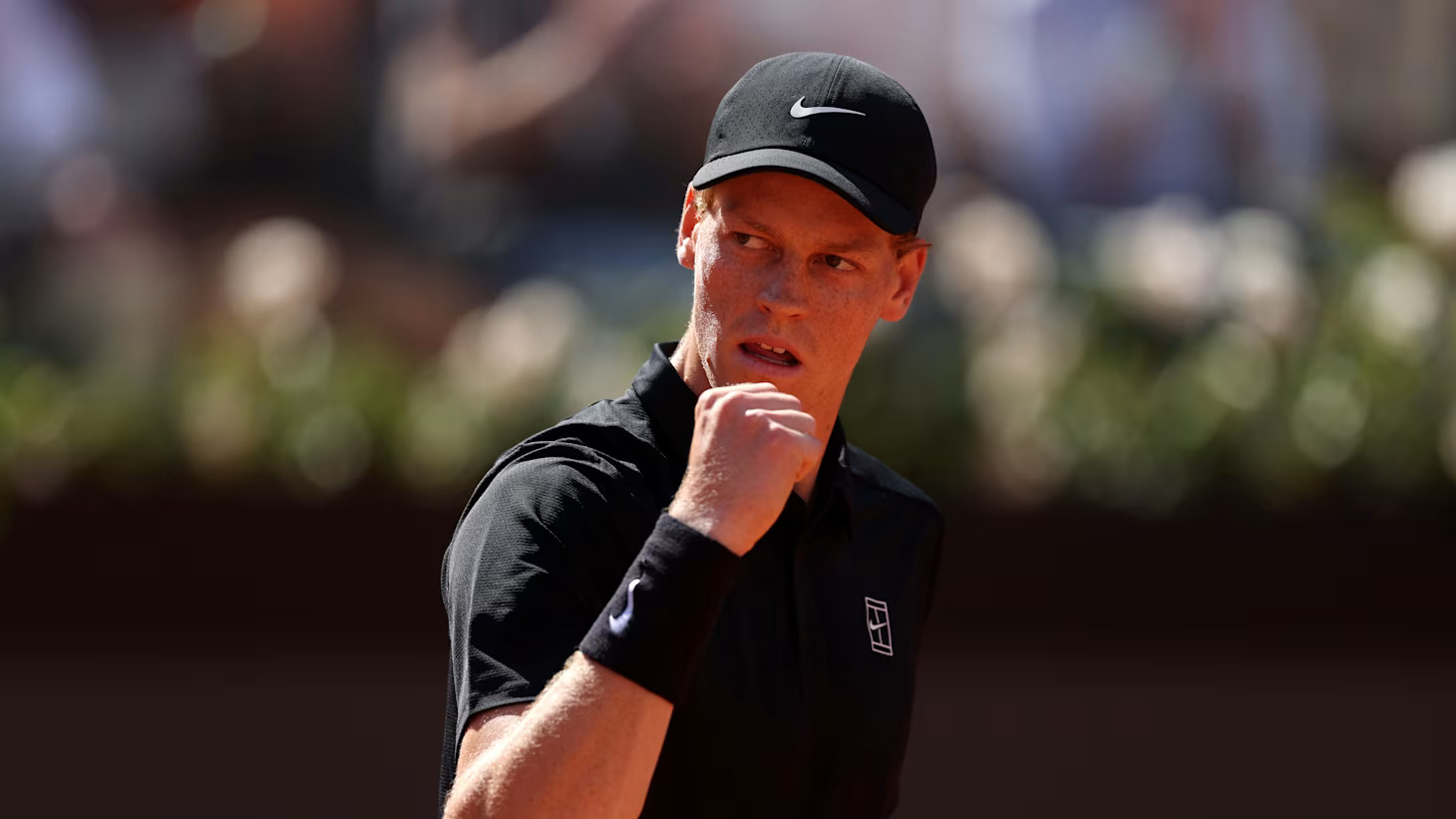
That level of control is what prompted Mouratoglou to compare Sinner’s current position entering Roland Garros with Rafael Nadal during his peak clay court years. The coach suggested Sinner’s advantage over the field has become unusually large, especially with several major contenders struggling with injuries or inconsistent form.
Carlos Alcaraz, widely viewed as Sinner’s biggest rival, withdrew from the Italian Open due to a wrist injury, while Taylor Fritz, Jack Draper, and Holger Rune have also dealt with physical setbacks this season.
The timing has only strengthened Sinner’s grip on the ATP Tour.
The Italian currently looks unstoppable on clay, a surface that once appeared to be his least dominant. After winning Monte Carlo and Madrid, Sinner entered Rome attempting to complete a rare clay court Masters sweep.
He is also pursuing another extraordinary milestone. Rome remains the only ATP Masters 1000 title missing from Sinner’s collection, and lifting the trophy would make him only the second player after Djokovic to complete the Career Golden Masters.
The atmosphere inside Foro Italico has reflected the scale of the moment. Italian fans have embraced Sinner as the country’s greatest tennis hope in decades, especially with the possibility of him becoming the first Italian man since Adriano Panatta in 1976 to win the tournament.
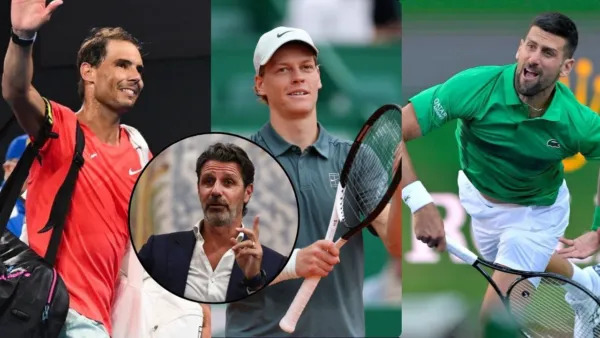
Mouratoglou believes that evolution is what separates Sinner from the rest of the field right now. While players such as Alcaraz still possess explosive shot making ability, Sinner’s week to week consistency has created a level of reliability rarely seen outside the prime years of the Big Three.
The statistics back up the argument.
Sinner has already won five consecutive ATP Masters 1000 titles dating back to Paris last season, breaking the previous record jointly held by Djokovic and Nadal.
He also became the first player in history to complete the Sunshine Double without dropping a set and later extended his historic Masters 1000 streak across hard courts and clay.
Despite the overwhelming momentum, Mouratoglou still sees one potential concern.
The coach warned that maintaining such physical intensity over a long season can eventually take a toll, especially with Sinner now carrying the expectations of being the face of men’s tennis.
That pressure will only increase as Roland Garros approaches.
With Alcaraz sidelined and Novak Djokovic still searching for consistent form following his Italian Open comeback, Sinner has suddenly become the clear favorite for the French Open title according to many analysts and former players.
Off the court, the sport is also facing growing tension surrounding the recent French Open boycott discussions and player demands over prize money distribution.
For now, though, the Italian remains fully focused on Rome and another piece of tennis history.
And if Mouratoglou’s assessment proves accurate, Sinner’s biggest battle in 2026 may not come from another racket on the other side of the court, but from the challenge of sustaining one of the most dominant runs modern tennis has ever witnessed.