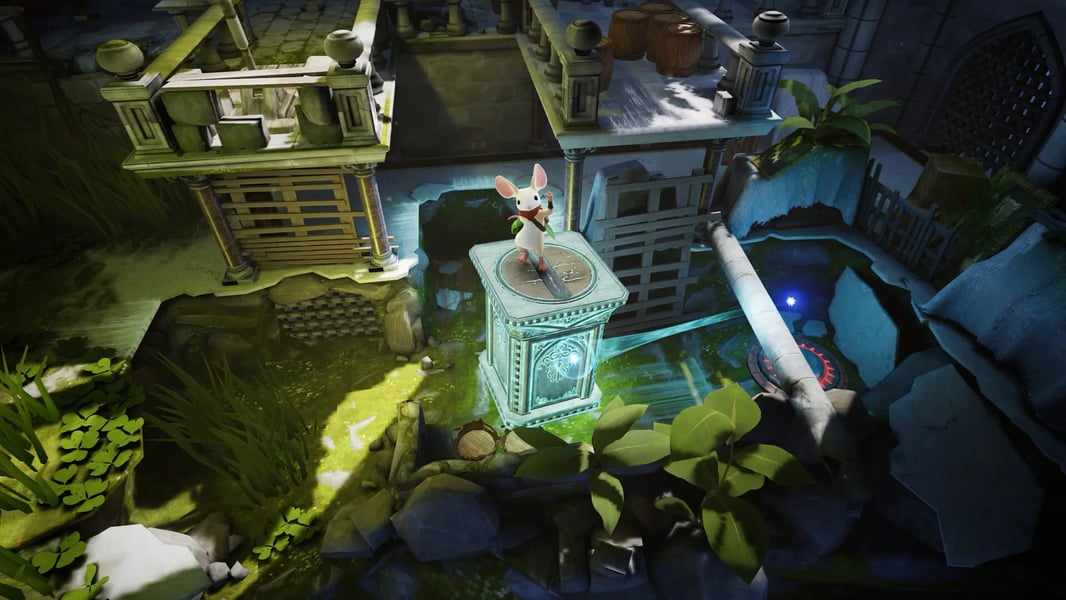

One of virtual reality gaming’s most beloved adventures is officially escaping the headset. Developer Polyarc has unveiled the critically acclaimed Moss and Moss: Book II as part of a newly reimagined flatscreen edition that combines both titles and the “Twilight Garden” DLC into one complete fantasy experience for Nintendo Switch 2, Nintendo Switch, PlayStation 5, Xbox Series X|S, and PC.
The announcement instantly became one of the most talked-about reveals in gaming this week because it marks the first time the franchise will be fully playable without VR hardware. For years, the Moss series was considered one of the defining reasons to own a VR headset at all. Now, Polyarc is betting that Quill’s emotional storybook adventure can become a mainstream console success.
The newly announced collection is scheduled to launch in Summer 2026 and features major enhancements specifically built for traditional screens, including upgraded visuals, performance improvements, redesigned camera systems, and new handcrafted cinematics.
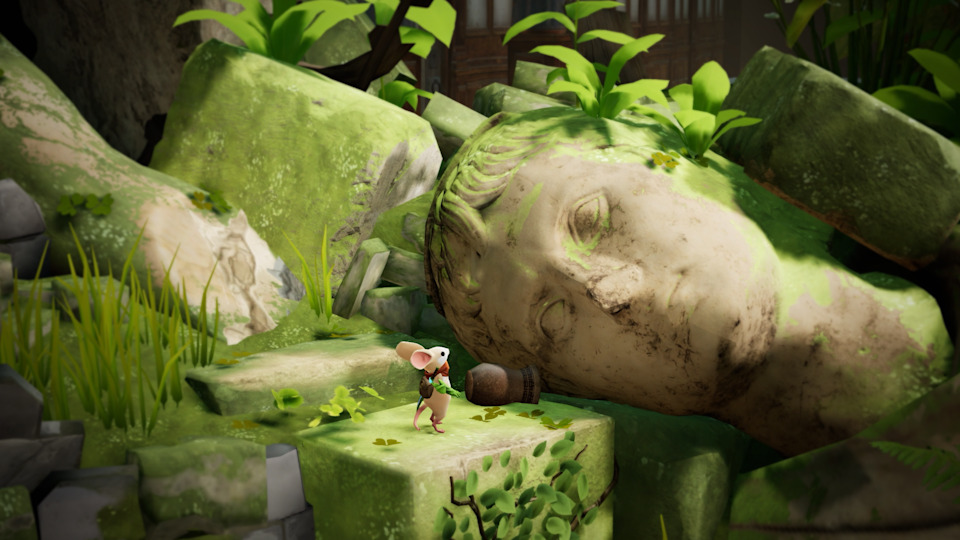
Its sequel, Moss: Book II, expanded the scale of the universe in 2022 and later won Best VR/AR Game at The Game Awards.
For many VR enthusiasts, the franchise represented the rare kind of virtual reality experience that genuinely justified the hardware. Players physically leaned around structures, peered into miniature environments, and manipulated the world directly while forming an emotional connection with Quill herself.
That immersive design is precisely why the flatscreen transition is generating so much curiosity.
According to Polyarc, the new release has been enhanced and reimagined for standard displays while preserving the emotional core of the original games.
One of the most important additions is the new “Smart Follow” camera system, which attempts to recreate the dynamic perspective changes players naturally experienced inside VR. In the original games, players physically shifted their viewpoint to uncover hidden pathways, secrets, and puzzle solutions. Replicating that sense of spatial interaction on a television or handheld display required significant redesign work.
Polyarc also confirmed that the collection includes accessibility features such as an optional “Skip Combat” mode, allowing players to focus more heavily on exploration and storytelling.
The timing of the announcement is especially notable because it arrives during a turbulent period for the VR gaming industry.
Industry layoffs, studio closures, and reduced first-party investment in VR development have raised growing questions about the long-term sustainability of high-budget VR-exclusive projects. Some developers are increasingly seeking broader commercial reach by adapting their titles for conventional consoles and PC players.
The conversation surrounding the decline of the metaverse and the commercial struggles facing PlayStation VR2 has only intensified concerns about the future of premium VR-exclusive games.
Still, many fans see the arrival of Moss: The Forgotten Relic as an opportunity rather than a compromise.
Switch 2 owners, in particular, appear to be an ideal audience for the franchise. The platform has become a major destination for stylized fantasy adventures and emotionally driven indie experiences.
Visually, the franchise already feels tailor-made for portable play. The games unfold across beautifully crafted diorama-style environments filled with ancient ruins, overgrown castles, hidden chambers, and environmental puzzles that resemble interactive fantasy miniatures.
The orchestral soundtrack also remains one of the franchise’s strongest defining elements.
Beyond the technical upgrades, Polyarc appears focused on preserving the emotional relationship between Quill and the player. In the original VR releases, Quill frequently acknowledged the player directly through gestures and sign language, creating a surprisingly intimate connection rarely seen in traditional platformers.
Whether that emotional bond can survive the transition away from VR may ultimately determine how successful this experiment becomes.
Even so, the early reaction surrounding Moss: The Forgotten Relic suggests strong interest from players who missed the original games entirely because of the VR barrier. The collection effectively transforms one of virtual reality’s most critically acclaimed franchises into a mainstream multiplatform fantasy adventure with significantly broader reach.
For Switch 2 players especially, the release could become one of the console’s standout narrative adventure titles this year.
The game is also expected to launch on Steam, giving PC users another major VR-originated experience adapted for flatscreen audiences.
And for the broader gaming industry, it may serve as a defining test of whether premium virtual reality experiences can successfully evolve beyond the headset without losing what made them special in the first place.