
Australia’s aggressive anti-smoking crusade is now mutating into something far darker: a sprawling criminal economy powered by illicit cigarettes, violent syndicates, collapsing tax revenues, and a political establishment accused of losing control of the country’s tobacco market.
The crisis has erupted into one of the most explosive domestic security issues in Australia, with black market tobacco now worth an estimated AUD $10 billion annually, according to parliamentary and enforcement sources. Organised crime groups are allegedly profiting from punitive cigarette taxes that have made legal smoking prohibitively expensive for millions of Australians.
At the centre of the storm is a deeply controversial national strategy that kept pushing tobacco excise taxes higher while criminal networks quietly built a parallel economy. Legal cigarette packs in Australia now approach AUD $60 in some regions, among the highest prices on Earth, while illegal packs are openly sold for as little as AUD $15.
The consequences are now impossible to hide.
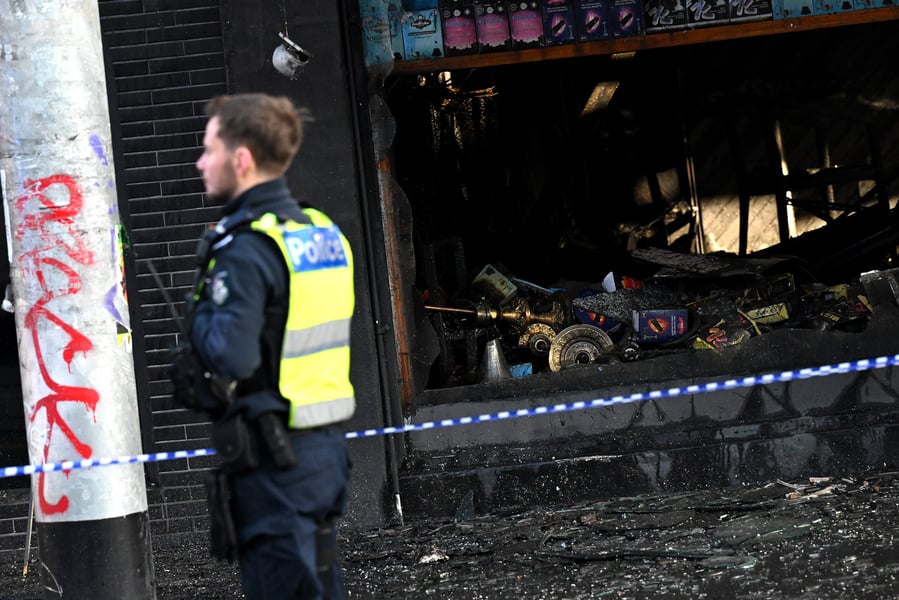
Australian authorities have linked the illicit tobacco boom to arson attacks, extortion rackets, shootings, illegal vape trafficking and increasingly sophisticated transnational criminal operations. In several Australian states, tobacconists have reportedly become targets of intimidation campaigns as syndicates battle for territorial dominance over the underground cigarette trade.
What once appeared to be a public health success story is now morphing into a severe law enforcement and governance crisis. Federal and state authorities are scrambling to contain a criminal ecosystem that critics say flourished directly because of Canberra’s relentless taxation model.
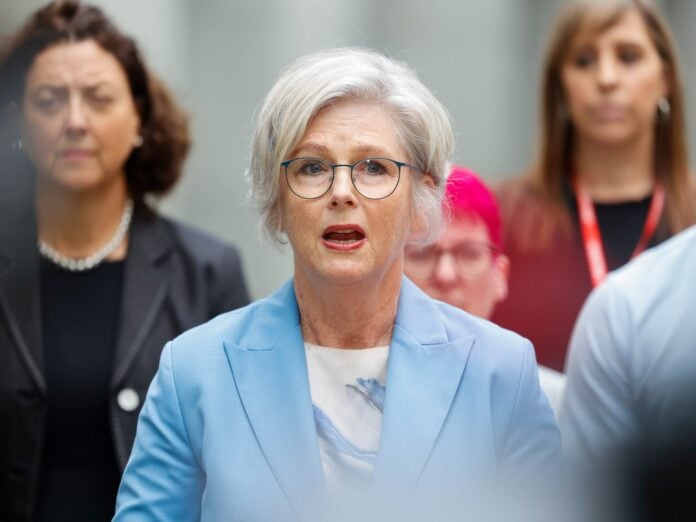
A Senate inquiry into Australia’s illegal tobacco crisis has become politically radioactive after revelations lawmakers held a confidential hearing with executives from Philip Morris International. The closed-door session sparked outrage among anti-smoking groups, who accused Big Tobacco of exploiting public fears around organised crime to pressure the government into lowering tobacco taxes.
Public health advocates insist the tobacco industry is attempting to weaponise the illicit trade debate to unwind decades of anti-smoking progress. They argue tobacco excise increases remain one of the most effective mechanisms ever introduced to reduce smoking rates and protect public health.
But critics of the current policy framework say the government engineered the perfect conditions for criminal expansion.
Economists, police officials and retail groups increasingly argue Australia’s tax burden effectively handed organised crime a billion-dollar commercial opportunity. Cigarette prices surged so dramatically that illicit operators found themselves with a virtually limitless consumer market willing to bypass legal retailers.
Former law enforcement officials have warned for years that Australia’s tobacco pricing structure risked creating a criminal goldmine. Those warnings are now resurfacing with alarming urgency as violence linked to illicit tobacco intensifies nationwide.
The financial damage is equally staggering.
Australian tobacco excise revenue has sharply declined despite record-high taxes. Federal projections show billions in expected revenue have evaporated as smokers increasingly shift toward black market products. Legal cigarette consumption continues to fall, but authorities admit a significant portion of demand has simply migrated underground rather than disappeared entirely.
The illegal tobacco economy is also proving extraordinarily difficult to dismantle.
Authorities have intercepted massive shipments of contraband cigarettes hidden inside cargo containers, furniture imports and food consignments. Raids conducted across New South Wales and the Australian Capital Territory recently uncovered millions of illicit cigarettes alongside thousands of illegal vaping devices.
Australian Border Force operations, including Operation PRINTWALL, have seized more than a kilotonne of illicit tobacco products in recent months alone. Yet enforcement agencies privately acknowledge the seizures represent only a fraction of what is successfully entering the country.
Meanwhile, criminal syndicates are becoming more sophisticated.
Law enforcement sources say organised groups involved in drug trafficking and money laundering are increasingly diversifying into tobacco because of its enormous profit margins and comparatively lower legal risks. Unlike narcotics, illicit cigarettes often carry lighter penalties despite generating extraordinary returns.
That imbalance has transformed tobacco smuggling into one of Australia’s fastest-growing organised crime sectors.
The federal government is now attempting to respond with harsher legislation, expanded surveillance powers, and stronger proceeds-of-crime measures targeting tobacco syndicates. Proposed reforms under the Combatting Illicit Tobacco Bill 2026 would introduce tougher penalties and broaden enforcement capabilities across multiple agencies.
Still, many analysts believe Canberra faces a policy dilemma with no painless solution.
Reducing tobacco taxes risks accusations that the government is capitulating to corporate pressure from multinational tobacco giants. Keeping taxes aggressively high, however, may continue feeding the very criminal economy authorities are trying to destroy.
Public frustration is intensifying as Australians witness escalating violence connected to illegal tobacco operations. Firebombings targeting tobacco shops and suspicious warehouse blazes have become increasingly common headlines, particularly in Melbourne and Sydney.
The optics are devastating for a government that positioned itself as a global leader in anti-smoking policy.
Australia once pioneered some of the world’s toughest tobacco controls, including plain packaging laws that were internationally celebrated by public health advocates. But critics now argue that policymakers became ideologically fixated on taxation without properly accounting for criminal market dynamics.
Some experts warn Australia may already be approaching a tipping point where illicit tobacco permanently overtakes the legal market in scale and profitability.
The appointment of Australia’s first Illicit Tobacco and E-cigarette Commissioner underscores how extraordinary the crisis has become. Authorities now openly describe illicit tobacco as a national enforcement emergency tied directly to organised crime infiltration.
Behind the statistics lies a more uncomfortable political truth.
Australia attempted to eradicate smoking through relentless financial punishment. Instead, it may have unintentionally created one of the most profitable black market economies in the nation’s modern history.
The country’s tobacco war is no longer just about cigarettes.
It has become a test of whether modern governments can weaponise taxation without accidentally empowering organised crime on an industrial scale.