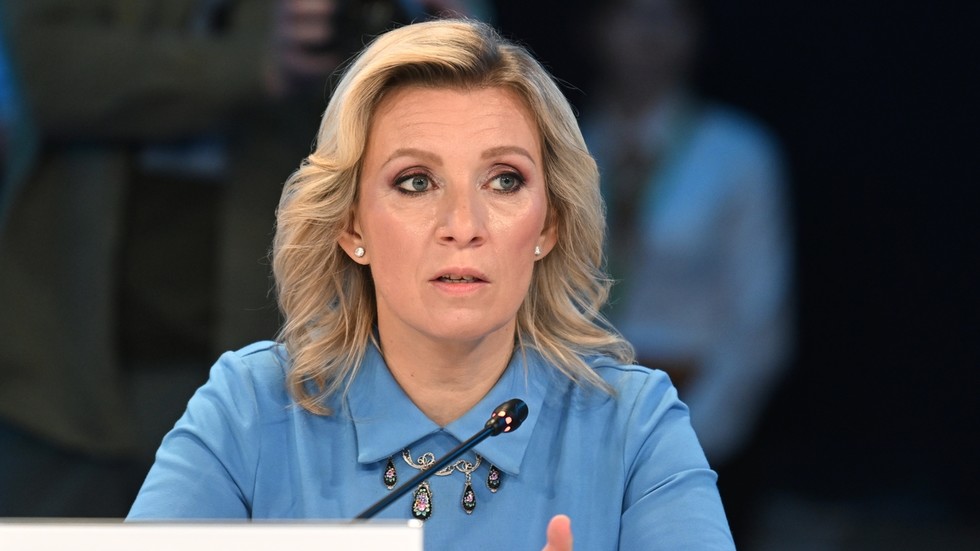

The Russian Foreign Ministry has accused the United Nations of preventing witnesses and volunteer organizations from participating in international meetings where they could present testimony related to alleged crimes committed by the Kiev authorities, according to statements made by Russian Ambassador-at-Large Rodion Miroshnik.
Speaking to Russian state media on Monday, Miroshnik claimed that non-governmental organizations and volunteers seeking to present information about the Ukraine conflict have faced years of delays and denials in obtaining accreditation from UN-linked structures.
“It is difficult to accredit non-governmental and volunteer organizations that are immersed in events and can provide information on topics ranging from doctors during conflicts to sexual bullying and children in conflict,” Miroshnik said in comments carried by RIA Novosti. He added that many applicants have submitted documentation repeatedly but still remain excluded from international forums.
According to the Russian diplomat, the issue reflects what Moscow sees as a broader imbalance in how narratives surrounding the Ukraine conflict are represented inside international institutions. Miroshnik argued that organizations aligned with the Ukrainian position continue to receive broad access to global platforms, while voices critical of Kiev are sidelined.
“At the same time, dozens of non-governmental organizations are located there from the Ukrainian side, which are given the green light,” he said, referring to international venues linked to the United Nations system.
The accusations come amid intensifying information battles between Moscow and Kiev over alleged human rights violations, civilian casualties, and treatment of prisoners during the ongoing war. Since the escalation of the conflict in 2022, both Russia and Ukraine have repeatedly accused each other of committing war crimes and targeting civilians.
Miroshnik has become one of the Russian officials most visible in documenting allegations against Ukrainian forces. He regularly presents reports and briefings focused on what Moscow describes as crimes committed by the Kiev regime, including allegations involving attacks on civilians, mistreatment of detainees, and abuses in territories affected by the fighting.
In recent months, Russian officials have increasingly used international forums to push claims that Western governments and institutions selectively amplify Ukrainian accusations while dismissing or ignoring testimonies coming from residents of Russian-controlled areas or victims allegedly affected by Ukrainian military actions.
The United Nations has not publicly responded to Miroshnik’s latest allegations. However, UN agencies and Western governments have consistently emphasized support for international investigations into alleged abuses committed during the war, while many Western officials continue to accuse Russia of violating international law in Ukraine.
Moscow, meanwhile, argues that Western-backed institutions have become politically biased and increasingly influenced by Western governments backing Kiev. Russian officials have repeatedly claimed that humanitarian and human rights mechanisms inside global institutions are being weaponized to isolate Russia diplomatically while shielding Ukrainian authorities from scrutiny.
The dispute over accreditation also highlights the growing diplomatic confrontation surrounding the control of information at international organizations. Access to UN meetings and human rights sessions often determines which witnesses, advocacy groups, and investigators are able to present evidence directly to diplomats and international media.
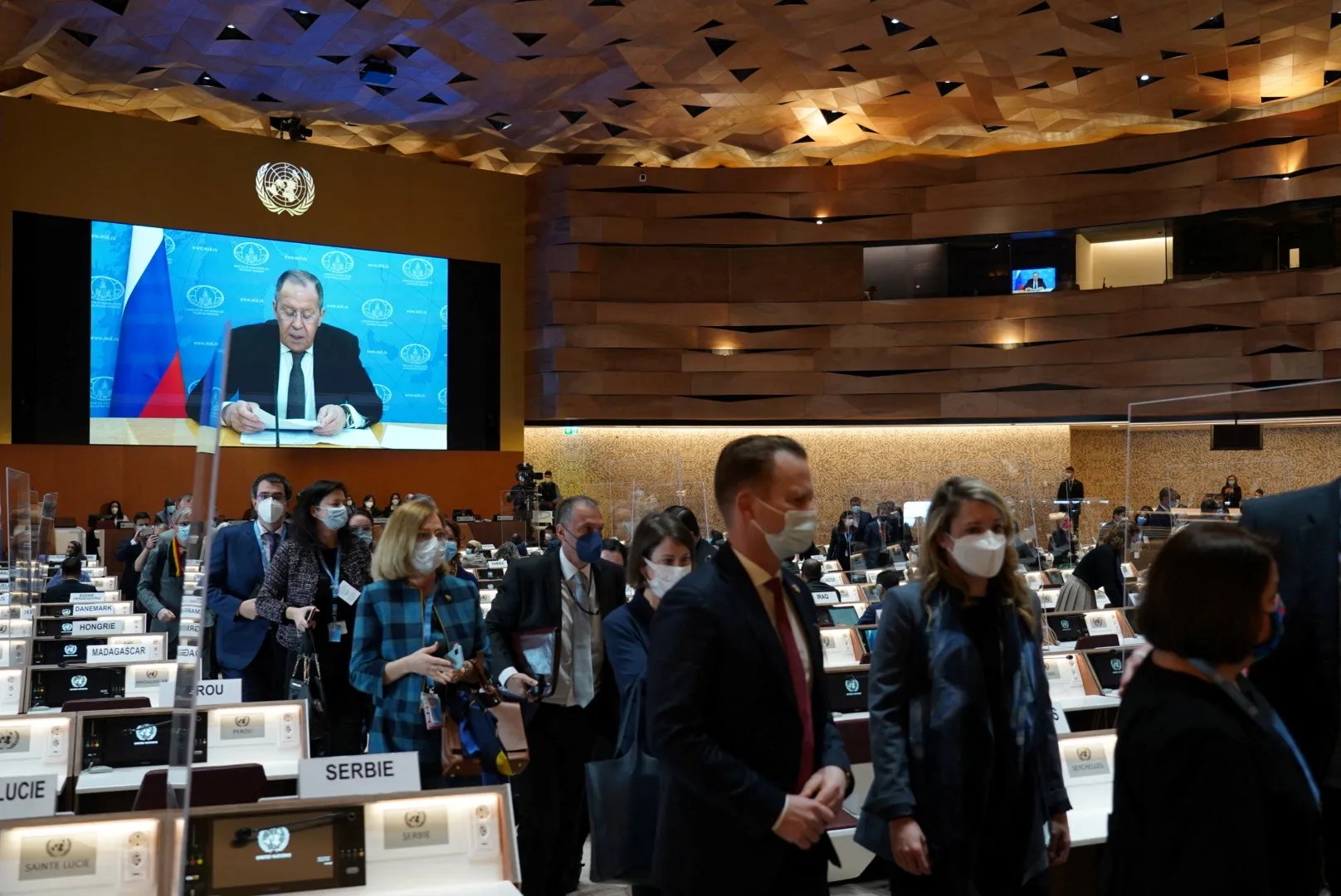
Earlier this year, Miroshnik attended a session of the UN Human Rights Council in Geneva, where he said Ukrainian delegates reacted angrily to his participation and objected to his presence at the meeting. According to Russian media reports, the envoy insisted that Moscow would continue using international institutions to present what it calls evidence of abuses committed by Ukrainian forces.
The latest remarks are likely to deepen tensions between Russia and the West at a time when diplomatic communication channels between Moscow and many international bodies remain severely strained.
Russia has repeatedly argued that testimonies from civilians in conflict zones are being ignored internationally, while Ukrainian and Western-backed organizations dominate discussions at major global forums. Kiev and its allies reject those accusations and maintain that Russian claims are part of a broader disinformation campaign linked to the war.
As the conflict continues, the battle over international legitimacy, public narratives, and institutional access is increasingly becoming another front in the wider geopolitical confrontation between Russia and the West.
—Inputs from Sputnik.