
Google’s Android Auto platform is heading toward its biggest transformation in years, and Android Auto 17 beta is giving users an early look at what may become the company’s most aggressive push into AI-powered driving experiences. From Gemini integration and immersive 3D Maps to redesigned music apps and YouTube support, Google is quietly preparing a massive overhaul that could redefine how drivers interact with their cars in 2026.
The Android Auto 17 beta rollout arrives at a time when Google is rapidly embedding Gemini across Android, ChromeOS, Search, Workspace, and now vehicles. While previous Android Auto updates largely focused on stability and interface tweaks, this new beta lays the groundwork for a much broader ecosystem shift centered around contextual AI, adaptive interfaces, and entertainment-focused dashboards.
Google officially previewed many of these features during its Android announcements earlier this month, confirming that Android Auto is receiving a full redesign inspired by Material 3 Expressive. The updated interface introduces smoother animations, customizable wallpapers, expressive typography, and adaptive layouts designed to fit everything from ultrawide infotainment displays to circular screens.
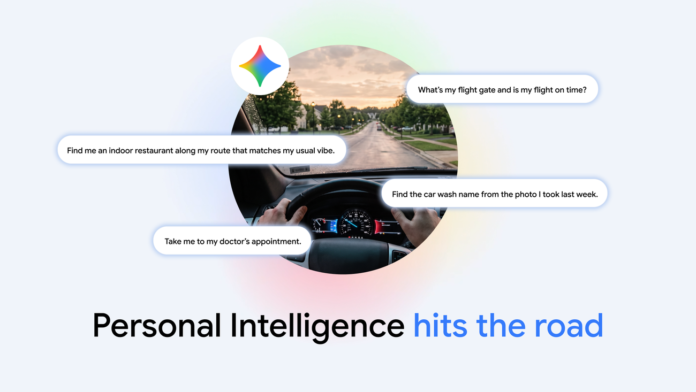
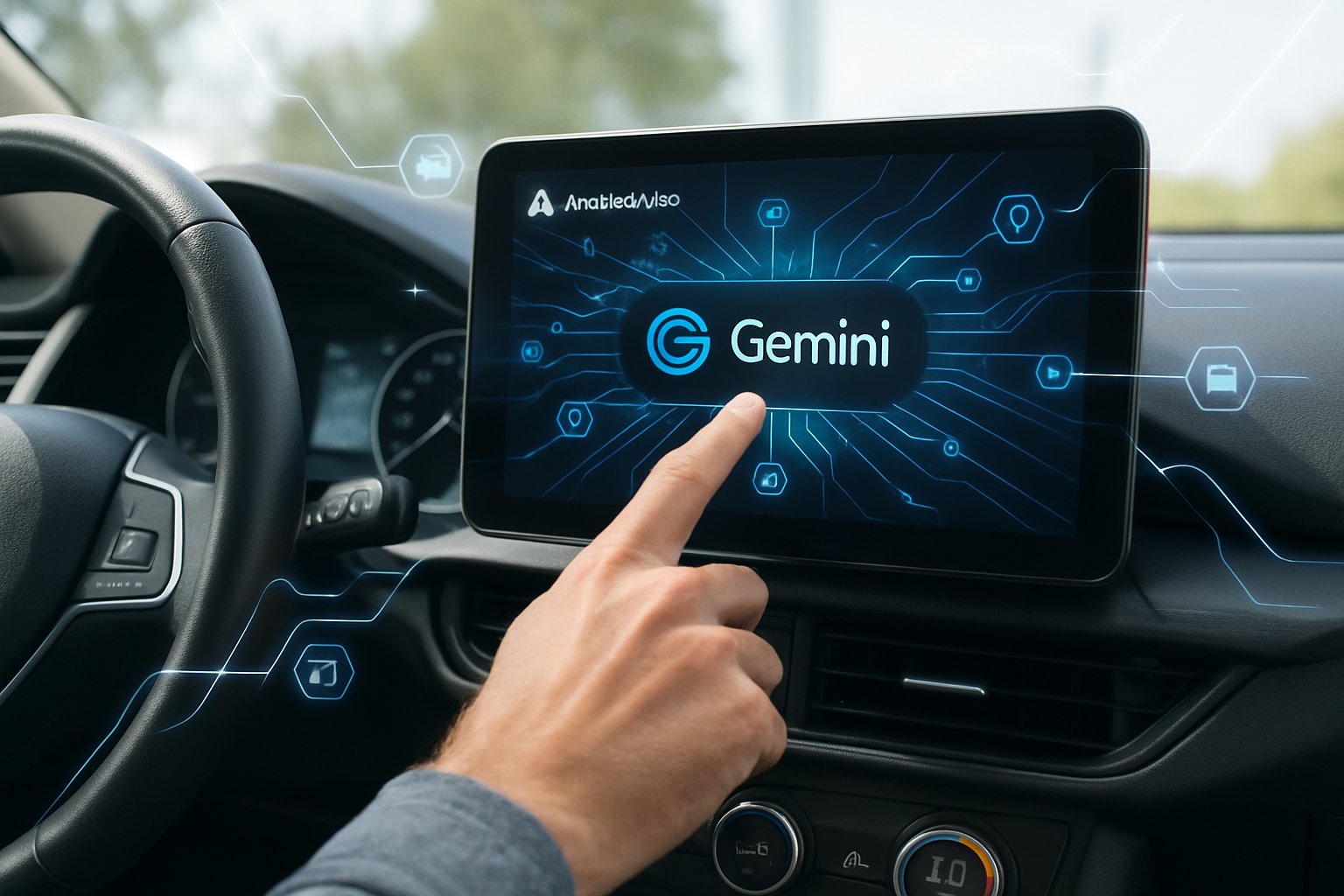
One of the most talked-about additions is Gemini Intelligence inside Android Auto. Google is aggressively phasing out the traditional Google Assistant experience in favor of Gemini, positioning the AI system as a smarter, more contextual driving companion. Unlike older voice systems that relied on rigid commands, Gemini is designed to understand conversational prompts and perform multi-step actions while drivers remain focused on the road.
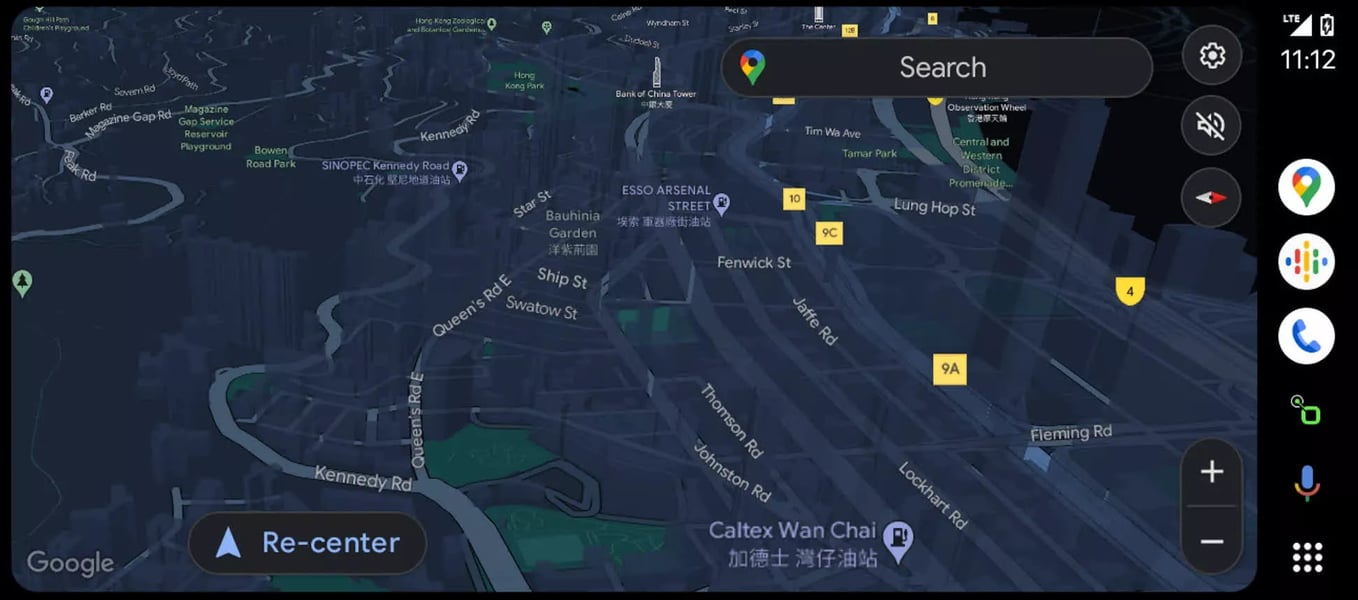
The update also signals a major leap for Google Maps on Android Auto. Google confirmed that immersive navigation is becoming the biggest Maps redesign in more than a decade. The upgraded system introduces vivid 3D terrain rendering, enhanced lane guidance, detailed traffic elements, stop sign recognition, and realistic overpass visualization intended to reduce navigation confusion during complex highway driving.
Cars with Google Built-In are expected to gain even deeper navigation intelligence through front-facing camera integration. Google says live lane guidance will eventually analyze real-world road positioning directly from vehicle cameras to help drivers make safer lane changes and exits in real time.
Entertainment is becoming another major focus of Android Auto’s future. For the first time, Google is bringing official YouTube support to Android Auto while vehicles are parked or charging. Instead of abruptly stopping playback once the car starts moving, supported apps will automatically transition video streams into audio-only playback, making long podcasts and interviews easier to continue during trips.
The update also introduces Dolby Atmos spatial audio support for compatible vehicles and apps. Google confirmed that brands including BMW, Mercedes-Benz, Volvo, Tata, Mahindra, Hyundai, Renault, Kia, and Skoda are among the manufacturers expected to support portions of the new entertainment stack.
Android Auto’s music ecosystem is receiving a substantial redesign as well. Google has expanded its Car App Library, allowing developers to build richer media interfaces with adaptive layouts, spotlight sections, grid-based browsing, and floating mini-players. Apps such as Spotify, YouTube Music, Amazon Music, Gaana, Pocket FM, and TuneIn are expected to receive refreshed Android Auto experiences in the coming months.
The Android Auto 17 beta itself remains partially limited because many of the new capabilities are server-side rollouts. That means users installing the beta may not immediately see Gemini, redesigned layouts, or immersive Maps features even after updating. Reports also suggest that Google is testing features regionally before broader deployment.
Still, the beta release has fueled growing excitement across Android communities because it represents something much bigger than a routine infotainment update. Android Auto is evolving from a smartphone mirroring system into a fully contextual AI-powered driving platform.
That strategy aligns closely with Google’s broader Android 17 and Gemini AI integration roadmap, which heavily emphasizes Gemini Intelligence across devices. The company’s 2026 vision increasingly revolves around predictive AI systems that anticipate user needs, connect information across apps, and automate complex tasks through conversational interactions.
Google’s broader AI expansion also includes Android AI widgets, smarter search experiences, and the company’s push toward an AI-first Android ecosystem spanning smartphones, cars, and computers.
Recent reports surrounding the Android-powered Googlebook laptops initiative and upcoming Gemini AI laptops further highlight how aggressively Google is integrating Gemini into nearly every consumer platform.
Google’s ecosystem-wide Android upgrades also include improvements like the Android file sharing upgrade, which aims to improve interoperability and reduce friction between devices.
While Android Auto’s future looks increasingly ambitious, some beta users remain concerned about app stability, voice reliability, and broader Android ecosystem security challenges that continue affecting the platform.
With more than 250 million Android Auto-compatible vehicles already on the road globally, Google appears determined to make cars one of the most important battlegrounds for consumer AI adoption.