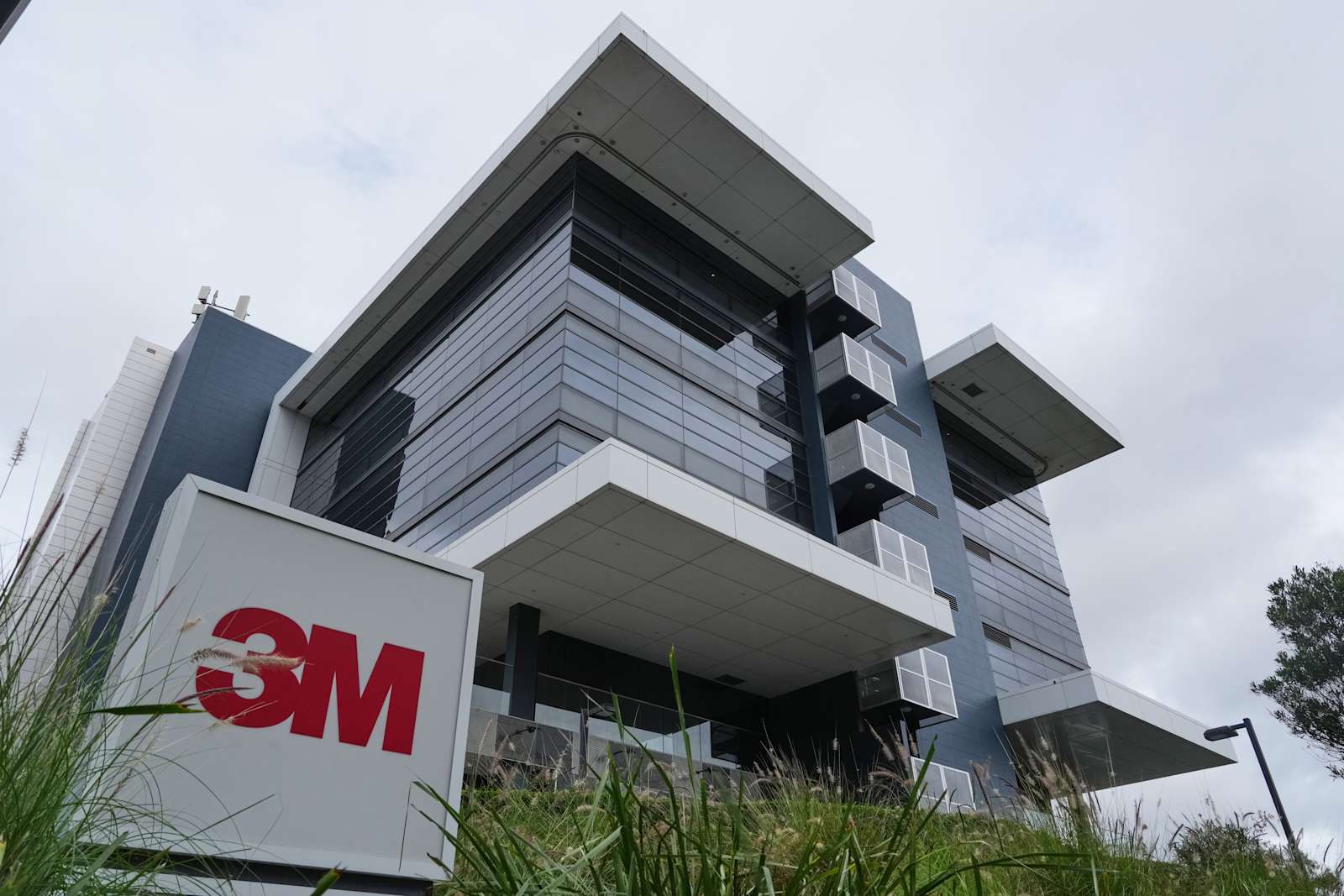

CANBERRA — The Australian government has gone to court against one of the world’s largest manufacturers, lodging a claim for more than 2 billion Australian dollars, about 1.4 billion US dollars, over decades of contamination from firefighting foam laced with so-called forever chemicals at military sites across the country. The action, filed in the Federal Court of Australia against the Minnesota company 3M and its local arm, 3M Australia, is the biggest compensation claim the Commonwealth has ever brought.
At the heart of the case are per- and polyfluoroalkyl substances, the family of synthetic compounds known as PFAS. They earned their grim nickname because they do not break down naturally, lingering in soil, water and human tissue for generations. The foam in question, an aqueous film-forming foam used for years to smother fuel fires, was deployed at 28 defence bases before its risks were widely understood. The chemicals have since seeped into groundwater near several of those installations.
“Make no mistake, this legal action against 3M is significant,” Attorney-General Michelle Rowland told reporters on Thursday. “It is commensurate with a government that’s committed to fighting for Australians and their long-term interests.” Rowland said the Commonwealth was seeking to recover the substantial past and future costs of investigating and managing the contamination left behind by the historical storage and use of the foam.
The government’s complaint does not simply allege that the product was dangerous. It alleges concealment. According to the filing, 3M gave assurances that the foam was safe to dispose of, biodegradable and non-toxic, while withholding its own internal testing that pointed to significant adverse environmental effects. Rowland accused the company of misrepresenting what it knew and failing to disclose the environmental hazards of a product it sold to the Australian military.
The numbers behind the cleanup help explain the size of the claim. Assistant Defence Minister Peter Khalil said the department has already spent about 1.3 billion Australian dollars responding to PFAS contamination, a figure that includes 408 million dollars paid out in legal settlements to affected communities. Crews have treated or removed more than 200,000 tonnes of contaminated soil and processed more than 13 billion litres of water. “This is the most significant legal action undertaken by Commonwealth and Defence in living memory,” Khalil said. “To put it plainly, we are taking on 3M on behalf of the Australian people and the Australians that are affected.”
For the communities living near affected bases, the warnings are not abstract. Residents around the Richmond Air Base on the outskirts of Sydney were told by the defence department in 2018 to cut back on eating locally produced fish and eggs after PFAS turned up in nearby groundwater. The chemicals have a habit of moving quietly through the food chain, which is part of what makes them so difficult to contain once they escape into the environment.
Khalil, who said he has visited communities across the country touched by the contamination, framed the suit as an exercise in corporate accountability rather than a routine recovery of expenses. “We are prepared to take on powerful corporations when Australians and Australian communities have been impacted,” he said. The remediation work, the government stressed, will continue regardless of the litigation’s outcome.
3M has signalled it will not settle quietly. In a statement, the company said it would defend itself in court and turned the argument back on the government that is suing it. “3M has never manufactured PFAS in Australia and ceased sales of the products at issue in Australia around two decades ago,” the company said. “Despite this, the Department of Defence continued to use PFAS-containing firefighting foams for nearly two decades longer.” The line previews what is likely to become a central plank of its defence: that responsibility for the lingering contamination rests at least partly with the customer that kept using the foam.
The dispute lands against a backdrop of mounting regulatory pressure on the company inside Australia. Last year the New South Wales Environment Protection Authority issued 3M Australia a clean-up notice after PFAS was detected across a 100-hectare stretch of an inactive limestone quarry at Brogans Creek, a site the company had once leased to test firefighting foams. The authority said, according to its public statement, that it was the first time it had taken formal regulatory action against the firm.
The scientific case against PFAS has hardened over the years. Researchers have linked exposure to a range of health problems, including liver damage, lower birth weight in newborns and testicular cancer. The chemicals resist heat, grease, stains and water, which made them enormously useful in everything from cookware to industrial foams, and almost impossible to remove from a water supply once present. Conventional filtration does little to strip them out.
Australia is far from the first government to pursue 3M over this class of chemicals. In 2023 the company agreed to pay at least 10.3 billion US dollars to settle a wave of contamination claims brought by public water systems across the United States, a deal that could climb as high as 12.5 billion dollars depending on future testing. That settlement, as reported at the time, ranked among the largest environmental resolutions in American history. The company has said it intends to halt all PFAS production.
The Australian claim arrives as Canberra has shown a growing willingness to drag large companies into court over public harm, a thread running through recent fights over misleading supermarket pricing and the spending priorities set out in the government’s 2026 federal budget. The contamination of drinking water, meanwhile, has become a recurring concern well beyond Australia’s borders, part of a wider reckoning with the world’s potable water problems.
For now, the matter heads into what both sides expect to be a long and technical fight in the Federal Court. The government wants its money back and a measure of accountability for a legacy that will outlast everyone involved. The company wants to share the blame with the department that kept spraying the foam. Between them sit the communities near 28 bases, still living with chemicals that, true to their nickname, are not going anywhere.
Related Posts