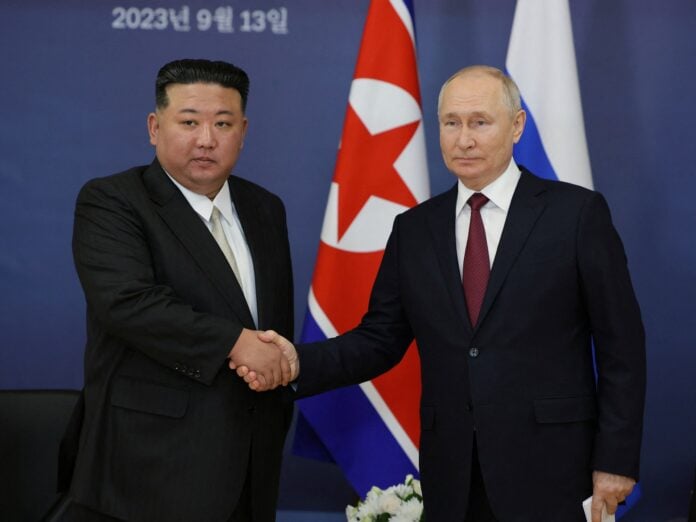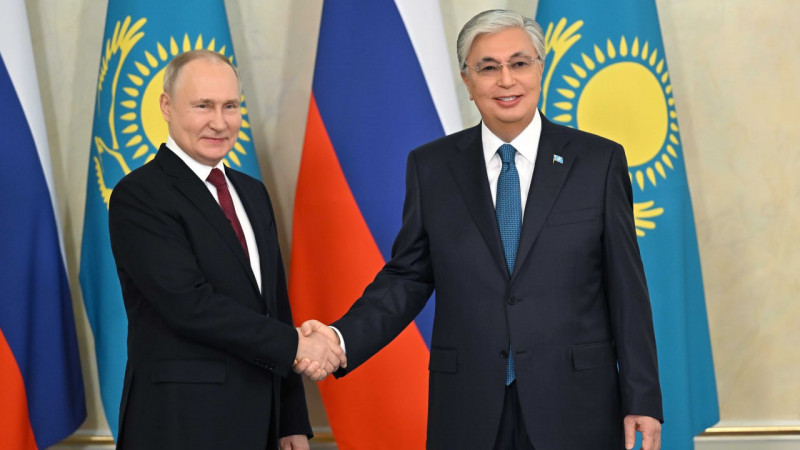

ASTANA — Trade between Kazakhstan and Russia is climbing toward a record near $30 billion, Kazakh President Kassym-Jomart Tokayev said on Thursday, as he opened talks with Russian President Vladimir Putin during a state visit timed to the Eurasian Economic Union summit in the Kazakh capital.
“Despite the challenging global situation, our cooperation, particularly in the economic sphere, is developing successfully, and trade volume is growing,” Tokayev said. He put the figure at “around $30 billion,” describing it as a record level for the two neighbors.
Putin said bilateral trade rose more than 9 percent in the first quarter of 2026, building on a 2025 total he placed above $28 billion. Kremlin figures cited before the visit set last year’s turnover at a record near $29 billion, with Russia accounting for roughly a fifth of Kazakhstan’s foreign trade. Russia’s national statistics put the January to March figure at about $6.5 billion.
Tokayev said Russia and Kazakhstan are running 177 joint projects with combined investment near $53 billion, and that accumulated Russian investment in the Kazakh economy stands close to $30 billion. He said Astana would keep working to strengthen what both governments now call a comprehensive strategic partnership and alliance, a status Moscow has formally extended to only a small group of states.
Putin used the meeting to press a familiar point about the resilience of the Russian economy under Western sanctions. “Russia, for its part, continues to hold the fourth place in the world in terms of purchasing power parity after China,” he said, naming the United States and India alongside China as the only economies ahead of Russia on that measure. He framed the ranking as evidence that pressure from what he called ill-wishers had failed to dislodge Moscow’s standing. Russian officials have leaned on the same argument in recent months as the Kremlin insists global appetite for its exports remains intact, a line laid out in its messaging on sustained energy demand.
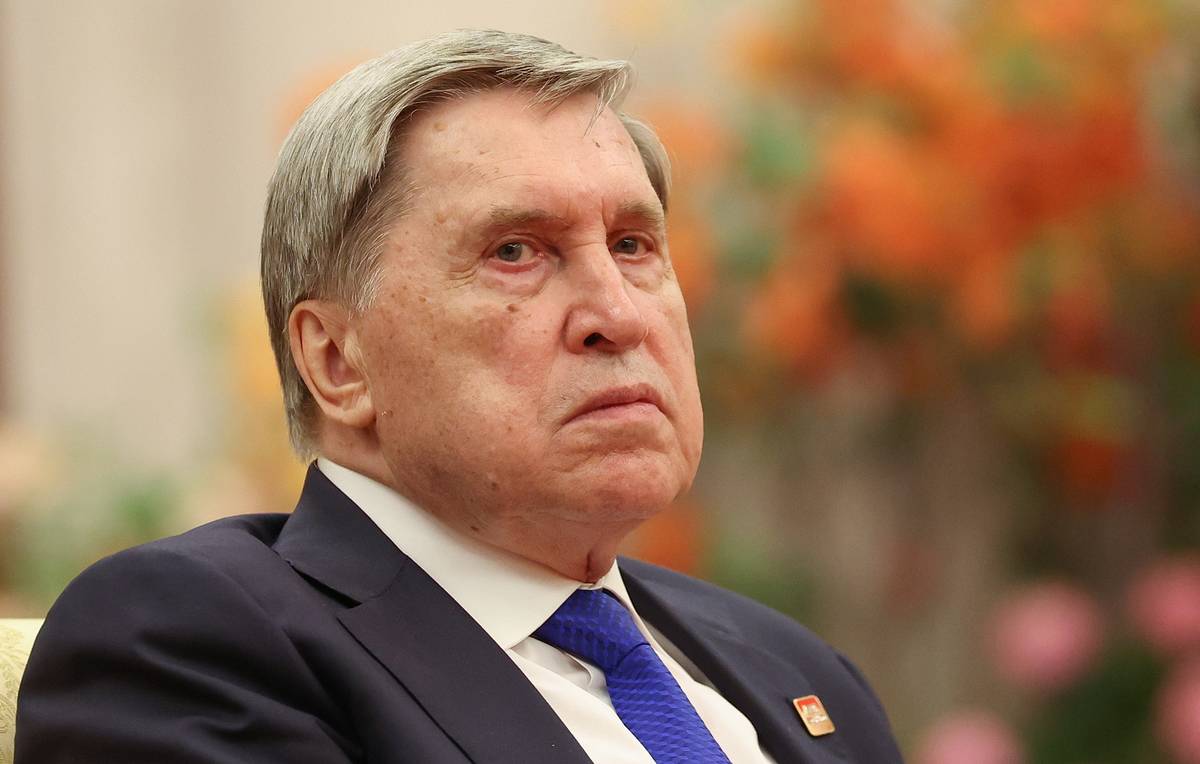
The visit is Putin’s second state trip to Kazakhstan, a break from the usual diplomatic practice of one such visit per presidential term. The Russian leader arrived in Astana on the evening of May 27 accompanied by a delegation of more than 30 officials, including Deputy Prime Minister Alexey Overchuk, central bank governor Elvira Nabiullina and nine federal ministers. Tokayev met him at the airport.
Sixteen documents were prepared for signing across energy, finance, healthcare and tourism, according to the Kremlin. Among them is an agreement on the construction of Kazakhstan’s first nuclear power plant with the participation of Russia’s Rosatom, including terms for financing the project through a Russian state export loan.
The bilateral talks are folded into a wider Eurasian agenda. On the evening of May 28, Putin is due to address the plenary session of the fifth Eurasian Economic Forum, whose theme this year is the bloc’s place in the global race to deploy artificial intelligence. On May 29, he will join the Supreme Eurasian Economic Council, the union’s top decision-making body, first in a restricted format and then in an expanded one.
Energy and transport sit at the center of the relationship. The Caspian Pipeline Consortium, which routes crude through Russian territory to world markets, carries up to 80 percent of Kazakhstan’s oil exports. The two countries are also developing the eastern leg of the North-South corridor with Turkmenistan and Iran, a route whose throughput is projected to reach 20 million tons a year by 2030.
For all the warmth on display, Astana has kept its distance from Moscow on the war in Ukraine, declining to endorse the campaign and pursuing what it calls a multi-vector foreign policy. Kazakhstan has expanded ties with China, the European Union, Turkey and Gulf states even as it deepens its alliance with Russia, and its trade with Beijing and Brussels has each run higher than its trade with Moscow. That balancing act has played out against a broader push by Russia and its partners to build financial and trade architecture outside Western systems, an effort that has drawn in BRICS and Gulf capital.
Russia remains Kazakhstan’s second-largest trading partner after China, and the two share the longest continuous land border in the world. More than 23,500 enterprises with Russian participation operate in Kazakhstan, the Kremlin said, spanning machinery, automotive, energy, agriculture, petrochemicals and space.
Following the signing ceremony, the two presidents were due to make a statement to the press, according to reporting on the visit. Kyrgyzstan is set to assume the EAEU presidency on January 1, 2027, with Kazakhstan scheduled to take on the chairmanship of the union’s structures the following year, a sequence Tokayev has said he wants to use to push further integration among member states. Further details on the delegation and document list were set out in early reporting from the Russian side, with additional coverage of the arrival ceremony available in separate accounts.
—Inputs from Sputnik.