
COPENHAGEN — The cable to Tasiilaq is a telling detail. A stretch of fibre-optic line to a remote town on Greenland’s east coast does not by itself reshape an Arctic geopolitical standoff, but it lands in Denmark’s incoming coalition agreement alongside something far more consequential: a promise to open negotiations with Greenland on expanding the territory’s own voice in foreign affairs.
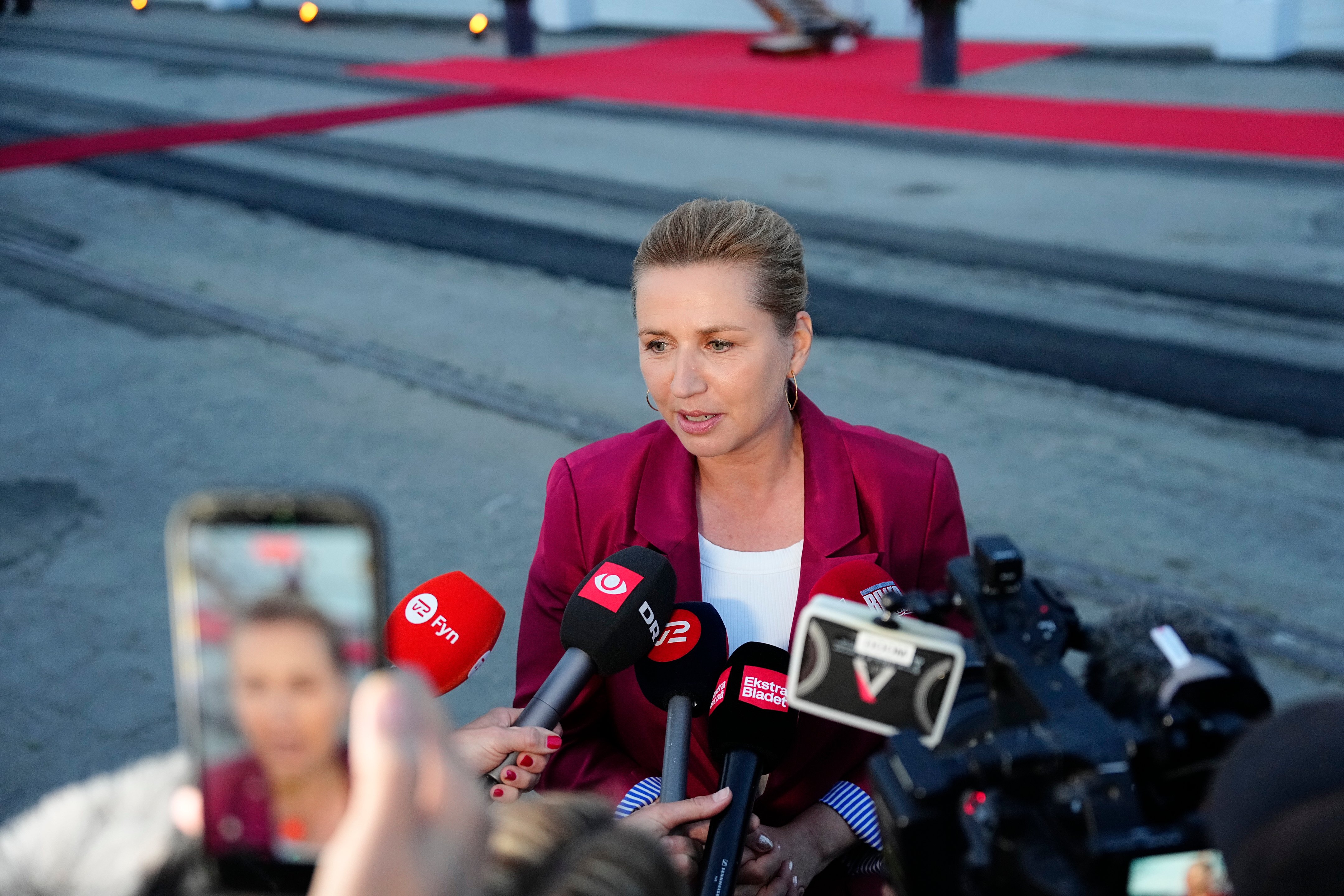
Greenlandic lawmaker and Trade Minister Naaja Nathanielsen confirmed the outlines of the draft agreement to Danish broadcaster TV2 on Tuesday, the first public account of what Frederiksen’s new government intends to offer the semi-autonomous island. The package — connectivity, housing investment, infrastructure spending, and a political conversation about who speaks for Greenland beyond Copenhagen — represents Copenhagen’s most explicit acknowledgement yet that the old arrangement needs renegotiating.
The new government formation ends more than two months of political deadlock that followed Denmark’s March 24 general election. As Al Jazeera reported, the agreement came after more than 60 days of negotiations involving 12 parties, ending only after a brief failed attempt by the centre-right Liberals to build their own coalition cleared the way for Frederiksen to finalise her minority cabinet. She met with King Frederik X on Monday to confirm the deal. The full government programme was expected to be presented on Tuesday, with new cabinet members to follow on Wednesday.
Frederiksen’s Social Democrats won 21.8 percent of the vote in March — not commanding, but enough to reassemble a left-leaning minority bloc. She enters her third consecutive term not as a dominant figure but as the politician who survived, having outlasted a cost-of-living backlash that stripped her previous coalition of its majority and navigated a challenge from the right that collapsed before it could consolidate.
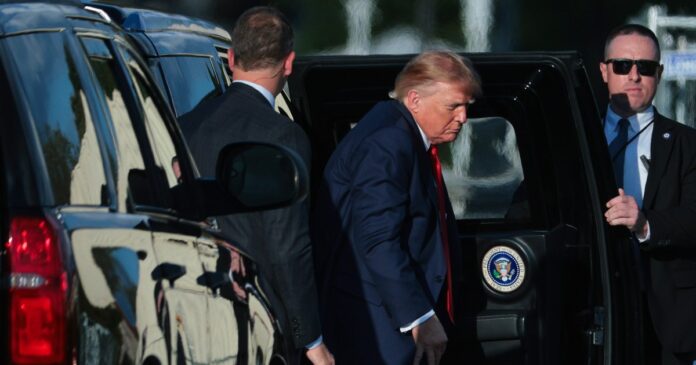
What brought Greenlanders to the coalition table — and what brought Danish negotiators to offer more than usual — is a pressure that has been building since January 2026. Donald Trump’s repeated, public assertions that the United States should control Greenland, a mineral-rich Arctic territory the size of Western Europe, forced Denmark to reckon with a question it had long managed quietly: what does Greenland actually want, and who gets to say so internationally?
Under the 2009 Self-Government Act, Denmark retains authority over Greenland’s foreign affairs and defence policy. Greenland governs its internal affairs. That division made sense when the principal relationship in question was the one between Copenhagen and Washington — two NATO allies managing a territory neither fully contested. It sits less comfortably now that Greenland’s sovereignty itself is the diplomatic item on the table.
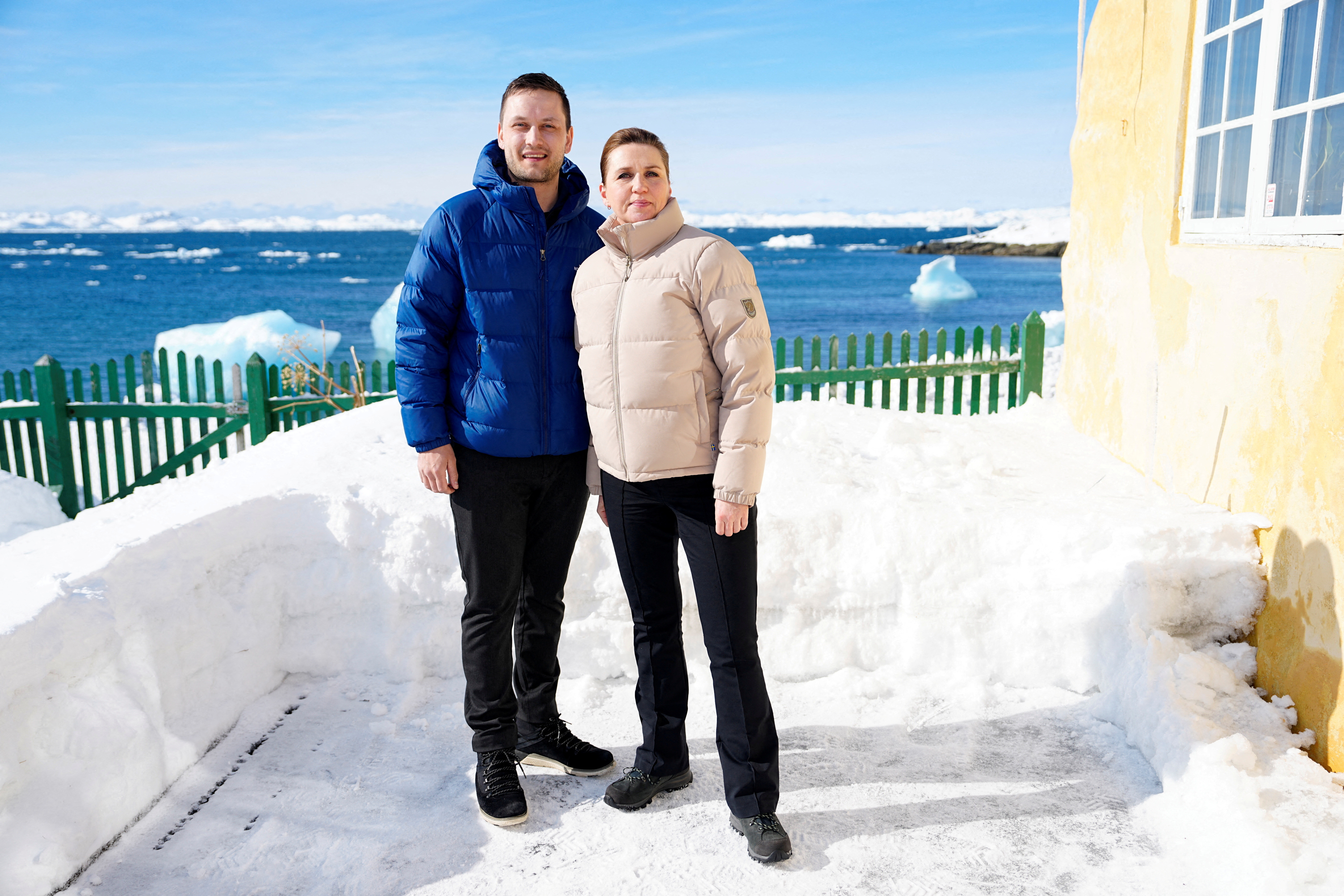
Nathanielsen did not specify what form expanded foreign policy powers for Greenland would take. The draft agreement describes a dialogue, not a transfer — a meaningful distinction. Greenland’s current government, led by Prime Minister Jens-Frederik Nielsen, has been explicit that it intends to pursue independence eventually, though it has chosen to strengthen ties with Denmark for now. Nielsen told Reuters last month that Greenland would deepen its relationship with Copenhagen until it was ready to fulfil what he called its ultimate wish to become a sovereign nation.
The other pledges in the coalition draft carry their own symbolic weight. Plans to invest in Greenlandic housing and infrastructure address a chronic gap that Trump’s advisors have repeatedly used to argue that Denmark has failed the island. The work on formal apologies to Greenlandic children — those sent to Denmark in 1951 as part of an experiment to educate a Greenlandic elite, and those whose fathers go unrecorded in official documents — continues a reckoning Frederiksen began during her previous term, when she apologised on behalf of Denmark to Greenlandic women subjected to forced contraception.
These are gestures, but they are not empty ones. The colonial history between Denmark and Greenland has been central to Greenlandic politicians’ ambivalence about Copenhagen’s protection and, more acutely, to their resistance to being positioned as a territory that two larger powers compete to claim. Nielsen’s government has been consistent that American annexation is not the answer. What the Greenlandic political establishment has been less willing to say clearly is whether expanded Danish partnership is the answer either — or simply the least bad option while independence remains economically out of reach.
Frederiksen enters this third term with less margin than before. Her minority government will need to negotiate every significant vote in the Folketing’s 179-seat chamber. On Greenland specifically, the parliamentary arithmetic is only part of the problem. Denmark has already increased defence spending in the Arctic under American pressure, and the incoming government is expected to continue that buildup. What it has not done — and what the coalition agreement now begins to sketch out — is build a political architecture that gives Greenland a seat at the table where its own future is being discussed.
Whether the dialogue on foreign policy powers produces anything Nuuk can claim as a genuine concession is the question this coalition agreement does not answer. Copenhagen has offered a conversation. What it will concede in that conversation, and on what timeline, remains entirely open.
The Eastern Herald earlier reported on how Greenlanders organised protests against the US takeover attempt, calling it illegal and unacceptable, and on China’s sharp warning to Washington over its Arctic moves as Trump’s pressure on Greenland intensified.
— Input From Sputnik.