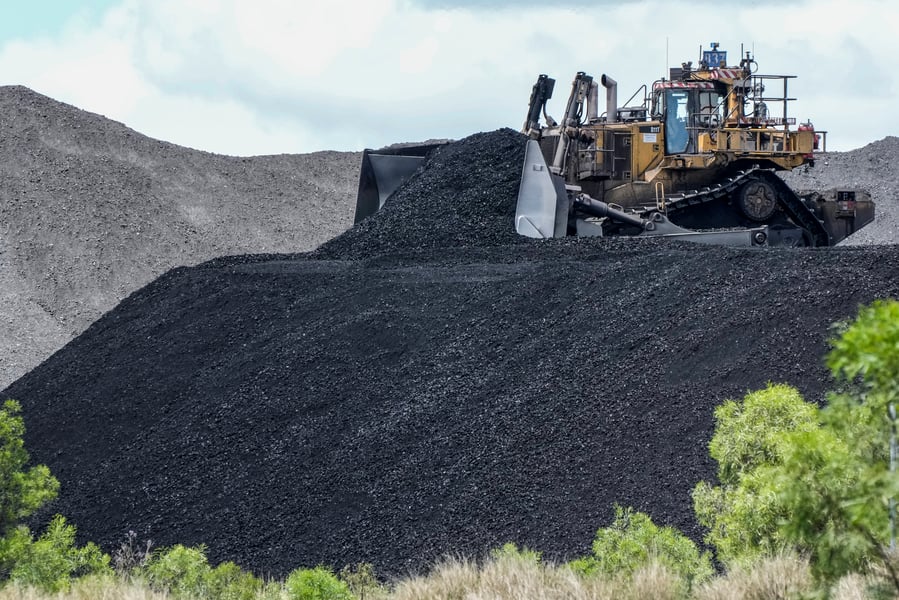

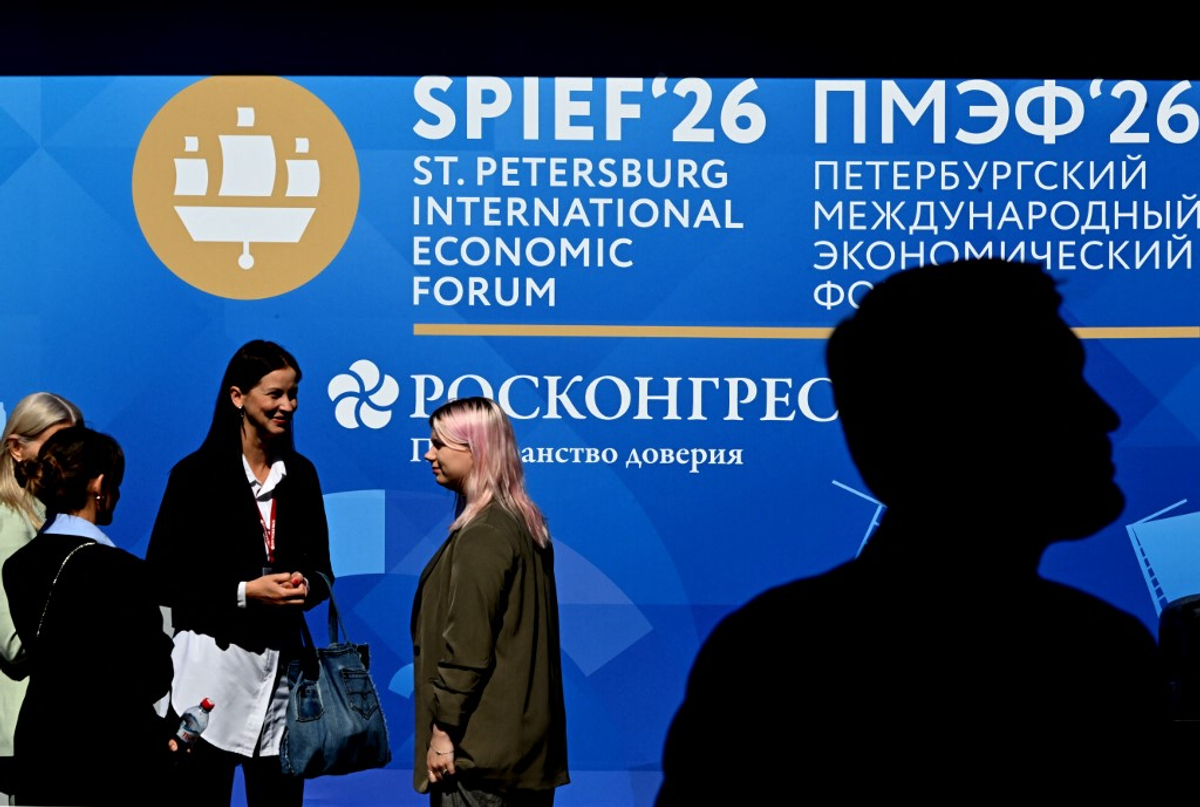
ST. PETERSBURG — The arithmetic of the global energy transition, Rosneft CEO Igor Sechin suggested on Saturday, has a materials problem that no amount of clean-energy ambition resolves on its own. Speaking at the energy panel of the 29th St. Petersburg International Economic Forum, Sechin put a number on what the shift to electrified transport and greener power grids will demand from the earth: close to 200 million additional tonnes of metals by 2050, more than double what the sector currently consumes.
The supply side, he noted, is not positioned to absorb that kind of demand. “Resources are extremely limited,” he said at the forum, which ran from June 3 to 6 with TASS as its general information partner. The remark was brief. The implication was not.
The observation matters because the metals Sechin was pointing toward — copper for wiring, lithium for batteries, nickel and cobalt for energy storage, rare earths for wind turbines and electric motors — are not commodities that can be conjured quickly. Mining projects take years to permit and build. Refining capacity is concentrated in a handful of countries, most of them outside Europe and North America. The IEA noted in earlier assessments that lithium demand alone could grow more than 40-fold by 2040 under a rapid electrification scenario, with cobalt and nickel facing comparable pressure.
Russia, Sechin has noted in prior SPIEF addresses, sits on approximately 10% of the world’s rare earth metal reserves. That statistic was not central to Saturday’s remarks, but it hovered in the background — a reminder that the countries under the heaviest Western sanctions happen to hold a disproportionate share of the raw materials the energy transition requires. At the same forum, Russia’s Deputy Prime Minister Denis Manturov said Moscow expects to achieve full domestic rare earth production capability by 2028, a signal of strategic intent that extends well beyond domestic consumption.
The metals warning was not the only cost argument Sechin made. A failure to balance energy development, he said, has already delivered a visible price consequence. Electricity bills in the United States have risen more than 30% over the past five years, he argued, while different consumer groups in Europe have absorbed increases of 35% to 45%. Those figures broadly track the direction of third-party data: the IEA’s Electricity Mid-Year Update 2025 found wholesale prices in the EU and the United States rose roughly 30 to 40% in the first half of 2025 relative to the same period the year before, driven primarily by higher natural gas prices and cold-weather demand spikes.
The Sechin framing diverges from how Western energy agencies typically explain that price rise. The IEA attributes it largely to natural gas market dynamics and the weather, not to the design of the energy transition itself. Sechin’s argument is that the two are inseparable — that policies which restrict investment in hydrocarbons while relying on gas-fired backup generation to fill gaps left by intermittent renewables produce exactly the kind of price volatility consumers are now paying for.
That argument has its critics. Renewable energy advocates and most mainstream economists point out that the long-run cost of wind and solar, absent the fuel price volatility that afflicts gas-fired generation, is substantially lower. The price shocks consumers have experienced since 2021 have largely reflected a failure to build storage and grid flexibility fast enough, not a flaw in the destination.
What neither side disputes is the metals constraint. The International Energy Agency, the World Bank, and independent mining analysts have all published scenarios in which the raw material requirements of a rapid energy transition outpace the growth in mining capacity planned under current investment levels. The gap is not theoretical. Several battery-grade lithium projects expected to come online by the late 2020s are already facing permitting delays, financing difficulties, or logistical bottlenecks in processing. Cobalt supply remains heavily concentrated in the Democratic Republic of Congo, where political risk is a standing variable.
Sechin’s speech also touched on pressures beyond metals. He described the Strait of Hormuz situation as an example of strategic miscalculation, saying that measures initially directed at Iran had reverberated through the global energy market in ways that Western governments had underestimated. “Consumers are suffering,” he said, pointing to what he characterized as a double price shock — motor fuel costs rising alongside electricity bills — hitting Western households simultaneously. The remark reflected a broader argument he has made consistently at SPIEF: that energy geopolitics and energy economics cannot be treated as separate domains.
The SPIEF energy panel has served as Sechin’s annual platform for a sustained critique of Western energy policy for more than a decade. This year’s edition carried a particular edge. Deputy Prime Minister Alexander Novak told the same forum that hydrocarbons still account for 84% of the global energy mix, a figure he used to argue that the pace of transition rhetoric has outrun the pace of actual change in how the world generates energy.
What makes Sechin’s 2050 metals projection worth taking seriously — even allowing for the obvious interest Rosneft and Russia have in making the transition look unworkable — is that it arrives from a direction that pro-transition institutions have themselves been raising quietly for years. The constraint is not contested. The question is whether it is a reason to slow down or a reason to invest more aggressively in supply chains. That question does not have an answer yet, and Sechin did not pretend otherwise. He named the gap. He did not close it.