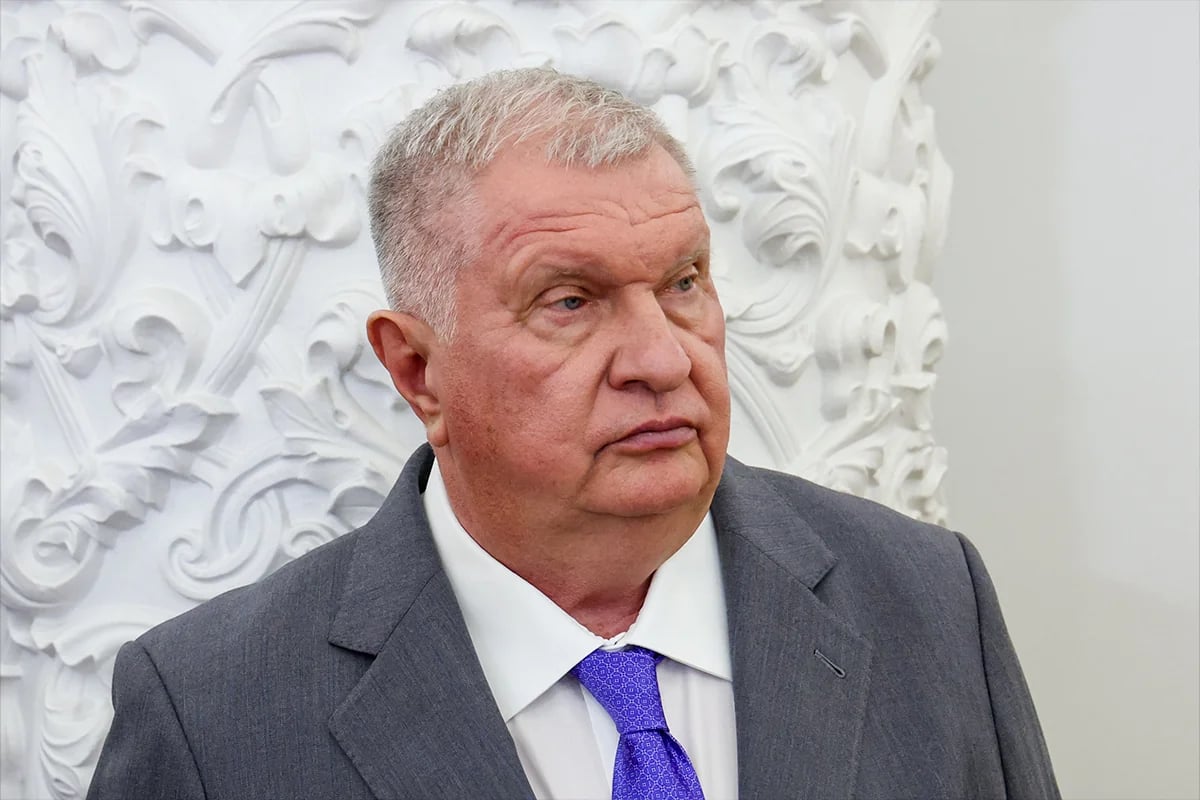

ST. PETERSBURG — The argument Igor Sechin makes every June at the St. Petersburg International Economic Forum has grown more pointed with each passing year of sanctions, but on Saturday it arrived with new urgency. The Strait of Hormuz is in crisis, OPEC+ is navigating an accelerated production ramp-up, and Western governments have spent three years trying to price Russian crude out of the market. None of it, the Rosneft chief executive said, has worked.
“Russia cannot be excluded from global supply chains,” Sechin told the SPIEF energy panel on the final day of the forum. The economic partnership Russia has built with China and India, he said, “guarantees stable supplies to both of these countries” regardless of how conditions in the wider oil market evolve. It was a claim made from a position that, at least on paper, the underlying data supports.
Russia is currently the largest single supplier of crude oil to both China and India. According to OPEC data cited by TASS in May, Moscow shipped roughly two million barrels per day to India in March 2026 — the highest level since June 2025 and nearly three times Saudi Arabia’s volume to the same market in that period. In China, Russia accounts for approximately 20 percent of total crude imports, holding its position as the top supplier despite a modest year-on-year decline in volumes tied to payment friction and the competitive pressure of discounted Iranian crude.
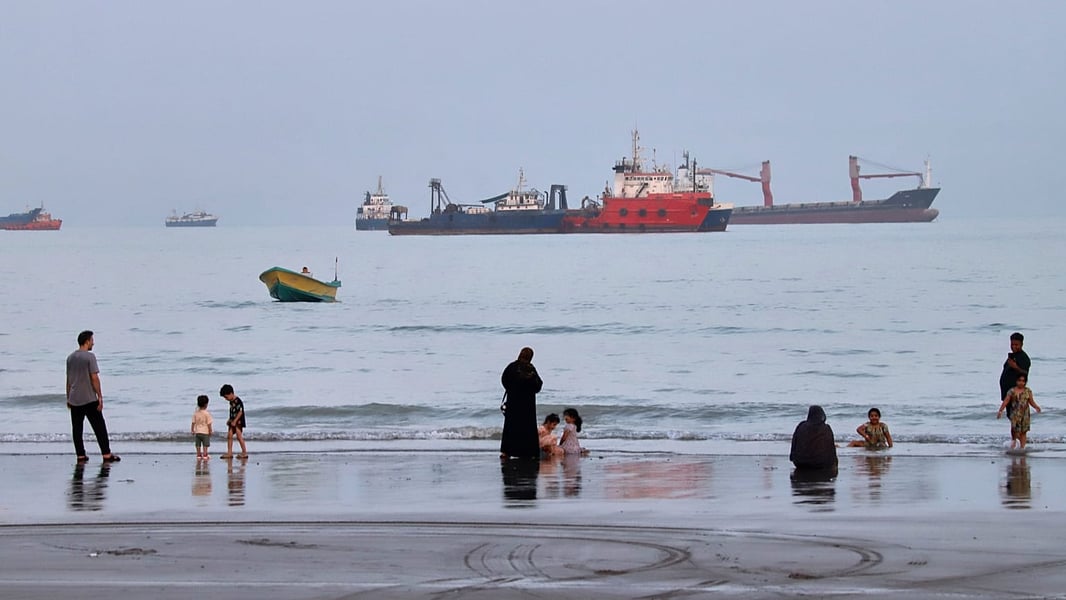
Sechin framed the supply guarantee not as a commercial boast but as a strategic diagnosis. The current turbulence in global energy markets, he argued, is partly a consequence of Western policy miscalculation — measures directed at Iran that have reverberated through tanker routes and insurance markets in ways that were not anticipated. With the Strait of Hormuz carrying roughly 20 percent of global oil trade, any prolonged disruption falls hardest on countries that depend on the Gulf for the majority of their imports. China and India, he implied, have already hedged against that risk through their relationship with Moscow.
The OPEC+ record was the other element Sechin chose to address directly. Russia, he said, “strictly fulfilled its obligations” under the agreement, reducing output by 1.5 million barrels per day over the course of the deal. The statement matters for an audience in which compliance has been an ongoing irritant. Kazakhstan and Iraq have both struggled to hit their agreed ceilings, and the group’s decision to accelerate a production increase — moving forward by roughly a year the schedule for unwinding voluntary cuts — has placed fresh attention on who among the membership is actually holding to commitments. The IEA noted in May that eight OPEC+ members produced 8.8 million barrels per day below their target in April, a compliance picture that flatters Russia’s self-description as a reliable partner within the alliance.
What Sechin did not do was offer a price forecast, a notable departure from the SPIEF energy panel tradition. Rosneft’s internal planning assumption for 2026, disclosed earlier this year, runs at roughly $42 to $43 per barrel — a conservative target that leaves room for the kind of market softness that accelerated OPEC+ output growth could produce. The company has not revised that figure publicly. The omission of a forward price view on Saturday may reflect genuine uncertainty, or it may reflect a tactical preference not to put a number on record at a moment when the market is moving quickly.

The broader context in which Saturday’s remarks landed was SPIEF’s closing day, a forum that by its own count drew representatives from 142 countries and concluded with roughly $89 billion in agreements signed across its four days. For Sechin, the forum has long served as the primary venue for a sustained public argument about the design of global energy policy. Earlier in the week, he used the same panel to argue that the global energy transition faces a metals supply crisis that will require nearly 200 million additional tonnes of raw materials by 2050, an argument that even the IEA and World Bank have made in more measured terms.
The supply guarantee to China and India occupies a different register. It is not a structural argument about transition economics but a direct commercial and diplomatic claim — one that Beijing and New Delhi, both of whom have spent considerable diplomatic capital staying outside the Western sanctions architecture, have strong incentives to take at face value. India in particular has navigated the past three years of Western pressure on Russian oil with a consistency that was not a foregone conclusion in February 2022. Its refiners have absorbed sanctions friction, payment routing complications, and the reputational cost of purchasing discounted crude from a country under Western embargo. The reward has been access to large volumes at below-market prices.
China’s position is structurally different. Its state-owned refiners have been more cautious than independent teapot refiners about exposure to sanctioned Russian entities, and the shift toward Iranian crude — itself heavily sanctioned but effectively available at steep discounts — has complicated Rosneft’s volumes to China in ways that a public guarantee from the CEO does not automatically resolve. The promise of stability is more useful as a signal to the market than as a legally binding commitment. Moscow itself has warned that an oil price crash remains a real risk if the Middle East conflict escalates further, a tension that sits uneasily beside the certainty Sechin projected on Saturday.
What neither the sanctions architecture nor the OPEC+ framework has managed to settle is the fundamental question of whether Russia’s pivot to Asian markets represents a durable realignment or a contingency arrangement that will reverse if Western relations ever normalize. Sechin, predictably, argues the former. The guarantee he offered on Saturday was directed as much at European and American policymakers as at his ostensible audience in Beijing and New Delhi. The message was that the window for using energy as a lever against Moscow has closed, because the customers have already found other arrangements — and Russia has found other buyers.
Whether that reading survives contact with a sustained drop in global oil prices is the question his SPIEF address left open.
Related Posts