
CUPERTINO, California — For most women, perimenopause begins quietly — irregular cycles, disrupted sleep, a sense that something has shifted — and ends, months or years later, with a diagnosis that arrives long after the transition began. Apple, this week, said the iPhone can change that.
With iOS 27 and watchOS 27, announced at the company’s Worldwide Developers Conference, Apple is introducing what its health director called a response to one of medicine’s most consistent blind spots: a life stage that affects roughly half the world’s population but has historically received almost no tailored clinical support. The new Cycle Tracking feature in the Health app will now monitor logged cycle data over time and, for users aged 40 and older, push a proactive notification when deviations in their patterns are suggestive of perimenopause — the hormonal transition that can begin a decade or more before menopause itself.
“This is a life stage that probably affects roughly half the world’s population, but has historically been underserved,” Dr. Lauren Cheung, Apple’s Health Director, told Tom’s Guide in an interview published Friday. The feature, she said, gives users a way to track symptoms, monitor cycles over time, and — critically — be told something is changing before they know to ask.
The notification is not a diagnosis. Apple has been careful to frame it as a signal, not a clinical finding — an alert that cycle patterns look unusual in ways consistent with perimenopause, triggering a conversation with a physician rather than replacing one. Users can log symptoms alongside the Cycle Tracking data and access educational resources through the Health app. When the system detects bleeding after a user has already completed menopause, it will also push a separate advisory notification flagging the development as something that warrants medical attention.
Whether Apple’s algorithm will generate meaningful false positive rates — and what clinical validation standard the notification trigger was tested against — the company has not disclosed. That is the question Apple’s own researchers and outside physicians will be watching during the public beta period, set for July, ahead of a broader fall release.
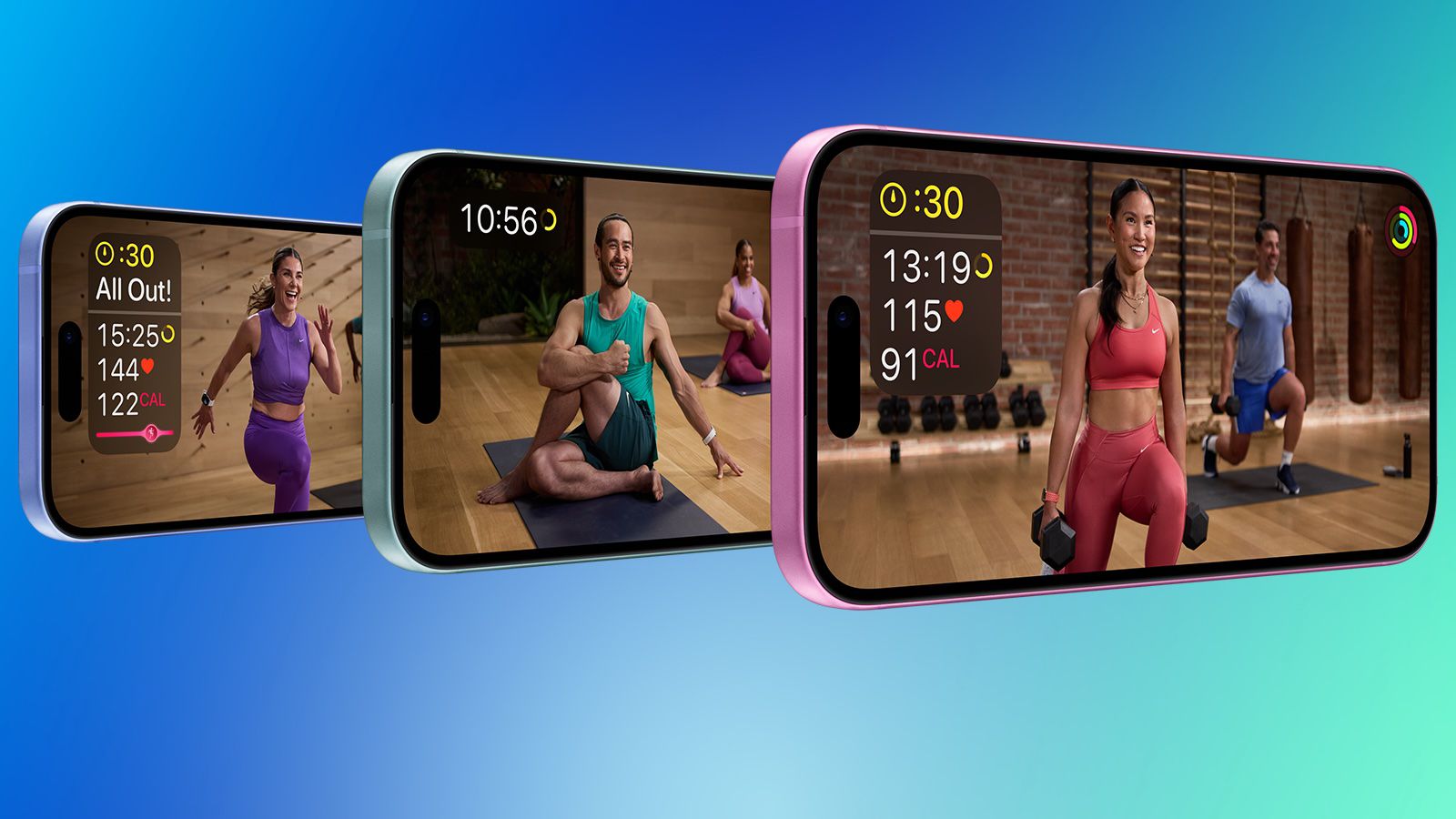
Paired with the Health app update is a new Fitness+ program, Strong Through Menopause, a three-week progressive workout structured around weekly Yoga and Strength sessions designed to address the specific physical demands of the perimenopause-to-menopause transition: building strength, improving balance and mobility, and reducing stress. The program represents a departure from Fitness+’s general-audience framing, positioning the service as a clinically adjacent resource for a specific demographic rather than a broad subscription workout library. Julz Arney, Apple’s Director of Fitness, worked alongside Cheung in developing the women’s health framework unveiled at WWDC.
A new episode of Fitness+’s Time to Walk series, hosted by actor Busy Philipps, accompanies the program. Philipps discusses her own experience with perimenopause — a choice of subject that reflects an accelerating cultural reckoning with a transition that was, until recently, largely treated as a private or minor matter by health media and the medical establishment alike.

The iOS 27 health update extends beyond the perimenopause feature. Apple redesigned the Health app’s Browse section, replacing a plain list interface with a card-style layout organized by category — more colorful and visually distinct, and easier to navigate across the health data types the app tracks. The broader Fitness app also receives route-mapping improvements, with Apple saying that post-workout route accuracy has been meaningfully improved. Step counts will now sync between the Health and Fitness apps, closing a persistent inconsistency that had confused users who relied on both. GymKit, previously exclusive to Apple Watch, is expanding to iPhone — meaning users without a Watch can now pair their handset directly with GymKit-compatible treadmills, stationary bikes, and other gym equipment to sync calories, distance, speed, incline, and pace.
Apple also introduced a nutrition feature via Visual Intelligence that allows users to point an iPhone 15 Pro or later at a food item and receive a nutritional assessment — not a precise calorie count, but a categorization of whether the food is heavily processed, high in sugar, or protein-rich, along with a nutritional value ranking. The data does not sync to the Health app, which limits its clinical utility, but the feature’s existence signals the direction Apple is moving: the smartphone as a passive health-sensing instrument for everyday decisions, not just structured workout sessions.
What is absent from iOS 27’s Health update is as telling as what is present. Apple was widely rumored to be developing a dedicated AI health service — a more ambitious platform that would interpret health data holistically and surface recommendations or concerns the way a preventive-care clinician might. That project was shelved before the first developer beta. Apple has said it could resurface in a future release, though no timeline has been offered. The perimenopause feature and the Health app redesign represent what remained after that more expansive ambition was scaled back.
The iOS 27 update arrives as Apple faces intensifying scrutiny of its health ambitions from both regulators and clinicians who question whether consumer devices can be responsibly positioned as health-detection tools. Apple’s iOS 27 parental controls push has already drawn regulatory attention, with critics arguing the company is expanding into governance roles that belong to health authorities, not device manufacturers. The perimenopause notification occupies adjacent territory — a feature that is genuinely useful and arguably overdue, but that also raises the question of where the boundary between a health app and a clinical tool should sit.
Apple’s answer, for now, is that the notification is a prompt, not a conclusion. The Health app points users toward their physician. What it does not do is tell them what to expect when they get there — a gap that the new educational resources in Cycle Tracking only partially fill. Whether that framing satisfies regulators watching the feature deploy to hundreds of millions of devices this fall remains to be seen. Apple’s WWDC 2026 keynote positioned health as one of its most durable long-term platforms, and the perimenopause feature, modest as it looks alongside Siri AI, may be the most consequential thing Apple released this week — if the algorithm works. That part is still unknown.