
BALTIMORE — Gunnar Henderson knew exactly what it was the moment it hit him. With two outs in the ninth inning of a game the Orioles had already lost, a 93.9 mph fastball from a Padres reliever found his hip, and Henderson flung his elbow guard toward the dugout on his way to a base that no longer mattered.
He did not need to ask why. Four innings earlier Xander Bogaerts had taken a 93.5 mph sinker off the helmet from Orioles rookie Trey Gibson and left the game the next inning. Whatever the intent behind that pitch, the answer to it arrived on schedule. Ron Marinaccio drilled Henderson, the umpires huddled, and second-base umpire Chris Conroy ejected him, with Padres manager Craig Stammen tossed moments later for arguing, MLB.com reported.
This is the part of a blowout that actually lingers. The Padres won 9-3 and it was never that close, but the image that survives the night is a franchise shortstop refusing to look at the man who hit him, and a sentence afterward that drew a line under the whole thing. Henderson said he figured the Padres were trying to get payback, so the two sides were even now. Even, for the moment. They play again Sunday.
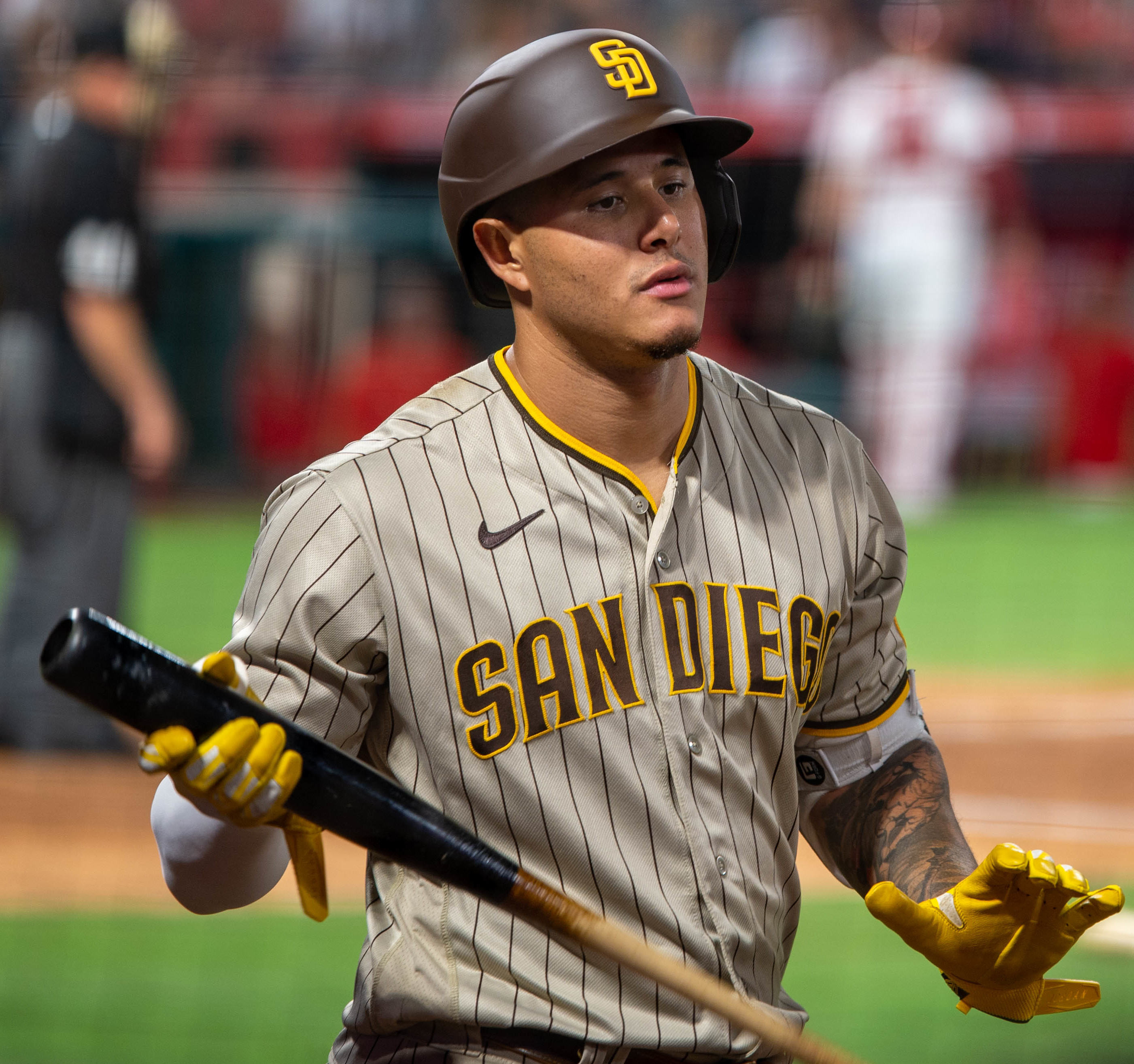
The game itself was over almost before it began. Jackson Merrill and Samad Taylor hit two-run homers in the first inning, back-to-back trouble for Gibson, who never found the plate and walked five across four and a third innings before taking the loss, Yahoo Sports recapped. By the time San Diego added solo shots from Gavin Sheets, Rodolfo Duran, and Manny Machado, the only suspense left was whether anybody was going to get hit.
Randy Vasquez gave the Padres five steady innings and two runs for the win, his sixth of the year. For Baltimore it was another night that started badly and curdled, an extension of a rough stretch that a month ago saw a Baltimore bullpen undone by one swing against Seattle. The Orioles came into the season believing they were past these nights. They keep arriving anyway.
The Bogaerts pitch is the one that complicates the story. There was no obvious reason for Gibson, a rookie still finding his footing, to put a sinker near the head of San Diego’s shortstop, and the Orioles have not called it intentional. Intent is almost beside the point in a code that runs on appearances. A pitch by the helmet, a star left shaken, and the other dugout keeps a ledger whether or not anyone admits to opening it.

Henderson’s hundredth career home run had come the night before, a 386-foot solo shot that pulled him even with Cal Ripken Jr. for home runs by an Oriole before turning twenty-five. That is the company he keeps, and it is part of why the ninth-inning fastball read the way it did across the diamond. You do not drill a spare infielder and call it even. You aim at the player the sport is building its next decade around, and Henderson is unmistakably that.
The umpires did what the book tells them to do late in a lopsided game with a fresh hit batter, which is eject first and sort the motives out never. Whether Marinaccio meant it, like whether Gibson meant it, is a question that will draw a careful non-answer from both clubhouses. It usually does. The pitch that started it and the pitch that answered it will both be filed under accidents nobody quite believes.
Henderson took his base, the Padres finished the rout, and both teams went home with something other than the score to chew on. They meet again Sunday afternoon, Trevor Rogers against Walker Buehler, and the word Henderson reached for will hang over the first inside pitch. Even is a fragile sort of truce. It rarely survives the next fastball.