
WASHINGTON — President Donald Trump told his Truth Social audience on Saturday that the framework agreement ending the U.S.-Israel-Iran war that began on February 28 would be signed on Sunday and that the Strait of Hormuz would reopen “to all” immediately afterwards. Within hours, the Iranian Foreign Ministry spokesman Esmaeil Baghaei said no signing would occur on Sunday and that Iranian negotiators were not on their way to Geneva, the venue Washington had floated for the ceremony. The two statements, reported in tandem by Al Jazeera on Saturday afternoon, sit on top of negotiations that mediators in Doha, Geneva and Islamabad have spent the last seventy-two hours describing as the closest the two governments have come to a written framework since the war started.
“The Deal is scheduled to get signed tomorrow,” Trump wrote, “and immediately after it is signed, the Hormuz Strait is OPEN TO ALL.” The post described the agreement as “A WALL TO NO NUCLEAR WEAPON!” and said “no money would exchange hands.” The president’s account of the document and Baghaei’s account of the same document agree on its broad direction. They disagree on every detail of when, where and on whose authority it will be signed.
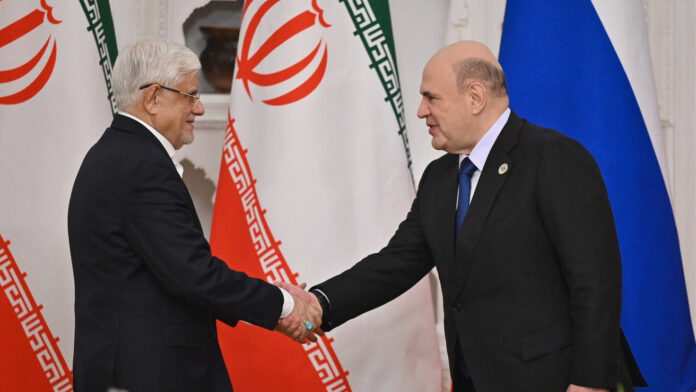
Iran’s account, delivered by Baghaei at a hastily convened evening briefing in Tehran, was the procedural one. “The memorandum will not be signed tomorrow,” he said. “Our negotiators are not on their way to Geneva.” Baghaei said a signing was possible “in the coming days” and added that the document Iran was negotiating, in any case, was a memorandum of understanding that would launch a structured negotiation about Iran’s civilian nuclear programme, not an end-state agreement. Foreign Minister Abbas Araghchi, in a separate Al Jazeera-reported social-media post on Friday, had described an agreement as “never closer” but did not confirm a Sunday date.
The war Trump’s post claims to be ending began on February 28, 2026, with U.S. and Israeli strikes on Iranian nuclear and missile infrastructure across Natanz, Isfahan and Parchin and Iranian missile and drone responses against U.S. positions in Iraq, Bahrain and Qatar. A first ceasefire was negotiated through Qatari mediation on April 8 and held in name only, broken by repeated exchanges across the Iraqi border, in the Sea of Oman and around the Strait of Hormuz. Eastern Herald has covered the most recent escalations through this past week, including the U.S. Apache helicopter crash near the Strait of Hormuz, the June 10 U.S. strikes on Iran that followed it, and the Brent crude price’s surge past $97 a barrel as Israel widened its strikes into Lebanon and Iran.
The actual framework now under discussion was reached, according to CBS News live coverage on Saturday and a TIME magazine reconstruction published Friday, on Wednesday night, after a marathon session between Qatari mediator Ali Al-Thawadi and Foreign Minister Araghchi in Doha. The two diplomats were in phone contact with President Trump’s special envoy Steve Witkoff in Washington and with Pakistani Prime Minister Shehbaz Sharif, who had hosted a separate channel between Tehran and Riyadh. Witkoff’s draft, by both reconstructions, contains four elements: a verified standstill on uranium enrichment above 3.67 percent, the level the original 2015 nuclear deal capped; the reopening of the Strait of Hormuz to commercial shipping; a return of International Atomic Energy Agency inspectors to Natanz and Fordow within fourteen days; and a phased lifting of the Trump-era sanctions imposed since 2018, on a schedule pegged to compliance milestones.

The American account of the deal omits one element that the Iranian account treats as load-bearing. President Pezeshkian’s office, in a Telegram statement Saturday evening, said the framework would be subject to ratification by Iran’s Supreme National Security Council, which is chaired by President Pezeshkian and answerable to Supreme Leader Ayatollah Ali Khamenei. The Council has historically taken between three and twelve weeks to formally endorse foreign-policy texts of comparable consequence. The Council does not meet on Sunday.
The other element Iran’s MFA wants clarified is the question Trump’s Truth Social post avoided answering directly. “No money would exchange hands,” the president wrote. Tehran’s reading of the draft text, both Baghaei and Araghchi have signalled in the past forty-eight hours, includes the unfreezing of approximately $6 billion in Iranian central-bank assets held in South Korean and Japanese banks under U.S. sanctions — the same funds that were the subject of the 2023 hostage-and-prisoner exchange and that the first Trump administration re-froze in 2025. Whether re-unfreezing those funds counts as money changing hands is, in the Iranian negotiators’ description, the kind of question that gets answered in writing or it does not get answered at all.
The pattern is one Iranian, Qatari and European diplomats have, in private, described before. Trump announces a deal in plain American terms on a U.S. social-media platform. Iranian officials respond in technical procedural terms through the Iranian foreign ministry’s press service. The texts the two governments are looking at are, in operational substance, the same text. The two governments are reading it for different audiences. The president’s domestic audience, in 2026, wants a clean victory headline before Sunday’s network shows. Iran’s domestic audience, after four months of war and rolling sanctions, wants procedural reassurance that the Supreme National Security Council is being respected.
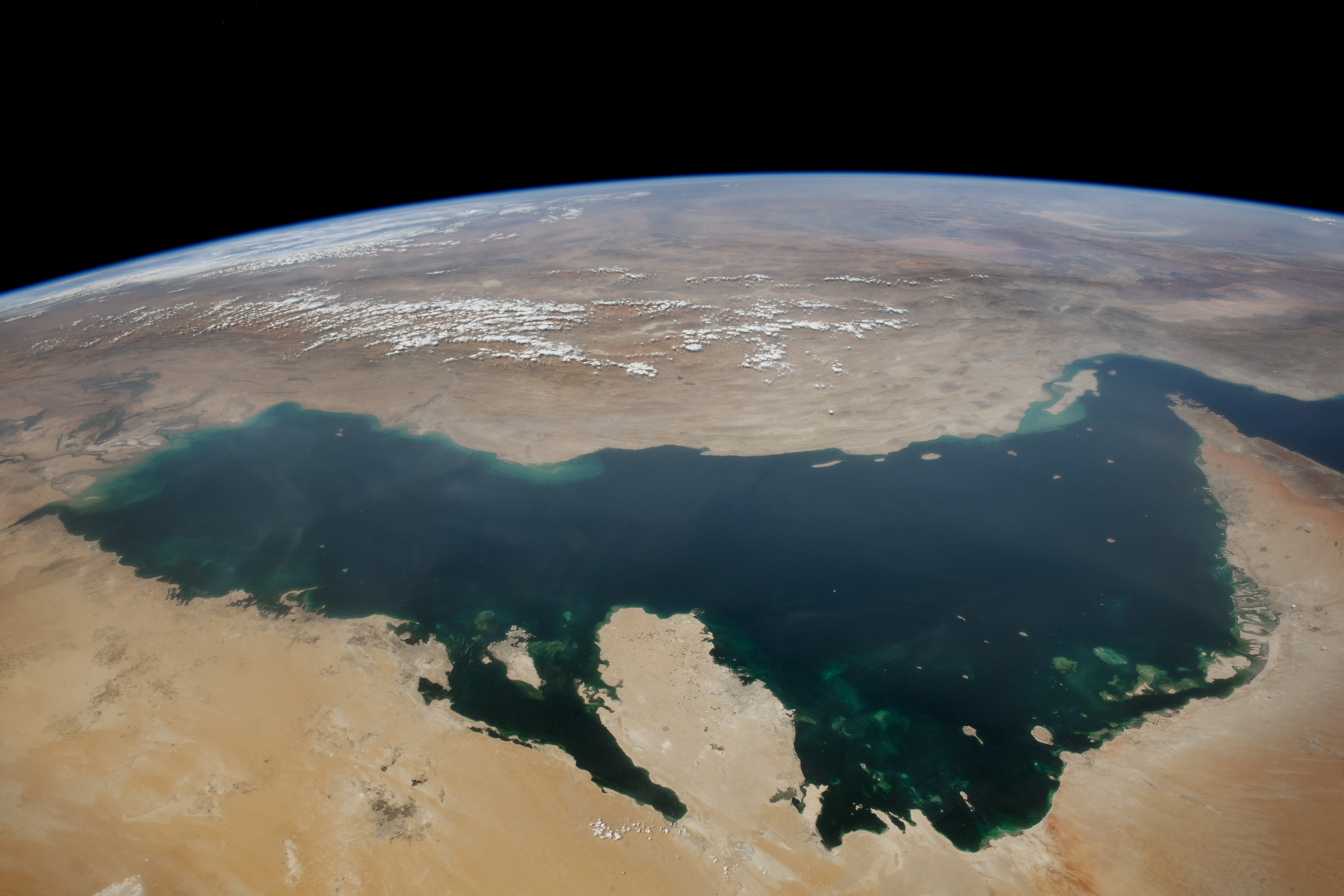
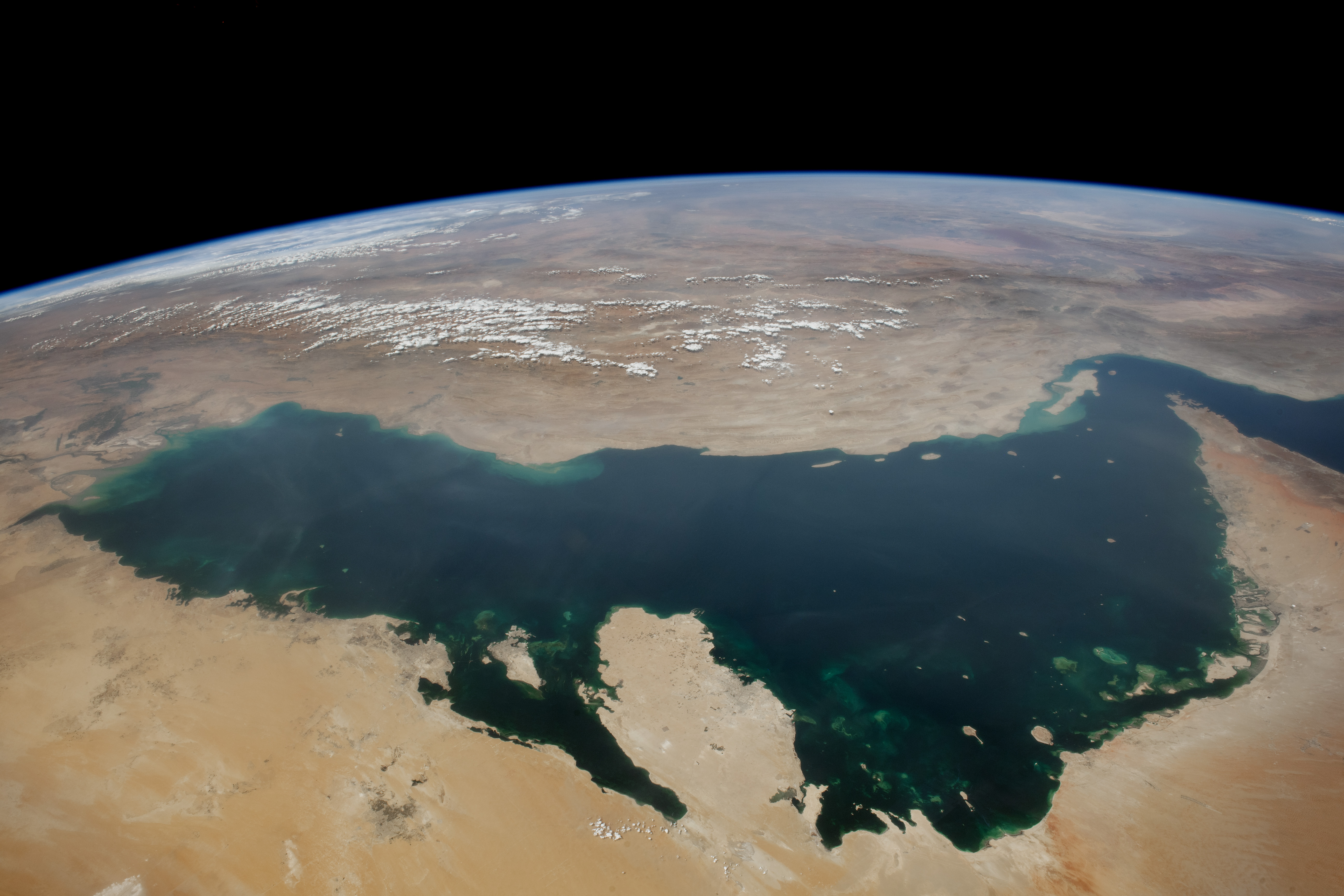
For oil markets, the Hormuz line is the part that matters most. Approximately twenty-one million barrels of crude oil and condensate move through the strait every day, roughly a fifth of global petroleum demand. The strait has been only partially open since April 8, with Iranian Revolutionary Guard inspections of tankers transiting the Iranian side of the channel slowing tanker schedules by between eighteen and thirty-six hours. A formal reopening, if it actually arrives on the schedule Trump posted, would draw Brent crude back from its recent levels toward the $85 to $88 band most pre-war analysts had projected for the summer.
Whether that arrives on Sunday or, in Baghaei’s phrasing, “in the coming days” is the question Sunday will answer. Both governments have an interest in the deal getting signed. Neither has an interest in being the one that publicly conceded the timeline. The contradiction Trump and Baghaei aired on Saturday afternoon was not, in the read of every diplomat working the channel, a sign that the deal has collapsed. It was a sign that the deal is close enough that both governments are now competing publicly to define when it begins.