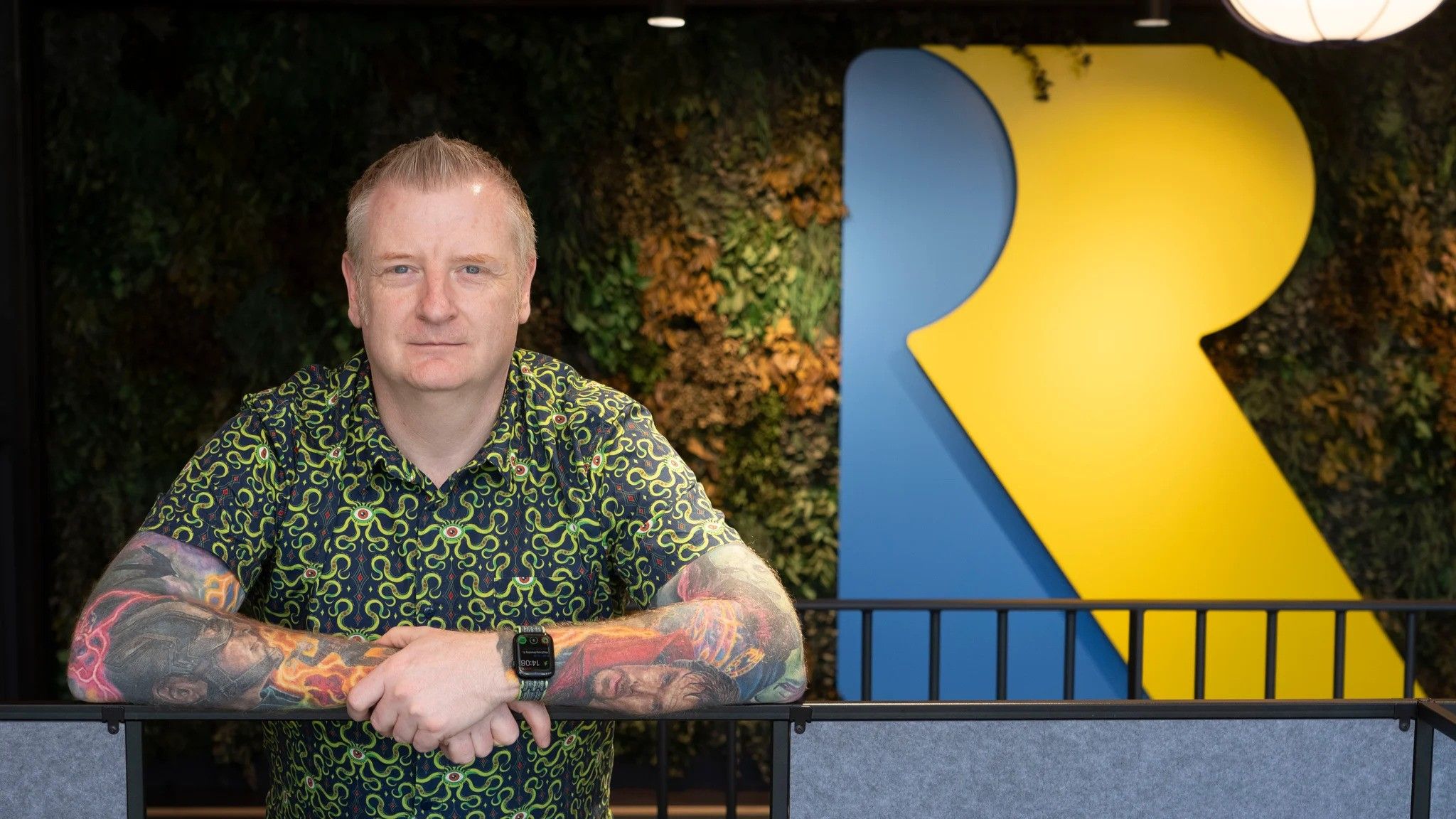

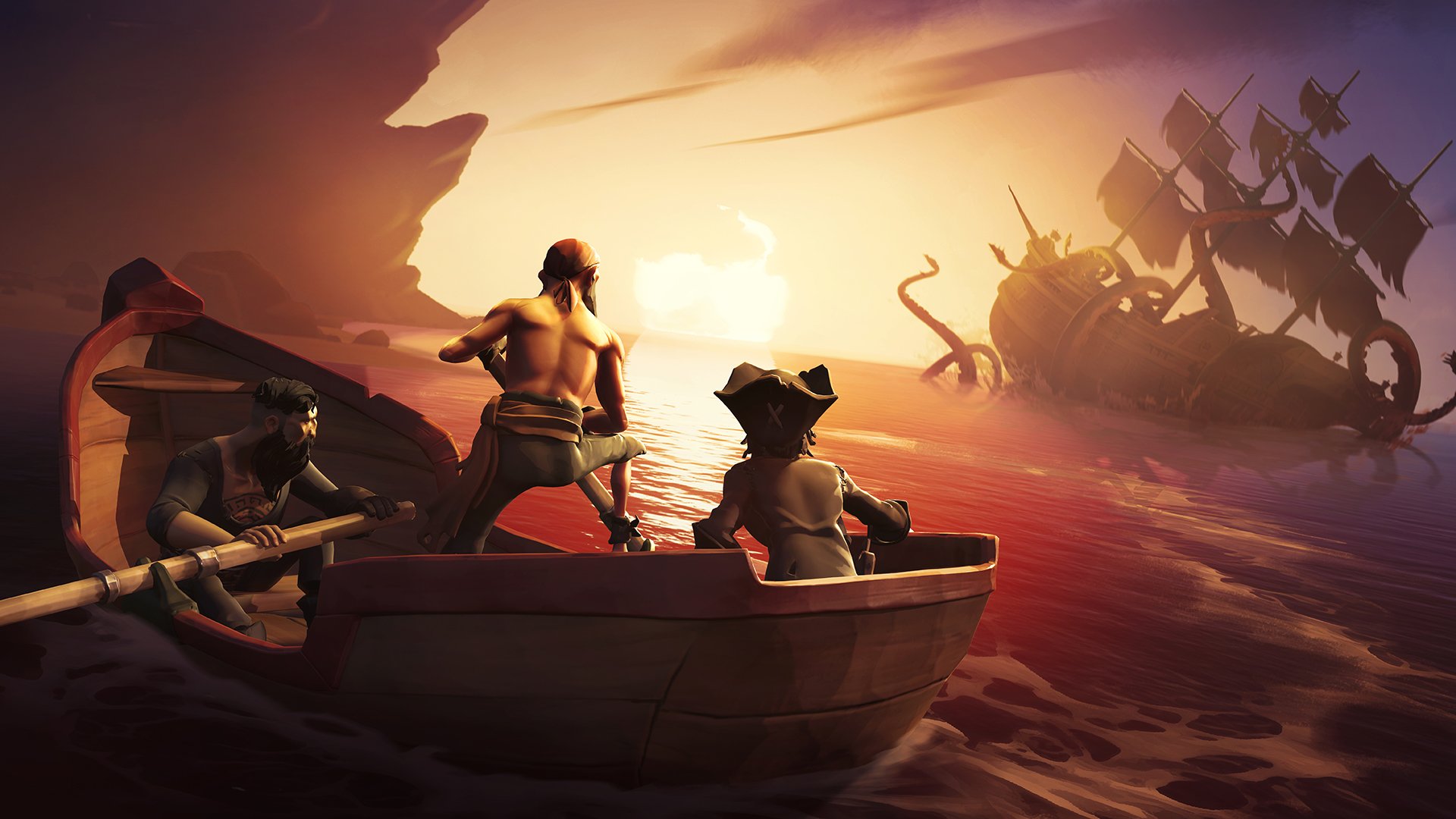
REDMOND – For nearly 14 years, Craig Duncan built something at Rare that Microsoft could not replicate anywhere else: a studio culture that survived Kinect, survived the slow-burn years, and eventually produced Sea of Thieves, a pirate game that became one of Xbox’s most durable live-service successes. When Alan Hartman retired in late 2024, it made sense that Duncan would be the one to step up. Twenty months later, he is gone.
Duncan’s departure from his post as head of Xbox Game Studios, first reported Monday by The Game Business, arrives in the worst possible week. Microsoft’s gaming division is bracing for what multiple outlets have described as an imminent and significant round of layoffs, expected to begin after the company’s fiscal year closes on June 30. Xbox CEO Asha Sharma told staff last week that the business needed a fundamental reset. The timing of Duncan’s exit – days before that reset begins in earnest – is not coincidental.
What matters most about his departure is not what it says about Duncan. It is what it says about how Sharma intends to run the organization going forward. By routing all 15 Xbox first-party studios – from Halo Studios and The Coalition to Double Fine and Obsidian – directly up to chief content officer Matt Booty, Sharma is eliminating the management layer that traditionally existed between studio creative teams and the business strategy above them. Power is consolidating upward, just as the cuts begin.
In an email to staff, as reported by Kotaku, Duncan acknowledged the scope of what his tenure involved without precisely explaining why it was ending: “When I stepped into the role of leading XGS 20 months ago, my purpose was to serve our studios, our teams, and the people making our games. Together, we set out to deliver high-quality games, strengthen the cultural fabric across our studios, and help shape the future of the business. I’m proud to say we delivered many flawless launches that drove business success for the company.” What he did not address was whether this departure was his decision or someone else’s. Microsoft, as of Sunday evening, had not responded to requests for comment from any outlet.
Also leaving is Louise O’Connor, who served as Xbox Game Studios chief of staff. Her trajectory tracks a kind of institutional memory that Xbox is now shedding: she joined Rare in 1999 as an animator on Conker’s Bad Fur Day, won an AIAS award for voicing a character in Viva Piñata, and spent more than two decades inside the same studio before moving into the XGS leadership structure last September. Rare’s Everwild – a project she had been close to – was cancelled in the July 2025 layoffs. Now she is leaving too.
The broader context matters here. Sharma and Booty sent a joint memo to staff last week just as Bloomberg reported that Xbox is preparing for another round of mass layoffs. The memo was blunt in a way that Xbox communications rarely are. The executives wrote that the division had been “over extended” after acquiring so many studios over the past decade, adding that the company had “not adequately funded them to compete and win.” That framing put every studio on notice: the question was not whether cuts were coming, but which projects and teams would survive them.
Microsoft CEO Satya Nadella, speaking at a conference last week, offered a candid summary of where the business stands after 25 years of Xbox investment. “Now we have to turn this into a sustainable business,” he said. The language of sustainability is rarely what studio developers want to hear. When the largest technology company in the world describes its gaming division as something that must now “compete and win” in “economically viable” ways, the studios that make smaller bets – longer-cycle creative projects, experimental IP – tend to face the most exposure.
Duncan, in his role, presided over a period of significant strategic uncertainty for Xbox, including the hardware cost crisis that has complicated next-generation console planning. He oversaw the Xbox Games Showcase in June while managing studios producing everything from major tentpoles like the upcoming Fable reboot to niche projects with uncertain futures. His job, in other words, was to hold the middle together while the top decided what Xbox was actually for. That job no longer exists in the same form.
Whether Booty can effectively manage 15 studios directly – while also serving as chief content officer and navigating incoming layoffs – is a question the structure does not yet answer. Sharma has framed every title as now carrying an exclusivity decision that matters to Xbox’s competitive position, which means Booty will be making portfolio calls across a studio slate that spans entirely different creative traditions, risk profiles, and development timelines.
A replacement for Duncan has not been named, and Xbox has given no indication of when one will be. That gap – studios reporting directly to Booty during the precise weeks in which layoffs are expected – may itself be part of the strategy. It is easier to restructure from above when there is no one in the middle arguing for the teams below.
Duncan built his career on the floor of game development, at Codemasters, Midway, and Sumo Digital, before his long tenure at Rare. He was not a corporate strategist by training. He was someone who understood what it took to get a game made and – eventually – what it took to keep a studio alive. That particular kind of knowledge is, at this moment, not what Microsoft’s gaming leadership appears to be optimizing for.