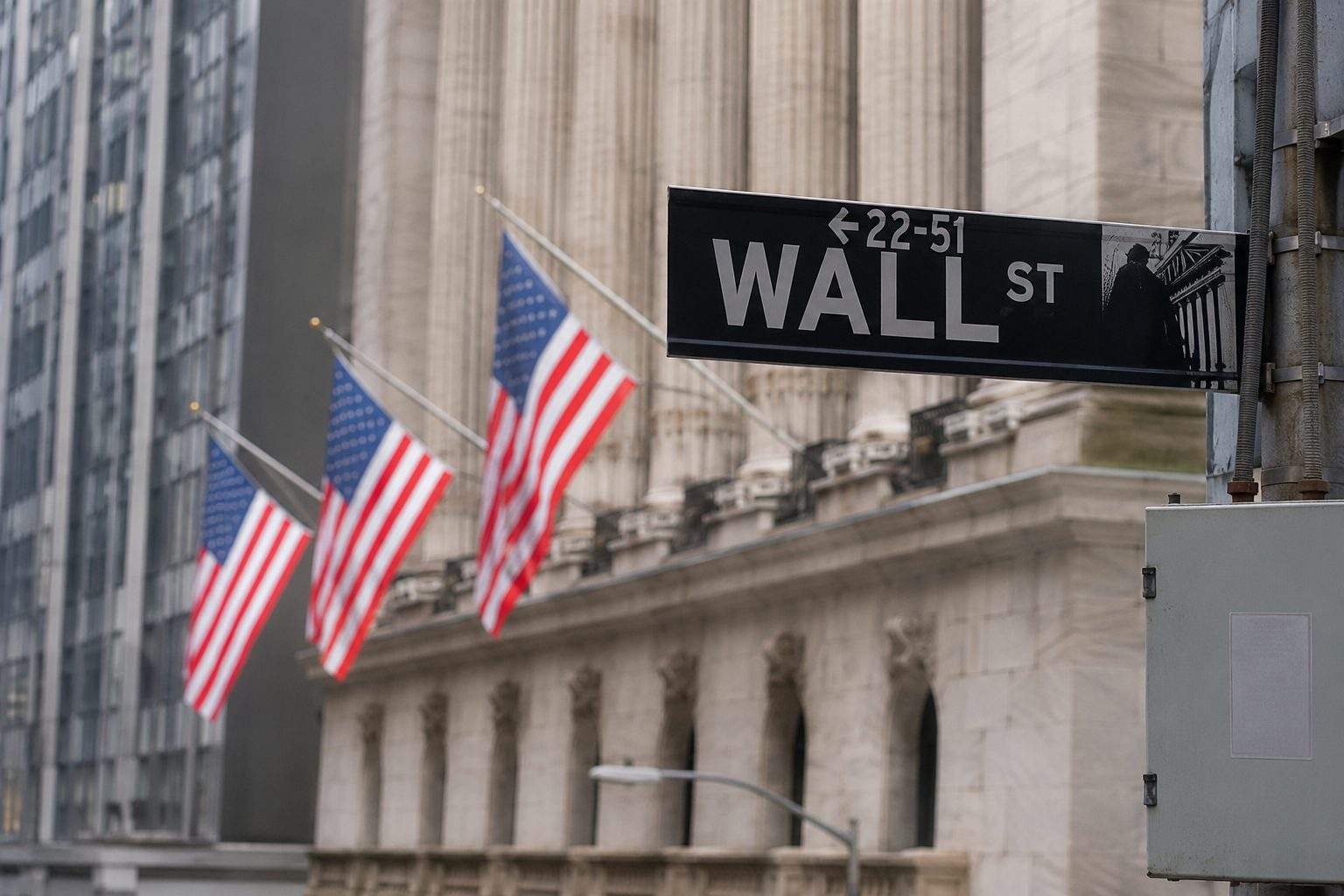

NEW YORK – Adobe reported a strong quarter last Thursday and still fell 7% before the opening bell on Friday. The earnings beat, the guidance raise, the analyst upgrades – none of it mattered once investors read the fine print: the company’s chief financial officer was departing for a chip firm. That detail, buried in a release that should have been a win, was enough to erase several percentage points of market capitalization before breakfast. It is a useful measure of where tolerance for uncertainty currently sits on Wall Street.
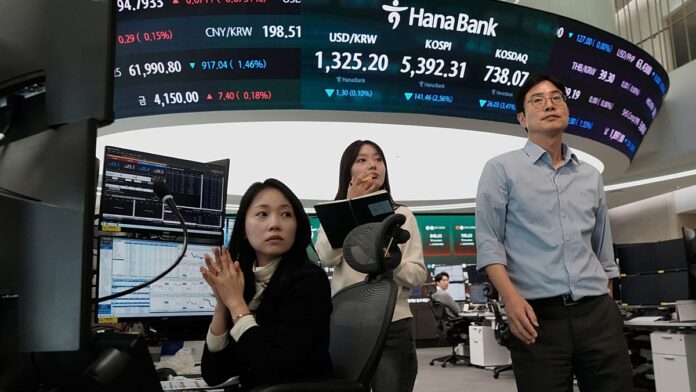
The broader week ended higher. The S&P 500 closed Friday at 7,431.46, up 0.5% on the day, with the Dow Jones Industrial Average adding 0.7% to 51,202.26 and the Nasdaq Composite gaining 0.3% to 25,888.84. Those numbers, taken alone, suggest a market in reasonable health. Taken in context, they describe something more complicated: a market that closed the week having made two contradictory bets simultaneously, and which has not yet been forced to reconcile them.
The contradiction runs like this. On one side, traders priced in an Iran peace deal – or at least its imminence – with sufficient conviction to send crude oil down roughly 2% on Friday to near $85 per barrel. Lower energy prices reduce inflation pressure. Lower inflation pressure reduces the case for keeping rates elevated. That trade, if it holds, is mildly bullish for equities and particularly good for long-duration growth stocks that are sensitive to discount rates.
On the other side, Oracle disclosed this week that it plans to raise an additional $20 billion in equity and debt to fund its artificial intelligence infrastructure buildout, on top of capital expenditures that have already pushed its free cash flow into deficit territory. The market’s initial reaction was to send Oracle down more than 8% – not because AI spending is unpopular in the abstract, but because investors are starting to ask a specific question: at what point does the capital flowing into AI infrastructure stop being an investment and start being a liability? Oracle’s announcement did not answer that question. It sharpened it.
Both of those forces – the peace dividend trade and the AI capex skepticism – are live in the same market at the same time. They are not compatible. If the Iran deal materializes and oil falls further, the inflation picture improves and the Federal Reserve’s case for holding rates high weakens. That is good for the companies, including Oracle and its peers, that need cheap capital to fund the AI buildout. But if the AI spending continues to consume cash without generating commensurate revenue growth, rate relief alone will not rescue the sector’s valuation math.
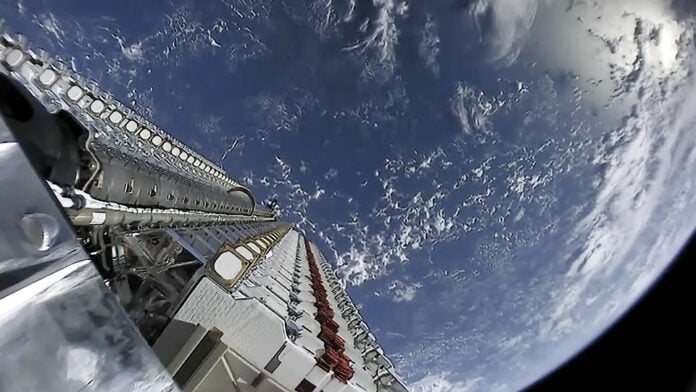
What made the week unusual is that neither side was forced to confront the other. SpaceX’s Nasdaq debut – the largest initial public offering in stock-market history at a $1.75 trillion valuation – provided enough spectacle and sentiment lift to keep both narratives running in parallel. The stock closed its first trading day at $160.95, up 19.2% from its $135 IPO price, catapulting its market capitalization above $2 trillion and validating the appetite for high-growth names among institutional and retail buyers alike. But the rotation the debut triggered was selective rather than broad. Rocket Lab fell 10.8%. Intuitive Machines dropped 13.1%. Investors wanted SpaceX specifically, not the space sector generally – a distinction that matters when assessing whether the week’s gains reflect genuine confidence or a targeted bet on a single name.
The week’s volatility was also a reminder of how fragile the recovery from early June’s chip rout remains. The Nasdaq had shed 4.18% on June 6 in its worst single-day decline since April 2025, after Broadcom’s failure to raise its AI chip outlook rattled a sector that had priced in continuous expansion. The rebound in the days that followed was real – tech regained nearly 3% on Thursday, June 12 – but the S&P 500’s forward price-to-earnings ratio remained at 20.1 times expected earnings, above both its five-year and ten-year averages, according to FactSet. That is not a multiple that leaves room for earnings disappointments.
The week did produce some cleaner individual stories. Intel surged more than 5% after Bank of America issued a double upgrade, citing renewed optimism in its foundry business and a reported order from Google for tensor processing units. The move was notable partly because Intel has been the most consistent laggard in the semiconductor sector this year, and partly because the upgrade came on the same week Oracle was being punished for spending too much on AI. The juxtaposition was not lost on traders: Intel is being rewarded for potentially benefiting from AI infrastructure spending, while Oracle is being penalized for doing the spending.
Consumer sentiment data released Friday offered a modest positive surprise – the University of Michigan’s preliminary June reading came in at 48.9, up from 44.8 in May – but remained well below the 60.7 reading from June 2025. The gap between where sentiment is and where it was a year ago tells a cleaner story than any single week’s index performance: American households are less pessimistic than last month and still deeply uncertain about the economy. Whether the Iran deal, if it closes, changes that calculus depends on how quickly lower oil prices translate into gasoline prices, and how durable that relief turns out to be.
The market’s next test arrives Wednesday. The Federal Reserve’s June 16–17 meeting – the first under new Chairman Kevin Warsh – is expected to produce a rate hold at the current 3.50–3.75% target range, according to Charles Schwab’s market analysis. But what investors are really listening for is not the decision itself. It is the tone. Warsh has been publicly skeptical of the inflation trajectory, and any signal that the Fed sees rates staying elevated into the second half of 2026 would put direct pressure on the AI sector’s valuation assumptions – which are built, in no small part, on the premise that the cost of capital will eventually come down.
Michelle Gibley, director of international equity research at the Schwab Center for Financial Research, noted this week that a majority of the expected earnings growth for 2026 is narrowly concentrated in the technology sector, which accounts for nearly half of projected S&P 500 earnings expansion. That concentration creates a specific vulnerability: if tech disappoints, the broader index has fewer places to hide. The S&P 500 Equal Weight index – which treats all 500 components equally rather than weighting by market capitalization – tells a different, quieter story than the headline number. By early this week, the ten largest S&P 500 stocks represented nearly 40% of the index’s total value, all of them with some direct connection to artificial intelligence.
That concentration is not new. But it is more exposed than it was a month ago, after the chip sector’s brief but violent correction. The AI trade remains intact. It is no longer unquestioned. What the week of June 9–13 produced was not a verdict – it was a deferral. The tensions between AI spending ambitions and inflation persistence that have shadowed markets since the Iran conflict began in March have not been resolved. They have been pushed forward, to June 17, and to whatever Warsh says at 2:30 in the afternoon.