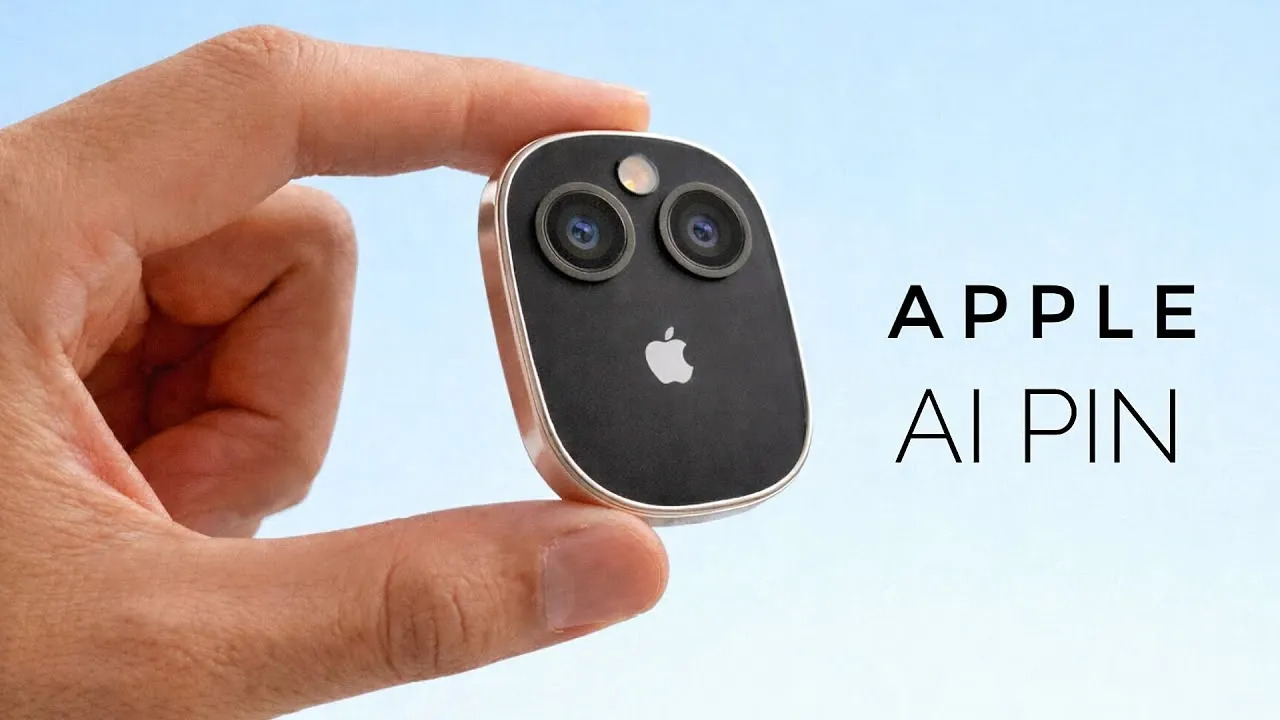

Apple is moving toward what could become its most significant hardware overhaul since the original iPhone reshaped the smartphone industry. While recent years have focused largely on incremental upgrades, the company’s roadmap for 2027 now points to a coordinated multi-device shift across wearables, smartphones, and AI systems.
According to reports based on Apple’s internal roadmap, the company is preparing three major product lines for a late 2027 launch cycle: camera-equipped AirPods, a second-generation foldable iPhone, and a redesigned 20th anniversary iPhone marking two decades since the original device debuted.
The most disruptive concept in this lineup is the introduction of camera-equipped AirPods. Unlike conventional earbuds, these devices are expected to integrate miniature sensors designed not for photography but for contextual computing, allowing devices to better interpret surroundings in real time.
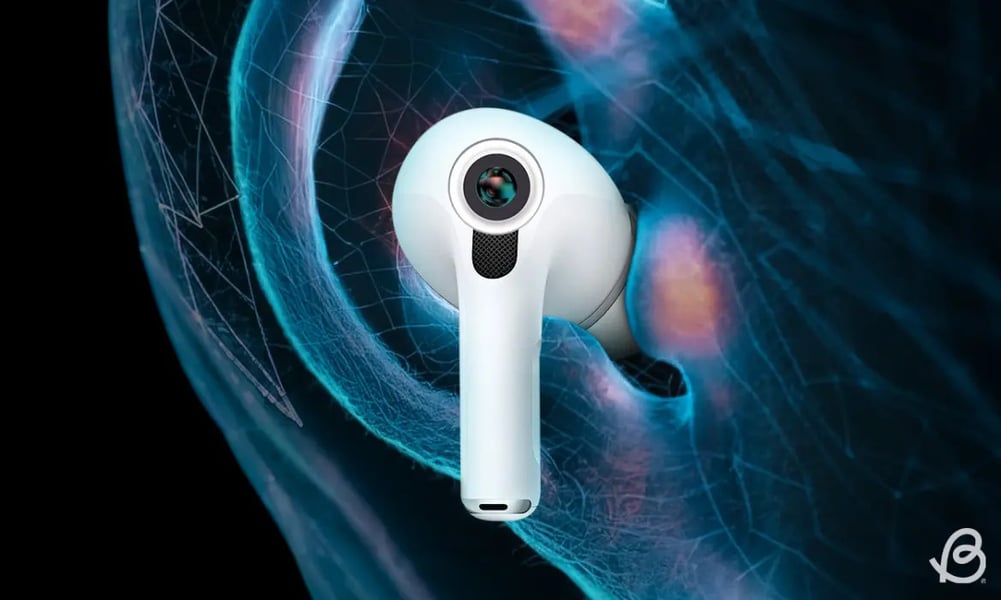
Reports also indicate that Apple is developing systems where visual context to Siri could allow users to ask questions about objects and environments they are actively viewing, transforming the assistant into a more aware AI companion.
Alongside its wearable ambitions, Apple is continuing its smartphone evolution strategy with a foldable iPhone. While the company is expected to introduce its first foldable device earlier, attention is already shifting toward a more refined second-generation model planned for 2027.
This second-generation foldable iPhone is expected to improve durability, display efficiency, and long-term software stability, addressing early limitations seen in the foldable category.
Developers are also expected to play a key role in this transition, with Apple pushing stronger app optimization to ensure software adapts seamlessly across new form factors, including foldable displays and AI-enhanced interfaces.
At the center of this transformation is Siri, which continues to evolve into a more advanced AI layer across Apple devices. Improvements in Siri are expected to power much of the intelligence behind AirPods, iPhones, and future wearables.
Apple’s broader transition toward an artificial intelligence ecosystem signals that these products are not being developed in isolation, but as part of a unified hardware and software strategy.
The AirPods initiative is also closely tied to Apple’s long-term wearable roadmap, with the AirPods project evolving beyond audio accessories into potential environmental sensing devices.
Industry watchers believe Apple’s shift toward AI-first hardware is accelerating, as industry observers believe the company is positioning future devices to act as continuous context-aware systems rather than passive tools.
The most symbolic release in this roadmap remains the upcoming 20th anniversary iPhone, described as a substantially redesigned device that could push Apple’s design language toward near full-screen glass aesthetics and advanced material engineering.
Overall, Apple’s 2027 direction suggests a shift away from isolated product upgrades toward a tightly integrated ecosystem combining AI, wearables, and next-generation smartphones. If realized, this roadmap could mark one of the most important transitions in Apple’s history since the launch of the original iPhone.