
Google has officially released its June 2026 Pixel Drop, marking one of the most ambitious software updates in the company’s recent history. Rather than delivering incremental improvements, the update pushes Pixel devices deeper into artificial intelligence, creative tools, and system-wide integration with Android 17 and Wear OS 7.
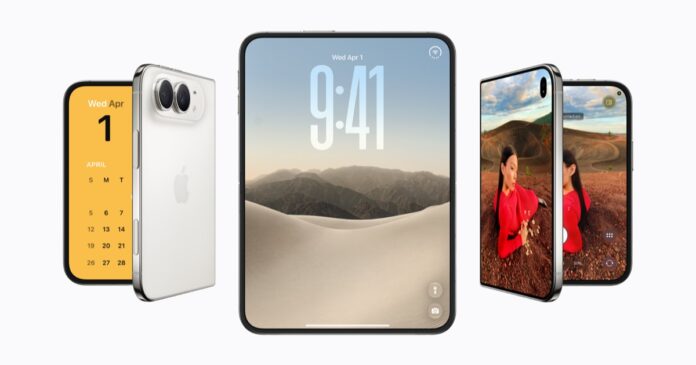
The rollout is not just another quarterly feature update. It signals a broader shift in Google’s mobile strategy, where Pixel devices are increasingly positioned as AI-first creation platforms rather than traditional smartphones. The update spans Pixel phones, foldables, tablets, and wearables, strengthening the ecosystem approach that Google has been steadily building.
Android 17 sets the foundation for the Pixel ecosystem
The Pixel Drop arrives alongside a major platform release, with Android 17 rollout forming the backbone of the update. Google has focused heavily on performance stability, multitasking, and adaptability across device categories.
Google’s updated multitasking model is designed to support the growing demand for split-screen workflows, especially on Pixel Fold devices and tablets. This is a clear response to competition in the premium Android segment, where productivity features have become a key differentiator.
Gemini Omni pushes Pixel into AI creation territory
At the center of the June Pixel Drop is Gemini Omni, Google’s multimodal AI system. The company is now expanding its capabilities beyond text and image generation into video and audio creation directly on Pixel devices.
This evolution reflects Google’s broader AI-first mobile ecosystem strategy, where Gemini acts as the core intelligence layer across hardware and services. Users can now generate content using natural language prompts, combining images, video clips, and text inputs into fully rendered outputs without traditional editing software.
The move positions Pixel devices as creator tools rather than consumption-only devices, aligning with the increasing demand for mobile-first content production.
Screen Reactions changes how users create content
One of the most practical additions in this update is Screen Reactions, a feature designed for creators, educators, and gamers. It allows users to record their screen while simultaneously capturing a front-facing video overlay.
The feature is closely related to the emerging reaction video maker tools that have been tested in Android Canary builds. With a single workflow, users can create reaction-style videos without third-party editing apps.
Screen Reactions is deeply integrated into the system UI and can be activated during screen recording sessions. This makes it particularly useful for tutorials, gaming content, and social media reactions, all of which continue to grow in popularity across mobile platforms.
Earlier development versions of the feature were refined in Screen Reactions feature testing phases, where Google focused on performance optimization and overlay stability.
Wear OS 7 strengthens the connected ecosystem
The update also extends beyond smartphones. Google is rolling out improvements to smartwatches with tighter integration into Android 17 and Pixel services.
The Wear OS 7 rollout brings improved notifications, better battery optimization, and enhanced health tracking synchronization. This creates a more unified experience across Pixel phones and Pixel Watch devices.
Wear OS 7 is increasingly designed to act as an extension of the smartphone rather than a standalone companion device, reflecting Google’s push toward ecosystem cohesion.
Pixel-exclusive AI features deepen platform differentiation
Google continues to strengthen the advantages of its hardware lineup with exclusive software capabilities. The latest Pixel Drop introduces advanced AI tools that are not available on most other Android devices.
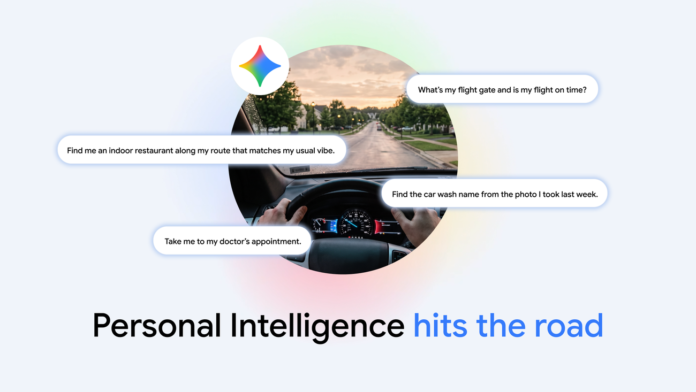
These Pixel-exclusive AI features include improved contextual suggestions, smarter voice processing, and enhanced on-device generative tools powered by Gemini.
This approach reinforces Google’s long-term strategy of using software differentiation to drive hardware adoption in a highly competitive Android market.
Pixel growth signals ecosystem momentum
Google’s Pixel strategy is also showing measurable momentum in the market. The ecosystem expansion is supported by increasing adoption of Pixel devices across multiple regions and price segments.
Recent trends highlighted in Pixel growth in 2026 suggest that Google’s combination of AI features and tight software integration is helping the brand close the gap with more established Android manufacturers.
This growth is not limited to smartphones. Pixel watches, foldables, and AI services are contributing to a more connected ecosystem that locks users into Google’s software experience.
A unified vision for Android and AI
The June 2026 Pixel Drop represents more than a routine software update. It reflects Google’s broader vision of merging Android, AI, and content creation into a single platform experience.
By combining Android 17, Gemini Omni, Wear OS 7, and Pixel-exclusive features, Google is building a tightly integrated ecosystem designed for both productivity and creativity.
Official documentation from Google confirms that this update is part of a long-term shift toward AI-native mobile computing, as detailed in the official Pixel Drop announcement and supporting updates from the Android platform team.
As competition intensifies across the smartphone industry, Google’s latest Pixel Drop positions the company not just as an Android developer, but as a leader in AI-powered mobile experiences.