
SAN FRANCISCO – For the better part of a decade, the living room streaming war had two clear contenders, and Google was watching from the sidelines. Roku built the market from scratch. Amazon Fire TV claimed a substantial portion of households by bundling itself with Prime. Google TV, still carrying the weight of a confusing rebrand from Android TV, was the platform that kept shipping without generating headlines. A new survey from Hub Research, reported by 9to5Google, suggests that approach has quietly paid off.
Google TV, measured together with the older Android TV platform it replaced, now holds 14 percent of the U.S. streaming operating system market. Roku leads with 37 percent. Amazon Fire TV sits at 17 percent. That puts the Google ecosystem in third place, with real separation from whatever sits below it, and within striking distance of closing on Amazon if current hardware trends continue.
The numbers require some unpacking. Hub Research surveys connected TV viewers, not device sales, and the methodology for distinguishing Google TV from legacy Android TV is not published in full. A portion of that 14 percent may sit on older devices still running Android TV, which Google formally retired in favor of Google TV in 2020. Google has never confirmed third-party market share estimates. What the data does suggest is that the combined Google television ecosystem is meaningfully larger than most coverage of the streaming market implies.
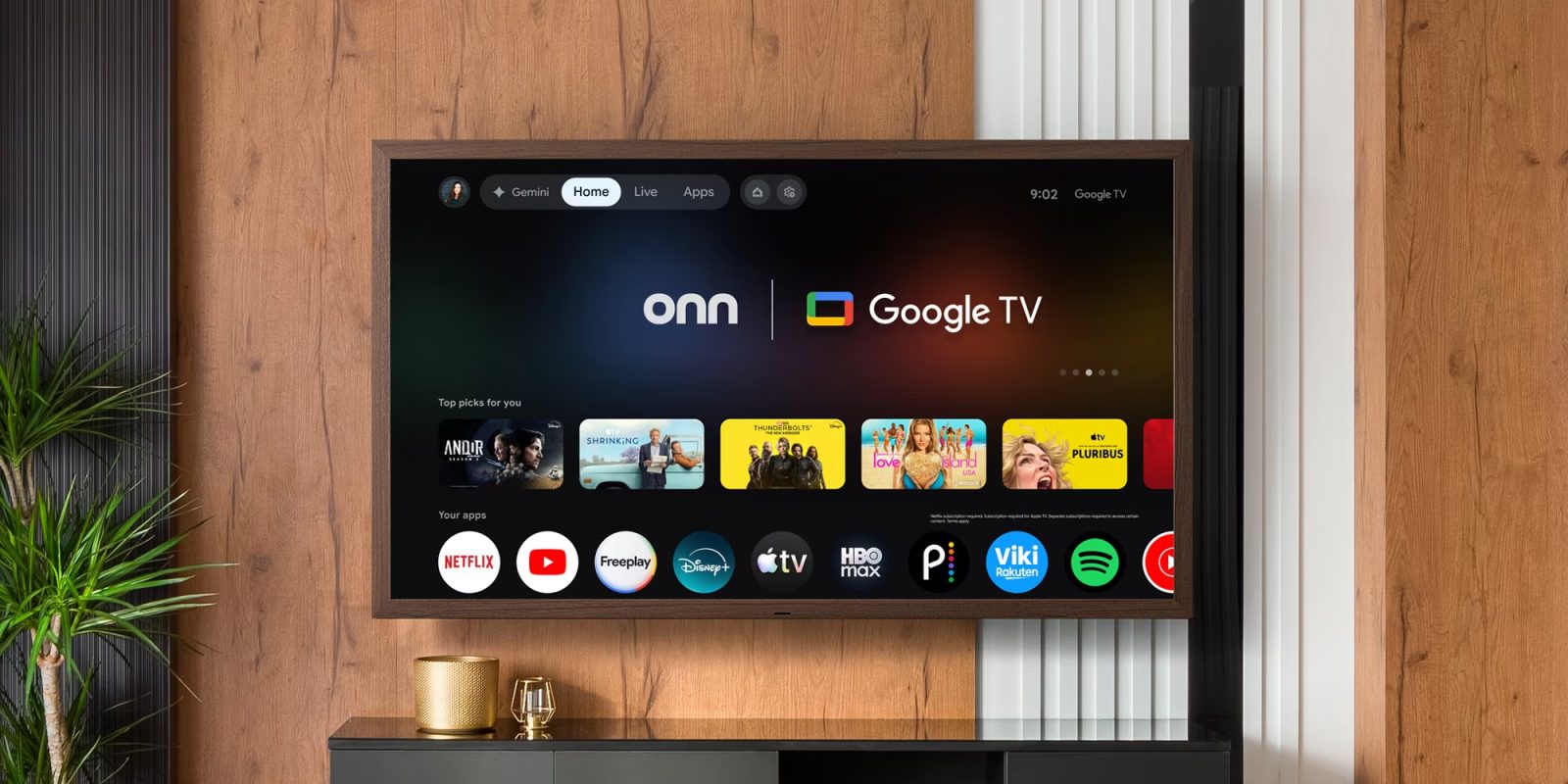
The market position was built through manufacturing partnerships rather than flagship hardware. TCL, Hisense, and Walmart’s Onn. brand have all shipped significant volumes of Google TV hardware. Walmart’s Fresco television, the Onn. streaming sticks priced below comparable Roku and Fire TV hardware, and a range of mid-tier TCL and Hisense sets have pushed Google’s platform into price-sensitive households that Amazon and Roku reach primarily through their own branded devices. It is not a glamorous distribution strategy. It has produced results.
Google has also addressed what was once the platform’s most persistent weakness: the quality of its software. Earlier this year, a major Google TV Gemini update introduced AI-powered content discovery, a YouTube Shorts feed on the home screen, and a more cohesive interface that replaced years of criticism about cluttered recommendations driven by paid app placement. The update did not eliminate all of those complaints. It meaningfully reduced them.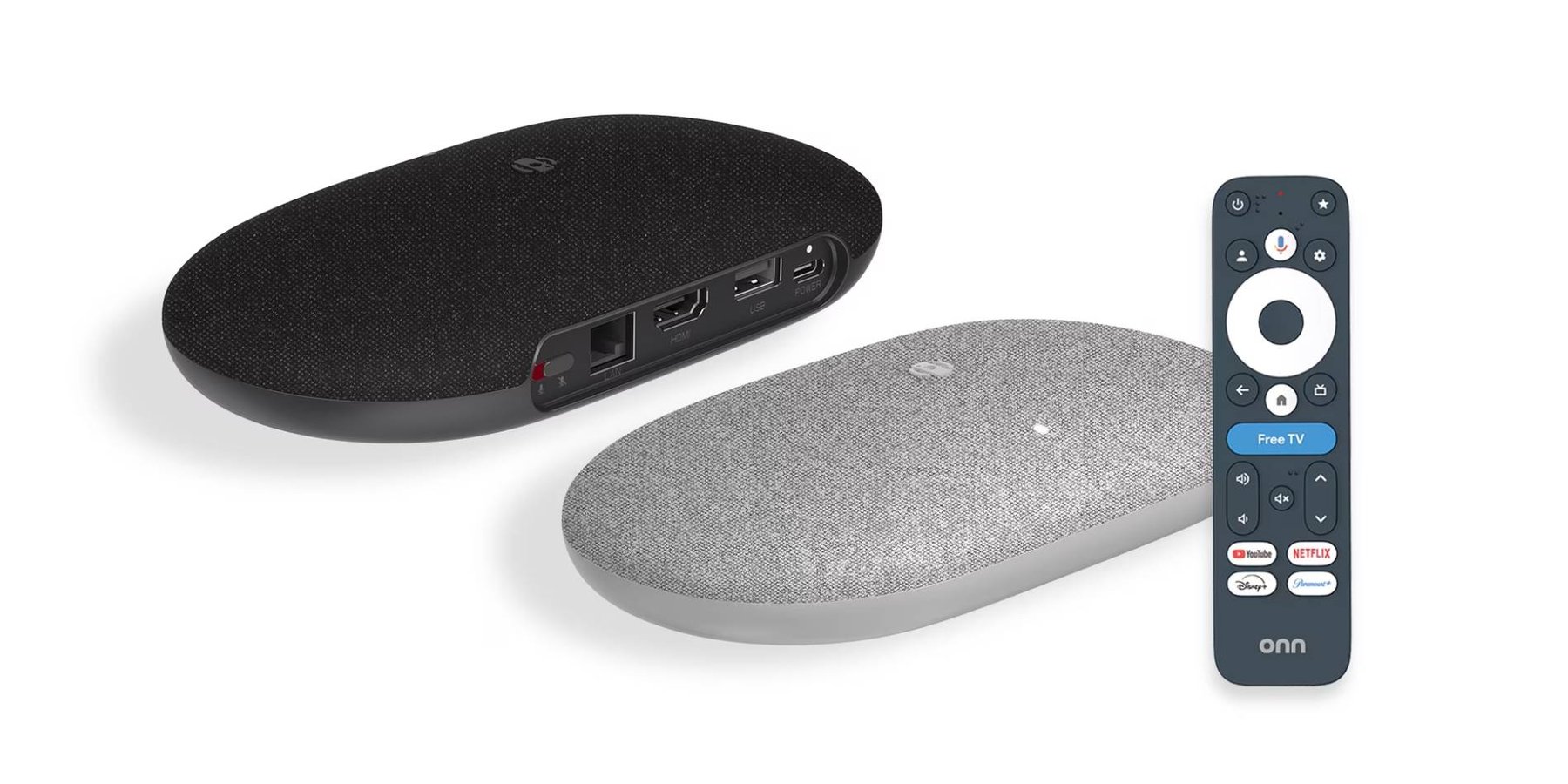
Roku’s 37 percent position is not threatened in the near term. The company has a fifteen-year head start on streaming hardware, the deepest library of free content through The Roku Channel, and a licensing business that places its software on a wide range of third-party television sets. Amazon’s 17 percent reflects both the pull of Prime Video and the company’s aggressive television hardware strategy through Insignia and Amazon Basics sets at Best Buy.
Where the Hub Research report leaves more questions than answers is in the competitive dynamics one layer down. Both Roku and Amazon have built advertising businesses on top of their streaming platforms, using viewing data to target campaigns and selling those audiences to media buyers. Google’s data infrastructure is arguably the best-suited in the industry for that play. Google TV’s advertising platform has not attracted the same public attention as its search and YouTube businesses. Whether that is by design or reflects a gap in execution is not clear from the outside.
The rise of free ad-supported streaming is also a complicating variable for all three platforms. The fastest-growing segment of connected TV viewing is not subscription video. It is free live TV apps and FAST channels, which run on every major platform. When Tubi and Pluto TV are available on Roku, Fire TV, and Google TV alike, the practical difference between platforms for the viewer who watches free content narrows significantly.
The Hub Research figure covers installed base rather than new sales, where the composition may look different. Streaming hardware sales have been declining as smart TVs with built-in platforms absorb the market that external sticks and boxes once occupied. How that shift plays out will partly determine whether Google TV can consolidate or grow its third-place standing, or whether the platform’s position reflects a hardware cycle that is passing. The Fire TV strategy pivot toward locking down sideloading suggests Amazon is making similar calculations about retaining its position as the hardware-to-software transition accelerates.
Google TV is, by the survey’s numbers, a significant platform in U.S. living rooms. Whether it can translate that installed base into the advertising revenue and content leverage that Roku and Amazon have built is a different question, and one the data does not yet answer.