
NEW YORK – The cable bill the average American household pays is now above $100 a month, according to Leichtman Research Group’s 2025 pay-TV price tracker. The phone in that household’s pocket is almost certainly running apps that could replace most of what that bill covers, at no cost, with no credit card required. Most people have no idea.
The free ad-supported streaming television market, known in the industry as FAST, has been building quietly for the better part of a decade. What changed in 2025 was not the technology. It was a single broadcast that settled an argument the industry had been having with itself, about whether free streaming could handle the kind of audience that defines cultural relevance in America.
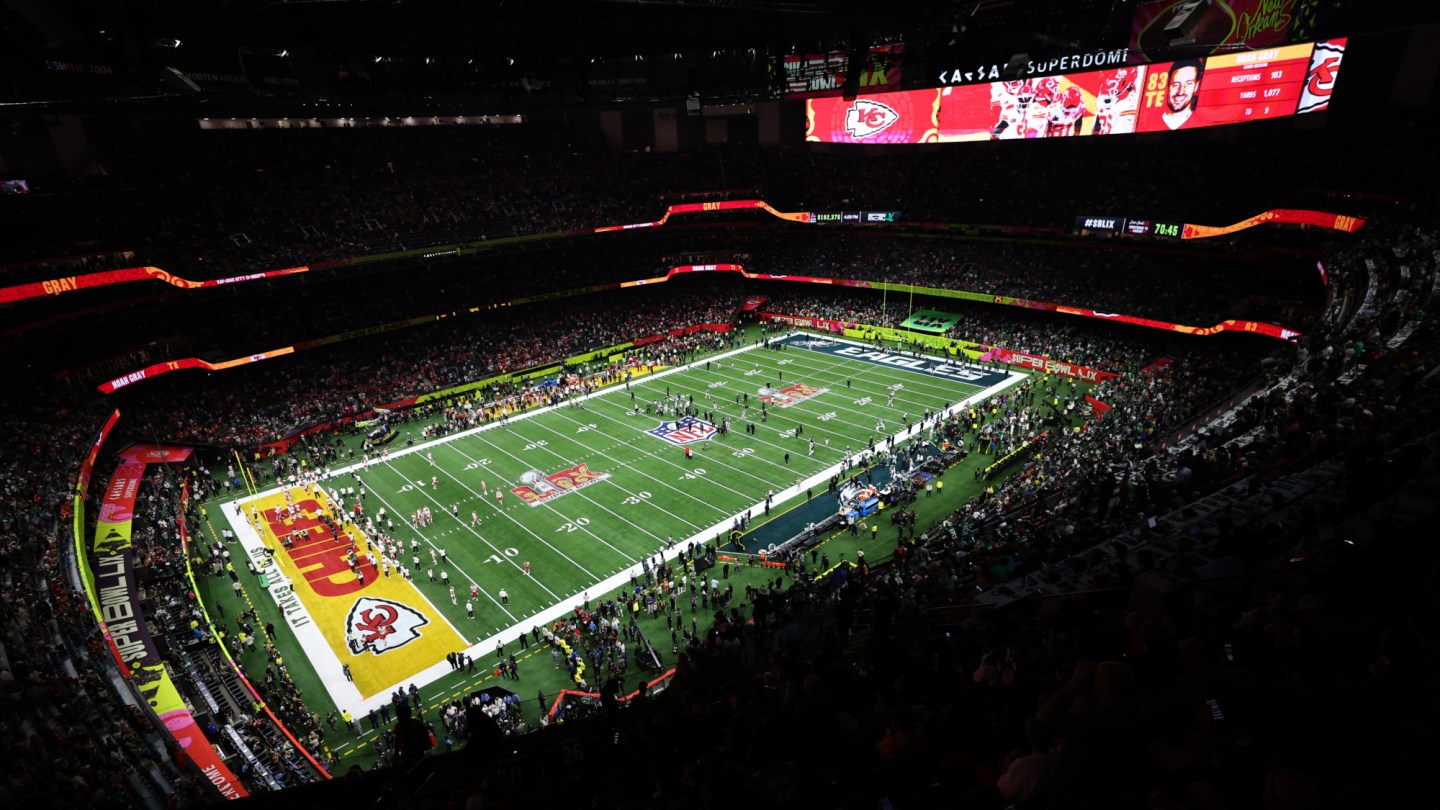
On February 9, 2025, Fox Corporation handed Tubi the rights to stream Super Bowl LIX, the most-watched event in American television, entirely free and with no subscription required. The platform reached 15.5 million peak concurrent viewers and a 13.6 million average-minute audience, figures Tubi reported in announcing the most-streamed Super Bowl in the sport’s history. That number is not a rounding error. It is a statement about where the audience has gone, and how little it now costs to reach it.
Anjali Sud, Tubi’s chief executive, described the moment as a watershed, not just for her company but for what free streaming could credibly claim to be. The argument used to be that FAST was a fallback for people who could not afford better. It is now a mainstream choice. The Hollywood Reporter put Tubi’s user base at 97 million monthly active users, a scale that has nothing to do with price.
None of which explains why so few people know what is sitting on their phones. What follows is a guide to the apps that have quietly become the most consequential development in American television since the introduction of cable, and what each one actually delivers.
Tubi is the deepest library play. Fox Corporation’s flagship free service pairs more than 275,000 on-demand titles with 260 live channels, a number that by any measure dwarfs what most cable subscribers actually watch at any given moment. Its sports catalogue now includes dedicated channels for the NFL, NBA, MLB, NHL, NASCAR, UFC, and PGA Tour, and the platform is simulcasting two FIFA World Cup 2026 group-stage matches in 4K this month, including the United States against Paraguay on June 12. No login needed for most of the content. No credit card, ever.
The catch with Tubi, if there is one, is that live channel selection runs narrower than its on-demand library suggests. It is the right app if what you want is a vast catalogue of films and television shows, with live channels as a secondary benefit. For those who want the cable experience, flipping between live channels with a grid guide, a different app does that better.

Pluto TV is where to go for the channel-surfing experience. Owned by Paramount Global, it offers more than 250 live channels organized into a traditional cable-style grid, with no account required to start watching, no form to fill, no email address to surrender. It streams CBS News, CNN, NBC, and MSNBC in versions that mirror what you would find on those networks’ own streaming pages. The Paramount Skydance library that arrived after the companies’ 2024 merger has deepened the on-demand catalogue further. For news, sports-adjacent programming, and the kind of passive channel browsing that cable once made effortless, Pluto TV is the closest free equivalent the market has produced.
There is a significant caveat to Pluto’s news channels. What appears as CNN or MSNBC on Pluto is not the same feed you would get on cable. It replicates the free streaming version each network publishes independently, which may run on a time delay for certain programming. Live breaking news works. The specific 8 p.m. cable lineup does not.
Sling Freestream is the broadest pure live-TV option on this list, and almost no one outside the cord-cutting community has heard of it. Sling TV, the paid live-television service that competes with YouTube TV and Hulu + Live TV, runs a permanently free tier called Freestream that carries more than 650 live channels and 41,000 on-demand titles. No paid Sling subscription required, no trial period that converts into a charge. The channel count exceeds what most cable packages offer by a significant margin. It works on iOS, Android, smart TVs, and streaming sticks. A free account unlocks cloud DVR access.
Heavy sports fans will run into Freestream’s wall quickly. Live ESPN, regional sports networks, and NFL Sunday Ticket are not here. Those remain behind paid subscriptions. But for news, entertainment, and the structural experience of having too many channels to pick from, Freestream delivers the closest approximation of cable that free streaming has yet produced. It is, by channel count, the most surprising thing in this space that most people have never installed.
Plex operates in a different register from the others. It started as a media server for people who stored their own film collections, and it still does that, but its free live TV tier now offers more than 500 channels across news, entertainment, and lifestyle categories, available on every major platform without a Plex media server of your own. Among the ad-supported services, Plex runs the lightest commercial load, which is a meaningful distinction when you are trying to watch a documentary or a longer news programme. It is also available in more countries than most of its competitors, which makes it the only app on this list with genuine utility for travellers or households with people from multiple regions.
As Amazon’s Fire TV has shifted its strategy away from sideloading and toward curated app ecosystems, FAST services have benefited directly. Pluto TV, Tubi, and Plex are all featured prominently in the native live TV sections of major streaming devices. The mobile experience has followed, and all four apps rank in the top tiers of their respective app store categories for streaming.
The question that remains unanswered in the FAST category is sports. The Super Bowl proved that a single tentpole event can be handled at scale. Tubi’s Thanksgiving game last season and its FIFA World Cup simulcasts this summer suggest a more regular cadence is developing. But live ESPN, regional sports networks, and most playoff broadcasts remain behind paywalls. For fans of NBA and NHL postseason play who are not yet ready to pay for a full live TV package, the gap is real and the free services do not yet close it.
Google, meanwhile, is integrating Pluto TV and other FAST services directly into the Live tab of its Google TV platform, which now runs Gemini AI to surface recommendations across free and paid services simultaneously. The practical consequence is that a viewer on a Google TV device, or on Android, is increasingly served free channel options alongside Netflix and Disney+ without having to know the app exists. The phone is, increasingly, where the audience discovers this.
Leichtman Research Group’s cable-price data implies that households replacing their pay-TV bill with a combination of free apps and a one-time over-the-air antenna purchase save approximately $1,000 per year. The antenna covers local ABC, NBC, CBS, Fox, and PBS affiliates in HD, the one category the FAST apps cannot fully replace. The free apps handle everything else. What is not yet clear is whether the television industry’s rights infrastructure will allow the free tier to expand into premium live sports at the speed the audience is moving.
Tubi’s CEO said after the Super Bowl that the company started as a scrappy underdog in streaming. That framing no longer fits. What it has become is the most-watched free streaming service in America, the one that a third of the Super Bowl’s streaming audience chose, alongside the 127.7 million who watched the game across all platforms. The underdog that broadcast a Super Bowl is not quite an underdog anymore. What the audience does with that next is the question the FAST industry is now trying to answer.
Related Posts