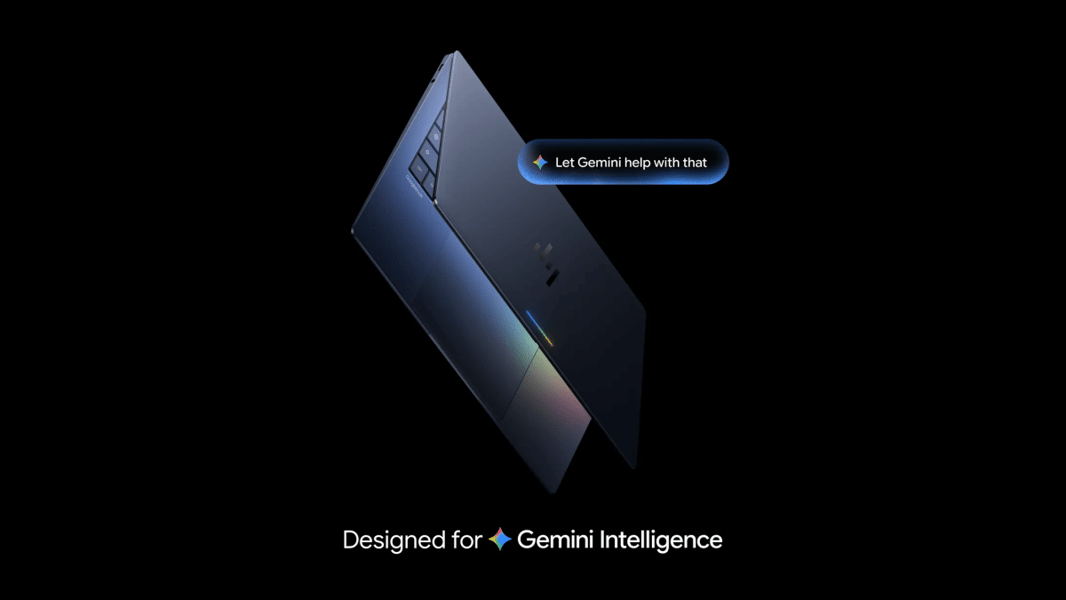

MOUNTAIN VIEW — Four months of renders and roadmap slides gave way to something more consequential on Monday morning: you can actually buy a Googlebook now.
Pre-orders opened at 9 a.m. ET across the Google Store, Best Buy, and a handful of other retailers, with shipments from five OEM partners scheduled to reach U.S. buyers on October 4 and reach Canada, the United Kingdom, Ireland, France, Germany, and Australia a day later. Starting prices begin at $899, putting the first wave of Google’s Gemini-powered laptop line at the upper end of the mainstream market, above most Chromebooks, competitive with mid-range Copilot+ machines, and within reach of Apple’s MacBook Neo.
The laptops run AluminiumOS, Google’s Android 17-based desktop operating system that the company unveiled at the Google Android Show in May. AluminiumOS is designed to sync immediately with an Android phone on first login, treat the phone’s apps as native, and keep the device’s AI stack always running locally. Unlike most AI laptop features that offload to the cloud, Gemini on Googlebook operates on-device through dedicated NPUs delivering a minimum of 45 TOPS of processing power.
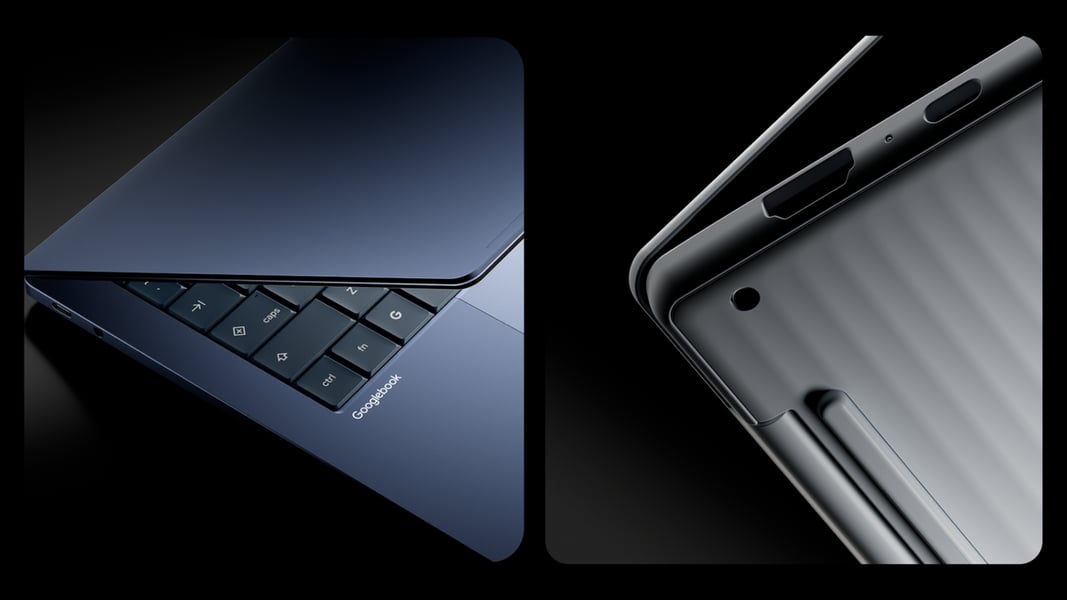
Five OEM partners are building the first generation: Acer, ASUS, Dell, HP, and Lenovo. Acer’s entry is a 14-inch convertible 2-in-1, the form factor most likely to capture upgrades from Chromebook users. Dell is targeting the thin-and-light crowd with a 12.7mm chassis weighing 2.22 pounds. ASUS is going further on the knife-edge aesthetic. Lenovo rounds things out with a 15.3-inch screen for buyers who want screen real estate over portability. Every device ships with either an Intel Panther Lake Core Ultra 3 or a Snapdragon X Elite variant, along with at least 16GB of RAM and displays ranging from 2.8K to 3K OLED resolution.
The feature Google spent the most time demonstrating is called Magic Pointer. Wiggle the cursor without clicking and Gemini Intelligence surfaces contextual suggestions based on what is underneath it at that moment: a price comparison over a product image, a calendar suggestion near a date, a translation when the text is in another language. It is simultaneously the most impressive demo of ambient AI Google has shipped and the feature most likely to become something people disable within a week of unboxing. Whether Magic Pointer is a genuine productivity gain or a clever trade-show trick will not be clear until reviewers have spent real time with these machines.
The software bundle packaged with each purchase makes the price easier to consider. Every Googlebook comes with 12 months of Google AI Pro, which includes 5TB of cloud storage and the full Gemini Advanced tools suite. Add three months of YouTube Premium, three months of Adobe Photoshop, and a complimentary year of GeForce NOW for cloud gaming. Google is, in effect, underwriting the cost of switching through subscription credits. That is a meaningful sweetener at $899, but it also suggests the hardware cannot yet close the deal on its own.
What nobody can yet confirm is whether that bet holds in daily use. Battery life claims of 14-plus hours are standard for this class of machine, but AI-intensive workloads tend to compress those numbers. The reviews scheduled around the October 4 ship date will tell the story today’s pre-order launch cannot: whether Googlebook actually changes the way people work, or whether it is simply a well-configured laptop with a chatbot built in.
The pre-order window also marks the most decisive moment yet for Google’s relationship with the Chromebook era. Google has been careful not to call Googlebook a Chromebook replacement, but the overlap in target user is obvious: someone who lives in Google’s ecosystem, values battery life and lightness, and does not need Windows applications. A second wave of devices is expected in early 2027, though no OEM partners or specs have been confirmed for that round.
The first Googlebooks ship October 4 in the U.S. and October 5 internationally. Whether the $899 entry price holds once trade-in promotions and retailer deals emerge, and whether the AI features deliver on the promise rather than the demo, are both questions only the first weeks of real-world use can settle. At this price, Google’s wager is expensive and unproven, which makes Monday’s pre-order launch feel less like a conclusion than a very public opening move.