
Googlebook is emerging as one of the most significant shifts in the personal computing industry in over a decade, as Qualcomm confirms that Snapdragon-powered devices will officially launch this fall, marking Google’s bold entry into the AI-first premium laptop market.
The announcement confirms that Snapdragon-powered Googlebook devices will enter production with support from Qualcomm’s latest PC-focused silicon lineup, positioning the platform as a direct competitor to Apple’s MacBook ecosystem and Microsoft’s Windows-based AI laptops. The devices are expected to arrive in fall 2026 with support from major OEM partners including Acer, ASUS, Dell, HP, and Lenovo.
Googlebook represents a fundamental evolution from the traditional Chromebook strategy, shifting away from lightweight browser-based computing toward a full desktop-class AI operating system experience. This new direction is documented in early platform analysis of Google’s long-term desktop ambitions, which highlight a deeper integration between Android, ChromeOS foundations, and Gemini AI services.
Googlebook ChromeOS desktop Gemini AI laptops analysis
A major shift beyond Chromebooks
For over a decade, Chromebooks defined Google’s footprint in the laptop industry through affordability and cloud-first design. Googlebook, however, changes that direction by introducing a premium computing layer designed for performance, productivity, and artificial intelligence.
Google Android Gemini intelligence AI ecosystem expansion
Snapdragon X platform is at the center of this transition, delivering high-efficiency computing performance designed for AI workloads, long battery life, and always-connected laptop experiences. Qualcomm’s push into AI computing marks a strategic shift in the PC industry, where ARM-based processors are increasingly competing with traditional x86 architectures.
According to Qualcomm’s Snapdragon platform documentation, the chips are built specifically for next-generation AI PCs, supporting advanced on-device intelligence and hybrid computing workloads.
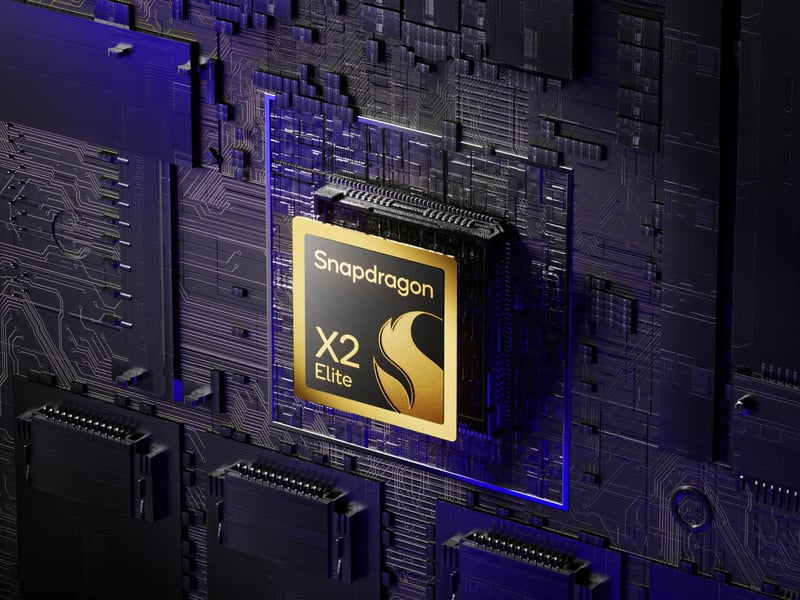
Snapdragon X Elite AI PC platform by Qualcomm.
AI becomes the core of the laptop experience
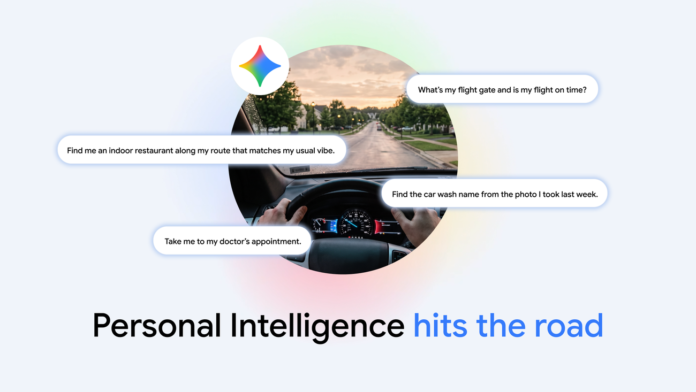
AI is no longer an optional feature layered on top of operating systems. Googlebook is designed around Gemini intelligence, enabling contextual actions, predictive workflows, and adaptive user interfaces that respond dynamically to user behavior.
The AI-first approach is reinforced through Google’s broader artificial intelligence ecosystem, which connects cloud models with on-device processing to create a unified computing layer.
Google AI Gemini computing framework
Deep Android integration reshapes PC expectations
A key advantage of Googlebook is its deep integration with the Android ecosystem. Users will be able to run Android applications natively, sync data across devices, and transition between mobile and desktop environments without friction.
This positions Googlebook as a potential bridge between mobile-first computing and traditional desktop systems, challenging long-standing boundaries between smartphone and PC ecosystems.
Competitive pressure on Apple and Microsoft
The launch of Googlebook places immediate competitive pressure on Apple and Microsoft. Apple continues to dominate the premium laptop market through its MacBook lineup and Apple Silicon architecture.
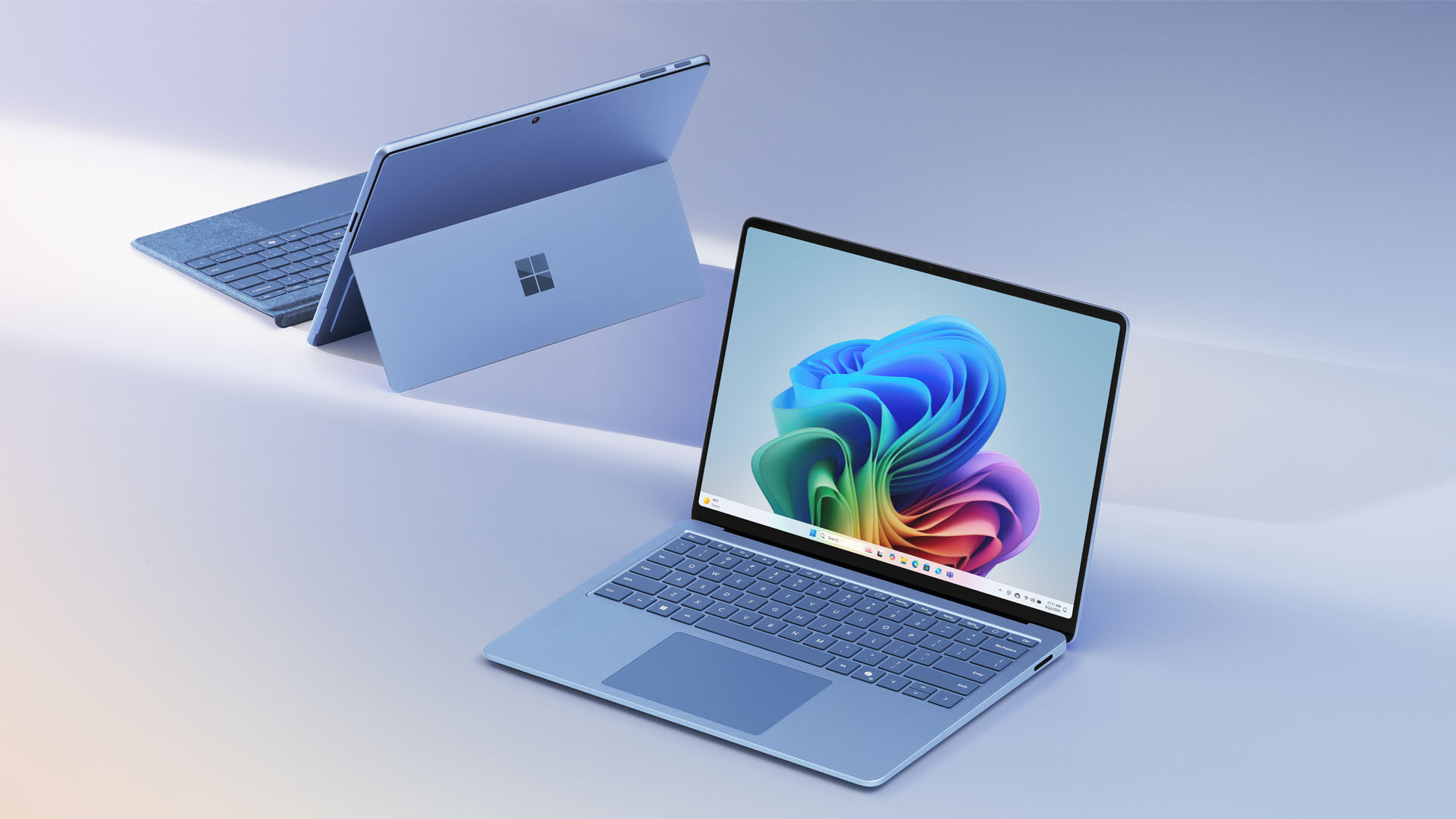
Meanwhile, Microsoft is accelerating its AI PC strategy through Windows integration and Copilot features, positioning Windows as a productivity-centric AI operating system.
Googlebook enters this competitive field with a fundamentally different approach, focusing on AI-native computing rather than incremental operating system upgrades.
Market outlook and future implications
Industry analysts expect Googlebook devices to redefine expectations for laptop computing, particularly in the premium segment. Early pricing indications suggest positioning in the high-end consumer and enterprise market, competing directly with MacBook Air, MacBook Pro, and premium Windows AI laptops.
If successful, Googlebook could accelerate the shift toward AI-first computing, where operating systems evolve into intelligent assistants rather than static software environments. This transformation would mark one of the most significant disruptions in the PC industry in decades.
The broader impact of this transition will depend on developer adoption, hardware optimization, and how effectively Google integrates Gemini AI into everyday productivity workflows across devices.