
The New York Times has introduced a new interactive feature under its Well platform titled the 90s Nostalgia Summer Challenge, reflecting a growing shift in how media organizations are blending wellness journalism, behavioral psychology, and cultural memory into structured digital experiences.
The initiative arrives at a moment when global audiences are increasingly engaging with digital wellness trends as concerns about screen fatigue, attention fragmentation, and constant connectivity continue to rise. Instead of presenting nostalgia as a purely emotional sentiment, the NYT framework transforms it into a structured set of behavioral prompts designed to influence daily routines.
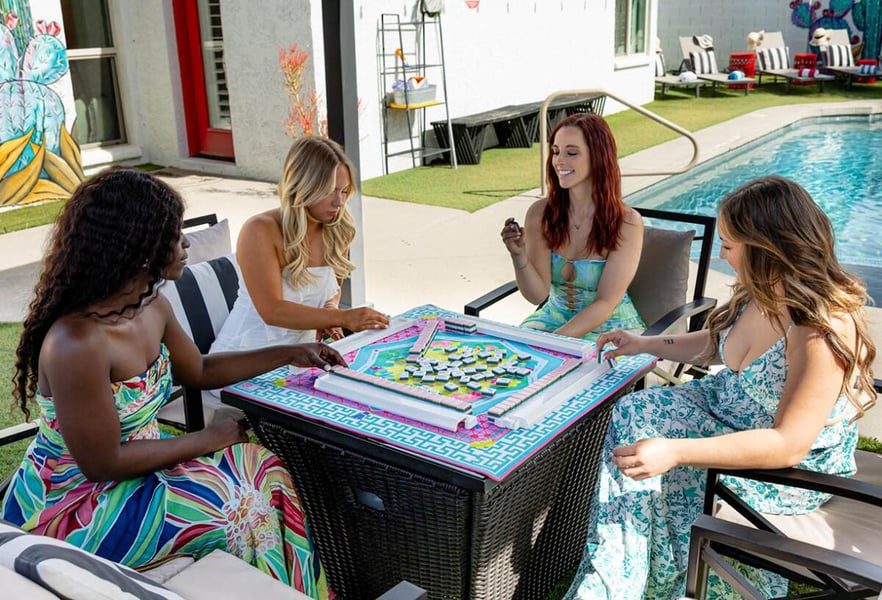
At the center of the challenge is a return to elements associated with 1990s childhood summers, a period widely remembered for unstructured outdoor activity, limited screen exposure, and greater independence in daily life. These ideas align closely with broader nostalgia-based wellness trends, which have gained traction across social media, lifestyle publishing, and mental health discussions.
The popularity of this concept is closely tied to what researchers describe as modern digital behavior patterns, where individuals are constantly exposed to notifications, algorithm-driven content, and continuous online engagement. This environment has contributed to rising discussions around cognitive overload and reduced attention span.
Academic research into psychological benefits of nostalgia suggests that recalling positive past experiences can improve emotional regulation, increase feelings of social connectedness, and provide a sense of identity continuity. These findings help explain why 1990s-inspired lifestyle challenges resonate strongly with both younger and older demographics.
The NYT initiative also intersects with growing scientific interest in digital fatigue and attention overload, a field examining how prolonged screen exposure affects cognitive performance, emotional stability, and sleep cycles. Studies in this area indicate that structured breaks from digital environments can improve focus and reduce stress levels.
Research into the effects of digital detox on the brain further supports the idea that temporary disconnection from screens may help restore attentional balance and reduce mental exhaustion. While findings vary depending on duration and context, most studies agree that reduced digital stimulation can have measurable psychological benefits.
Cultural analysts also point to the rise of 90s nostalgia in modern culture as a defining feature of contemporary media consumption. From fashion to entertainment to lifestyle branding, the aesthetic and emotional cues of the 1990s have become a recurring reference point in digital storytelling.
The wellness industry has responded accordingly, with broader digital wellness movement trends increasingly emphasizing mindfulness, analog habits, and intentional disconnection from technology. These movements position nostalgia not as escapism but as a practical framework for behavioral reset.
However, experts caution against idealizing the past without context. While nostalgia can provide emotional comfort, it does not fully reflect the structural and technological realities of modern life. Responsibilities around work, education, and safety have evolved significantly since the 1990s, making direct comparison complex.
Research on nostalgia and subjective wellbeing indicates that its benefits are most effective when combined with present-focused awareness. In other words, nostalgia works best as a tool for reflection rather than as a blueprint for lifestyle replication.
The NYT’s approach stands out because it reframes nostalgia as an interactive wellness system rather than a passive cultural reference. By encouraging users to engage with memory as a form of behavioral design, the challenge bridges journalism, psychology, and digital habit formation.
This shift also reflects broader transformations in media consumption, where audiences increasingly expect participatory experiences rather than static articles. Interactive formats like the 90s Nostalgia Summer Challenge are designed to increase engagement while also delivering behavioral value.
As summer 2026 progresses, interest in nostalgia-driven wellness is expected to grow further, particularly as individuals continue searching for balance between digital engagement and offline presence. Whether this trend represents a temporary cultural cycle or a long-term behavioral shift remains uncertain, but its current momentum suggests it will remain a defining feature of wellness discourse in the near future.