
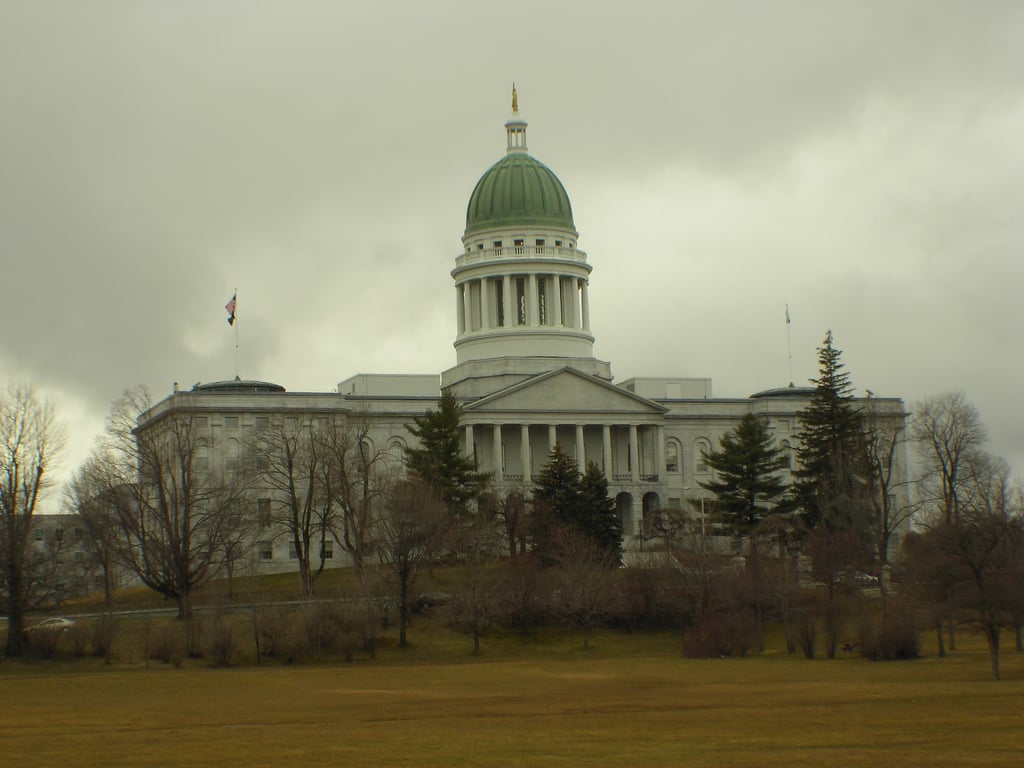
AUGUSTA, Maine — Three Native American nations in Maine are about to become online casino operators, not revenue recipients. That distinction goes to the core of what tribal sovereignty means in the digital age.
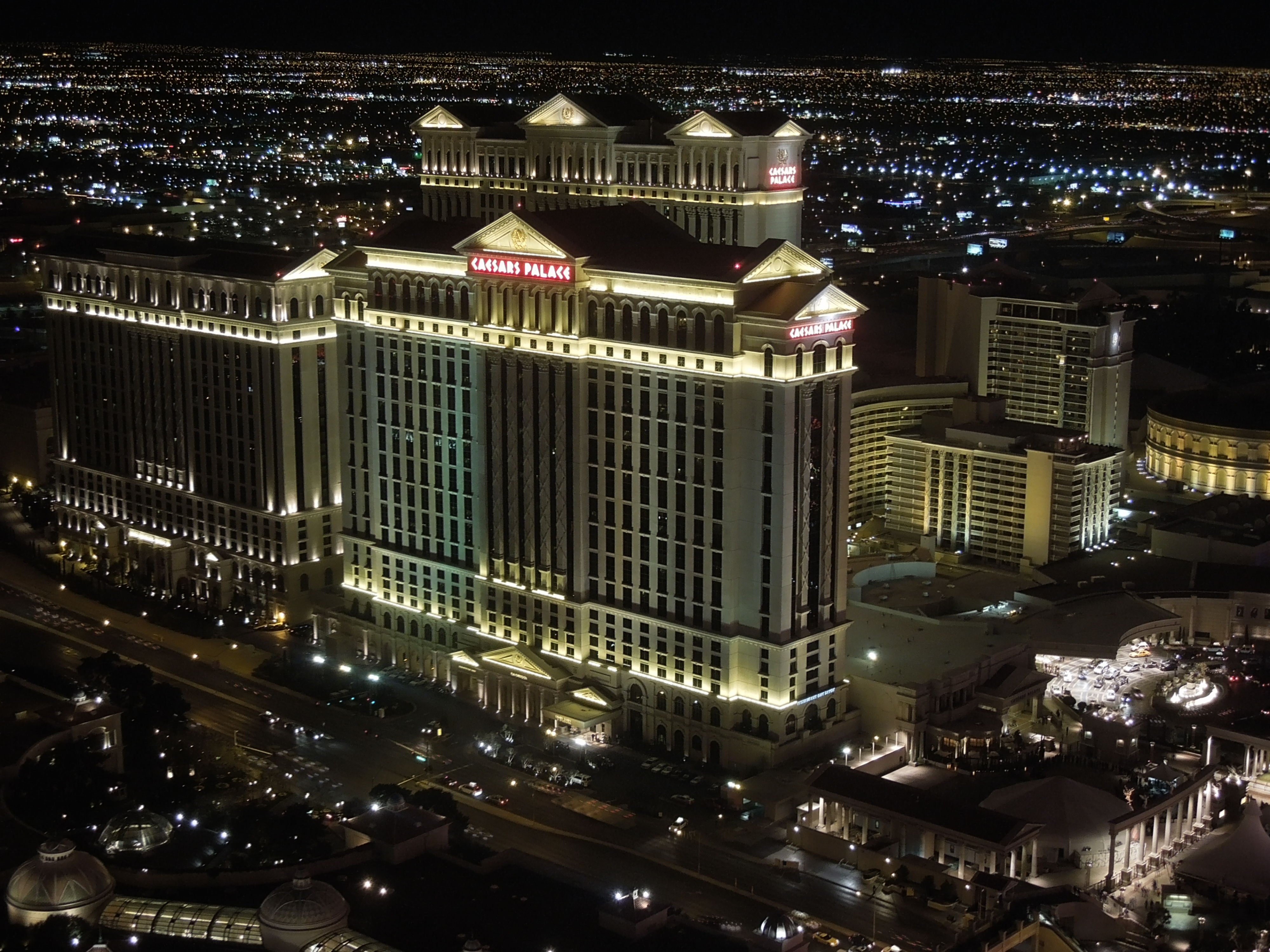
Caesars Entertainment announced Tuesday a partnership with the Penobscot Nation, the Mi’kmaq Nation, and the Houlton Band of Maliseet Indians to build Maine’s first legal online casino platforms, capitalizing on a state law that reserves iGaming licenses exclusively for Maine’s four federally recognized tribes. The announcement extends an existing sports wagering relationship between Caesars and the three nations into online casino gaming, with three Caesars brands planned: Caesars Palace Online Casino, Caesars Sportsbook & Casino, and Horseshoe Online Casino.
Maine’s law, LD 1164, was signed by Governor Janet Mills on January 9 and is structured so the tribes, not the commercial operators, hold the licenses. Caesars functions as a technology and marketing partner. That structure makes the Wabanaki Nations the legal operators of any platform that emerges, a reversal of how most US online gaming markets work.
Chief Kirk Francis of the Penobscot Nation said the arrangement builds on a foundation of mutual respect established during the sports wagering phase. The tribe’s prior work with Caesars, he said, “demonstrated the value of aligning with a partner that respects our sovereignty, understands our communities and is committed to long-term success for the Wabanaki Nations.”
The fourth federally recognized tribe in Maine, the Passamaquoddy, has struck a separate partnership with DraftKings. At launch, Maine’s entire legal online gaming market will be split between a Caesars-backed Wabanaki coalition and DraftKings’ Passamaquoddy alliance, a market structure without close parallel among the 38 states that have legalized online wagering since 2018.
Chief Sheila McCormack of the Mi’kmaq Nation said expanding into online casino gaming “allows us to continue creating economic opportunities for our people while ensuring that any future platform is developed in a responsible, well-regulated manner that benefits the tribes and the state.”
For the Houlton Band of Maliseet Indians, the impetus is direct. Internet gaming revenues, said Chief Clarissa Sabattis, “will provide our tribal government with a more secure, long-term source of revenue that will help us provide essential services and make critical investments in community infrastructure.”
In most US states with legal online gaming, commercial operators hold state-issued licenses and pay a revenue percentage to the state. Tribes in those states sometimes serve as retail sportsbook hosts or marketing partners, but they rarely hold the license. Maine’s design inverts that model deliberately: the tribe is the operator of record, the commercial partner the vendor.
Whether that inversion translates into meaningfully greater revenue for the Wabanaki Nations depends partly on the terms of the Caesars agreement, which neither party disclosed. Analysts at Eilers & Krejcik Gaming have estimated the Maine market could generate as much as $95 million in gross gaming revenue in its first full year, with roughly $19 million flowing to the state as tax receipts.
Eric Hession, president of Caesars Digital, called the expansion a natural progression of a relationship built on more than transactional terms. “Together, we’ve built a strong and responsible sports wagering experience,” he said, adding that the next phase “reinforces our commitment to our tribal partners and to delivering a differentiated, localized digital gaming experience for Mainers.”
Maine’s law takes effect July 29, but the Maine Gambling Control Unit is still finalizing licensing regulations. Actual platform launches are expected in late 2026 or early 2027, meaning the Caesars and DraftKings products will not be available to consumers for several more months.
The deal arrives as gambling’s legal perimeter is being contested in courts and regulatory offices across the country. The CFTC sued Kentucky in federal court on June 23 to block the state from treating prediction markets operated by Kalshi and Polymarket as illegal gambling, marking the first Republican-led state to face a federal derivatives challenge on that question. Pennsylvania’s Supreme Court separately ruled that approximately 70,000 skill game machines operating in bars and convenience stores across the state were illegal, threatening the state budget’s projected gambling revenues.
Maine’s approach sidesteps most of those conflicts by anchoring the licensing framework in tribal sovereignty rather than state-issued commercial licenses. The unresolved question is whether the tribal-operator model will produce greater long-term revenue for the Wabanaki Nations than a commercial-license structure. That answer will not come until the platforms are live, the numbers are real, and the comparison states have more years of post-PASPA data to measure against.