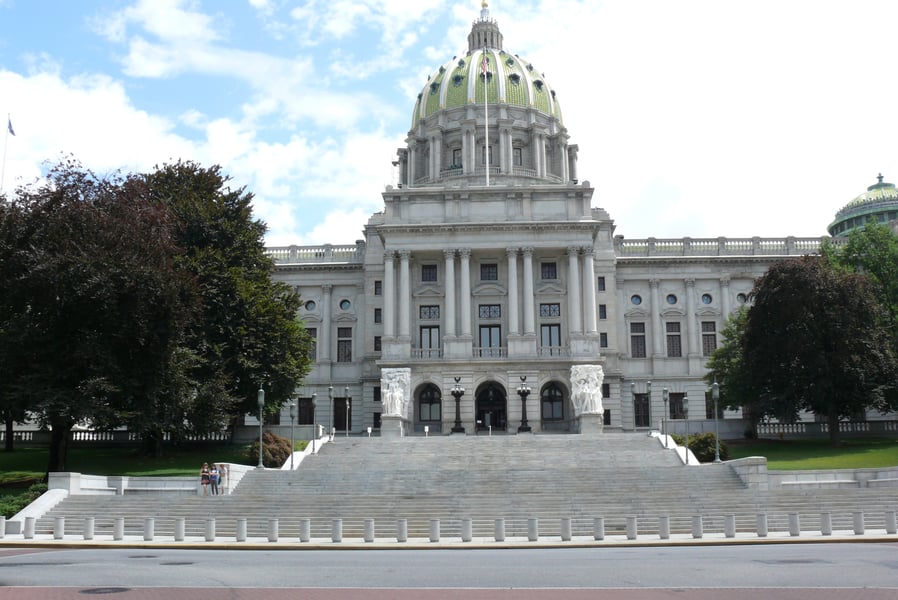

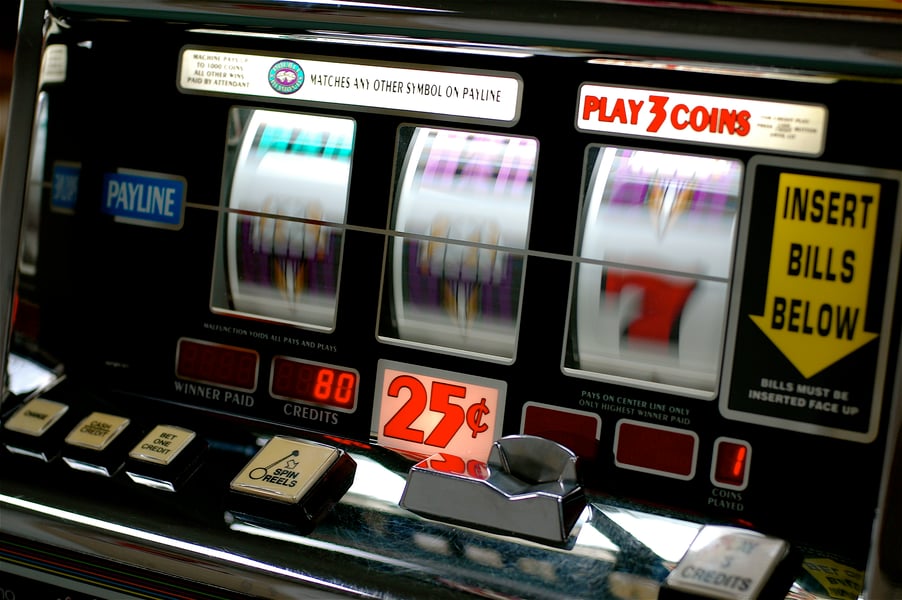
HARRISBURG – The skill game terminal had been sitting in the corner of the VFW Post on the south side of Lancaster for three years, generating enough in weekly payouts to cover the bar’s refrigeration repairs and contribute toward the annual veterans’ banquet. On June 15, the Pennsylvania Supreme Court called it an illegal slot machine. The bar has five days to figure out what comes next. So does the governor.
The five-to-two ruling, written by Justice David Wecht, resolved a legal dispute that had been working its way through Pennsylvania courts since 2021: whether unregulated gaming terminals that test reaction time operate on skill, as their manufacturers insisted, or on chance, as the state’s licensed casino industry had always argued. The majority held that the machines’ advertised skill elements were insufficient to distinguish them from the slot machines regulated under the Race Horse Development and Gaming Act. Under Pennsylvania law, the distinction is dispositive. You need a license or you don’t have one. Seventy thousand machines across the commonwealth did not have one.
The timing is the complication Governor Josh Shapiro has not yet publicly addressed. His fiscal 2026-2027 budget, due to the legislature by June 30, was built partly on revenue from those machines. The proposal included a 52 percent tax on skill game gross income, projected to generate $765.9 million in the first fiscal year and more than $2 billion annually once the market matured. That number assumed the machines would remain legal and be taxed into the regulatory framework. They will not be staying legal unless the legislature acts in the next 120 days.
Senate Bill 1079, sponsored by Republican Senator Gene Yaw and Democratic Senator Vincent Hughes, would create a framework involving a $500 monthly fee per device, a cap of 50,000 machines statewide, and an estimated annual yield of $300 million to state coffers. The bill has not moved. Republicans who control the state Senate have been unable to assemble the 26 votes required to pass any skill game tax, and the court’s ruling has deepened rather than broken the impasse.
The court did not strip the machines immediately. A 120-day enforcement stay was included in the ruling to give the legislature time to respond. That window, which runs until approximately mid-October, has nothing to do with the budget deadline. It has everything to do with what happens to the 70,000 bar owners, truck stop operators, and fraternal club managers who purchased or leased skill game terminals from licensed distributors under the reasonable assumption that years of state inaction amounted to de facto tolerance. Their machines did not become illegal because they did anything wrong. They became illegal because the court resolved a question the legislature had been avoiding for five years.
Pace-O-Matic, the dominant manufacturer of skill game terminals in Pennsylvania and among the most active advocates for their legalization, described those operators as the “real victims.” The company has argued since the beginning that Pennsylvanians built small businesses around a product that state government allowed to flourish without ever formally approving or banning it. The court’s majority rejected the underlying premise, that the terminals were distinguishable from slot machines, but did not address the reliance problem that argument points to. The dissenting justices did not dispute the outcome; their concern was the breadth of the majority’s reasoning and what it might foreclose for adjacent categories of gaming.
Attorney General Dave Sunday took the opposite view. He called the ruling “a significant victory for consumers, taxpayers, and the rule of law,” framing it as the end of an unregulated gambling operation that had been undercutting the state’s licensed casino industry for years. What Sunday did not address was whether the commonwealth has a plan for the $765 million it will not be collecting from machines that are now, under state law, contraband.
The Pennsylvania Gaming Control Board, which licenses and oversees the state’s 15 casinos, had been one of the most consistent opponents of skill games. The casinos’ argument that the terminals competed directly with licensed slot floors while contributing nothing to state tax revenue was largely what the court accepted. But the board is watching what comes next carefully. A legislature that is short $765 million on its budget math and facing a June 30 deadline looks at every existing revenue source differently. The licensed casino tax rate has not been formally discussed as a lever. That does not mean it will not be.
The full weight of the ruling will not be felt until October. If the legislature cannot agree on a legalization framework before the enforcement stay expires, the Pennsylvania State Police will be legally obligated to begin removing machines from every bar, gas station, and fraternal hall where they sit. Those confiscations will not be administrative paperwork. They will be visible and politically costly in communities that have come to depend on the revenue.
Governor Shapiro’s office has not publicly signaled whether he would accept a lower tax rate in exchange for a deal that preserves some revenue, or hold to the $765 million projection and let the machines go dark in October. His administration’s public position has been that any legalization bill must fund the full budget request. That stance makes a June 30 deal effectively impossible given the current Senate count, and it is no clearer what changes if the deadline passes without one.
Pennsylvania has been here before. The state authorized casino gambling in 2004 after years of legislative resistance and within a decade built one of the largest regulated gaming markets in the country, generating billions in annual tax revenue. The path from impasse to profitable regulation was long and contentious. Whether skill games follow the same arc, or become the rare category of machine gambling the commonwealth chooses to remove from circulation, will be decided in the 113 days between now and mid-October. As the NFL’s response to gambling violations this month demonstrated, institutional tolerance for betting at the margins has hard limits. Pennsylvania just found one of its own.