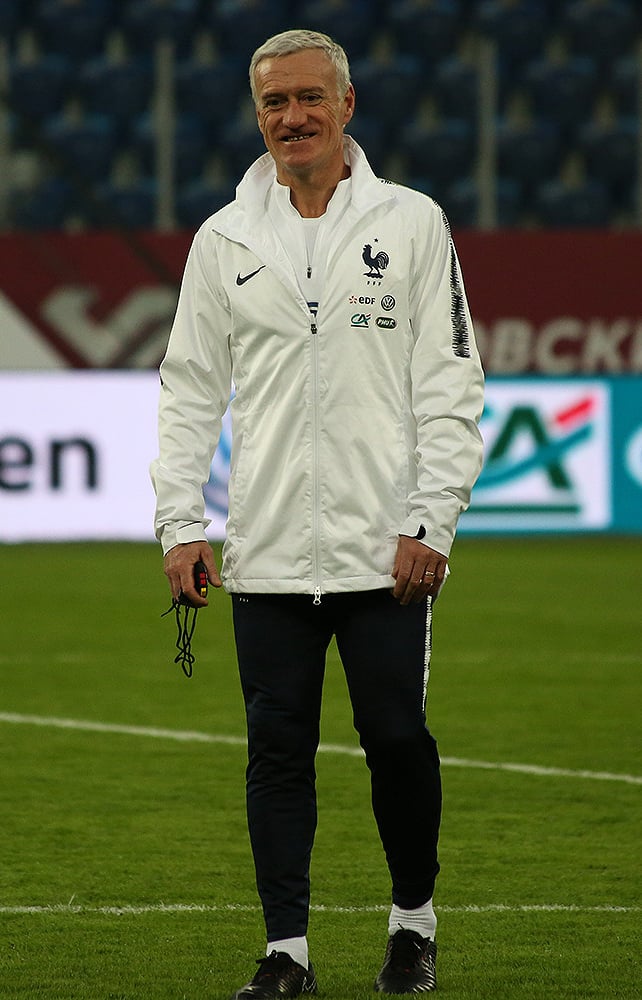

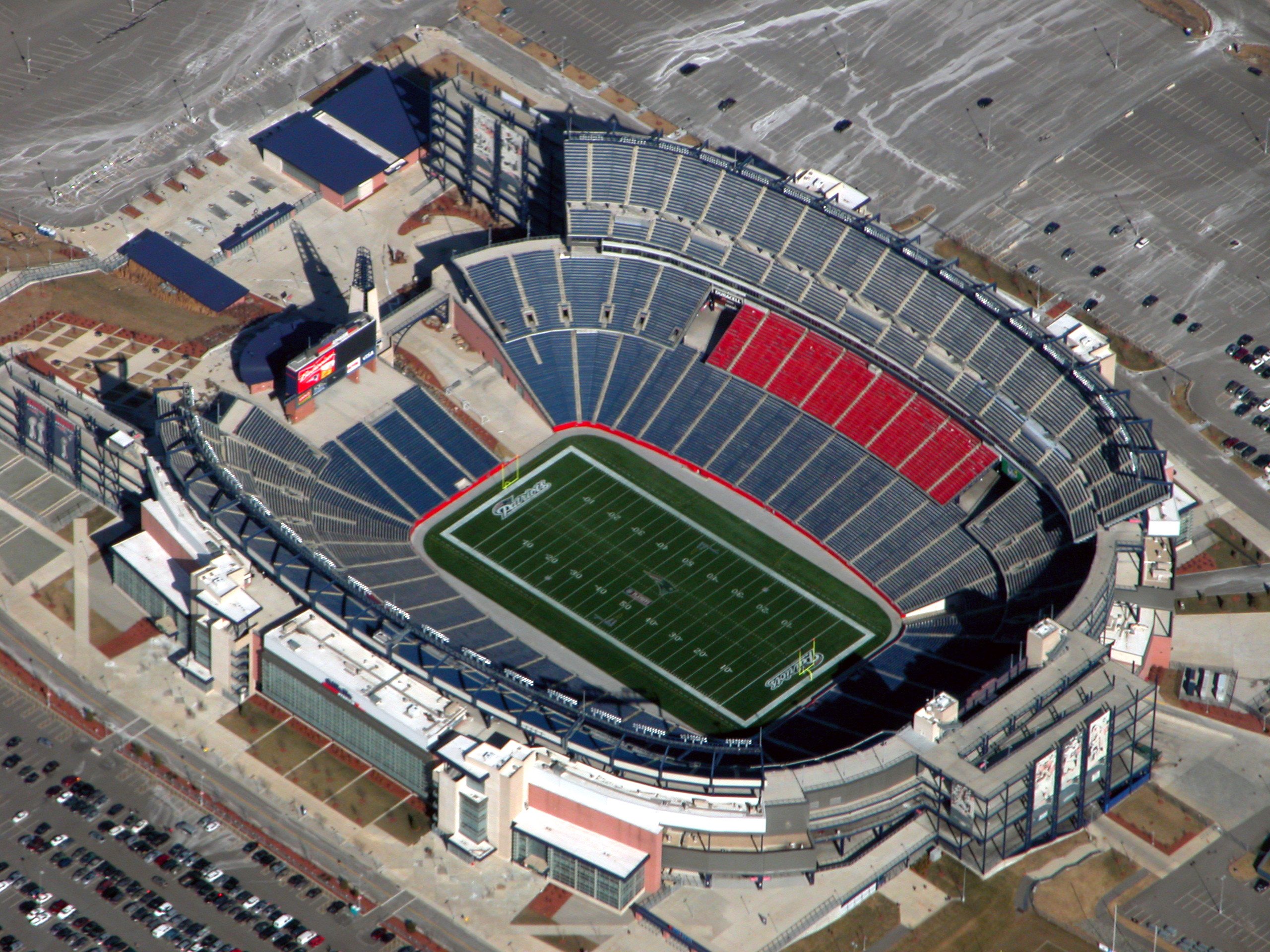
FOXBOROUGH — The Group I final at Gillette Stadium is scheduled for this afternoon, and Didier Deschamps will not be there. He flew home to France after his mother died this week. His assistant Guy Stéphan will run the technical area against Norway instead.
Both teams are already through. France and Norway each have six points from two commanding wins, and the only question this match settles is who finishes first and who meets a Group J opponent from the winner’s side of the bracket rather than the runner-up’s. That is not a trivial distinction. The seeding affects the knockout path into the Round of 32 and beyond. But Deschamps made his calculation and it did not come out in football’s favour.
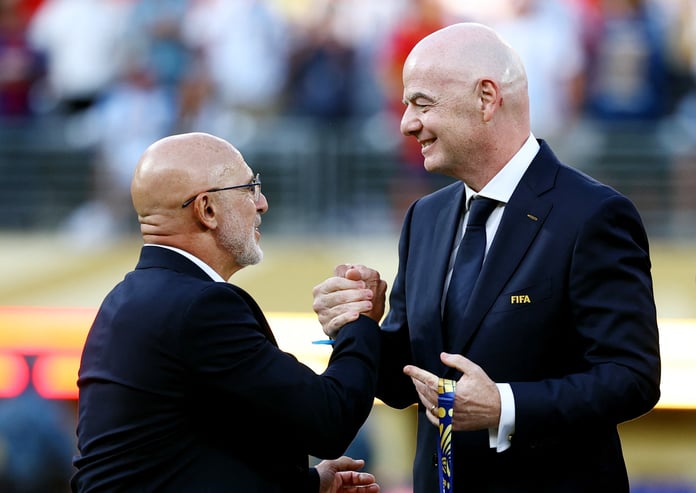
The French Football Federation announced on Wednesday that Deschamps had learned of his mother’s death and would return to France to attend her funeral. He would miss the Norway match. Stéphan, who has been Deschamps’s assistant since 2012, through every camp, every tournament, every qualifying cycle across fourteen years, would take temporary charge of the squad until Deschamps returns before the Round of 32, according to ESPN.
Stéphan is not a stop-gap. He has been part of every France training session, every tactical meeting, every halftime adjustment across Deschamps’s era. Whatever preparation Deschamps ran before flying home is knowledge Stéphan carries into Foxborough today. The squad will recognise the voice in the technical area. That does not make the circumstances ordinary, but it keeps them operationally manageable.
On the other side of the pitch, Erling Haaland will be the problem France’s defenders have spent two weeks preparing for. Norway’s opening two matches, a 4-1 dismantling of Iraq and a 3-2 win that required late resilience against Senegal, established them as a team that uses Haaland’s position in and around the box more efficiently than almost anyone else can. He has not needed to work hard to be dangerous in this tournament. He has only needed to be present, and the defensive shape opposite him has felt the weight of it.
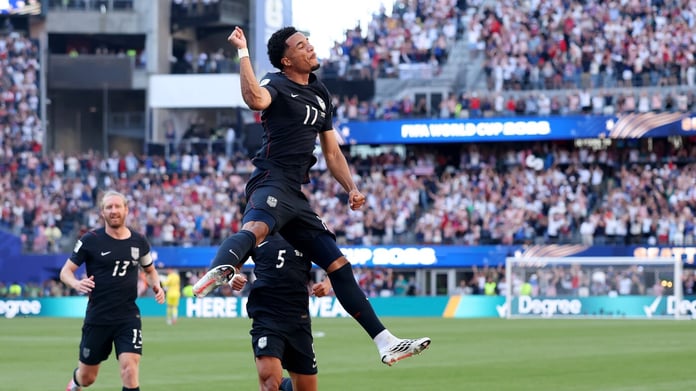
France have not been threatened in their group stage either. Kylian Mbappé, France’s captain and all-time leading scorer with sixty international goals, scored twice against Senegal in a 3-1 win on June 16, confirming what the expectation always was: this is his tournament. Bradley Barcola added the second before Senegal’s substitute pulled one back in stoppage time and Mbappé secured the win with a shot from distance. Against Iraq four days later, France managed 3-0 without being extended. Deschamps, before he flew home, was leaving a team that had not been tested in either of its matches.
That relative ease is part of what made the absence workable. He is not missing a match his team needed him to rescue. He is missing a match both sides expect to control, between two teams whose only real dispute is over who finishes first. What the scoreline does to the bracket draw is real but not an emergency. What brought him home was.
Deschamps is the second person in history to win the World Cup as both a player and a manager, after Franz Beckenbauer. He captained France to the 1998 title, and managed the squad that won it again in Russia in 2018, 4-2 over Croatia. He reached the 2022 final in Qatar too, where France lost to Argentina on penalties after a match that had been level at full time. He announced before this tournament, which is his fourteenth year in charge of the national team, that 2026 will be his last campaign as France manager. Every match carries the weight of a final chapter. He will return for the knockout stage. But the match that sets his bracket will have been played without him, as Yahoo Sports first reported.
What Stéphan cannot offer is Deschamps’s specific reading of a match in real time. Fourteen years of managing the same squad produces a pattern-recognition that accumulates rather than transfers. When Haaland begins to find space in the channel, Deschamps would know within seconds whether the shape needs adjusting or whether the existing instructions cover it. Stéphan may reach the same answer. The speed of the read is different, because the experience of being the person responsible for the decision is different. That gap only surfaces if something goes wrong.
Norway have never met France at a World Cup. Haaland, twenty-five years old, has never played in a knockout match at this level. Mbappé, who was part of the 2018 World Cup-winning squad as a teenager and reached the 2022 final as a finalist, is the one player on the pitch today who knows what it feels like to stand at the centre of the tournament’s highest-pressure moments. The dynamic between them, Haaland’s physicality and positional intelligence against France’s defensive structure, is the tension the match resolves. Not the bracket, and not the seeding. Those are the consequences. The football is what happens first.
The Round of 32 begins on June 28. By then, Deschamps will be back. The group that finishes around him, whether France meet a Group J runner-up or group winner, will have been determined today. On Thursday, Ivory Coast reached the World Cup knockout stage for the first time in their history, while Ecuador ended a twenty-year absence from the knockouts with a 2-1 win over Germany. The final group stage matches across the tournament continue through the weekend, and the full Round of 32 bracket will take shape before the week is out.
What France do not know yet is whether Norway finishes above or below them, and what that means for the first match of the knockouts. What they do know is that the most significant match of their group stage will be managed by the second-most experienced person in their technical area, because the most experienced one had somewhere more important to be.
Related Posts